
Introduction of Best solo travel setup for long-term wanderers?
Long-term travel demands preparation, discipline, and a clear framework. You want to minimize friction while maximizing time in the places that matter. Our approach at trafels.com centers on practical gear choices, smart budgeting, and safety‑first planning that scales with your journey.
Practical gear and budgeting in action
Choose a lightweight packing list that supports multiple climates. For example, rotate two compact outfits, one warm layer, and a versatile jacket. Use a budgeting central hub app to track daily spend and set weekly limits, with a 15 percent buffer for emergencies.
Documentation and safety you can rely on
Digitize key documents and store encrypted backups. Photograph visas, passports, and health cards, then share a secure copy with a trusted contact. Maintain an offline map and a laminated itinerary with local emergency numbers for quick reference.

Design a workflow for risk reduction: scan health insurance details, carry a second payment method, and lock away valuables in a hotel safe or rented locker.
Flexible itineraries that adapt
Plan a core routing with optional side trips that can be dropped if pace quickens or fatigue appears. Build in rest days every seven to ten days, and keep a standby list of low-effort experiences for rough travel days.
- Gear essentials that save space and time
- Safety practices and robust documentation habits
- Smart digital setups for offline reliability
- Flexible itineraries that balance exploration with rest
With these pillars, you can embark on long-term travel with confidence, whether you’re pursuing a gap year, a slow travel arc, or a sustained immersion in a handful of destinations.
1. The Ultimate Lightweight Packing System for Long-Term Solo Travel
Your packing system should minimize weight while maximizing flexibility. Focus on items that perform multiple roles and endure frequent use without wear.
Core wardrobe essentials for versatility and space
Choose a compact, repeatable color palette and high quality basics. Prioritize fabrics that resist wrinkles, dry quickly, and layer well.
- 2 lightweight base layers and 2 midweights for varying climates
- 3 versatile tops that pair with everything
- 1 pair of quick dry trousers or convertible shorts
- 1 compact sweater or fleece and 1 rain shell
- 1 breathable dress or smart casual option (unisex variants)
- 2 pairs of compact underwear and 2 pairs of socks per week, plus quick dry replacements
- 0 formal outfit, 1 adaptable layer for evenings
Packing methodology: roll, layer, and compress
Adopt a triage approach to clothing space. Roll to reduce creases, layer for climate control, and compress with packing cubes.
- Roll garments to fit snugly in cubes and reduce bulk
- Layer by temperature and activity level to minimize changes in luggage
- Compress with lightweight bags to create stable blocks in your pack
Tech and accessories that maximize time on the road
Tech should save time, not add friction. Prioritize devices and gear that endure travel wear and frequent use.
- One universal charger with fast charging capabilities
- Compact power bank and a USB-C PD cable
- Lightweight travel towel and compact toiletry kit
- Mini umbrella, travel adapter, and a small laundry kit
- Anti theft backpack with organizational compartments
2. Personal Safety and Documentation Toolkit for Solo Explorers
Your safety toolkit starts with solid preparation and clear routines. Build habits that protect your information and your person without slowing you down.
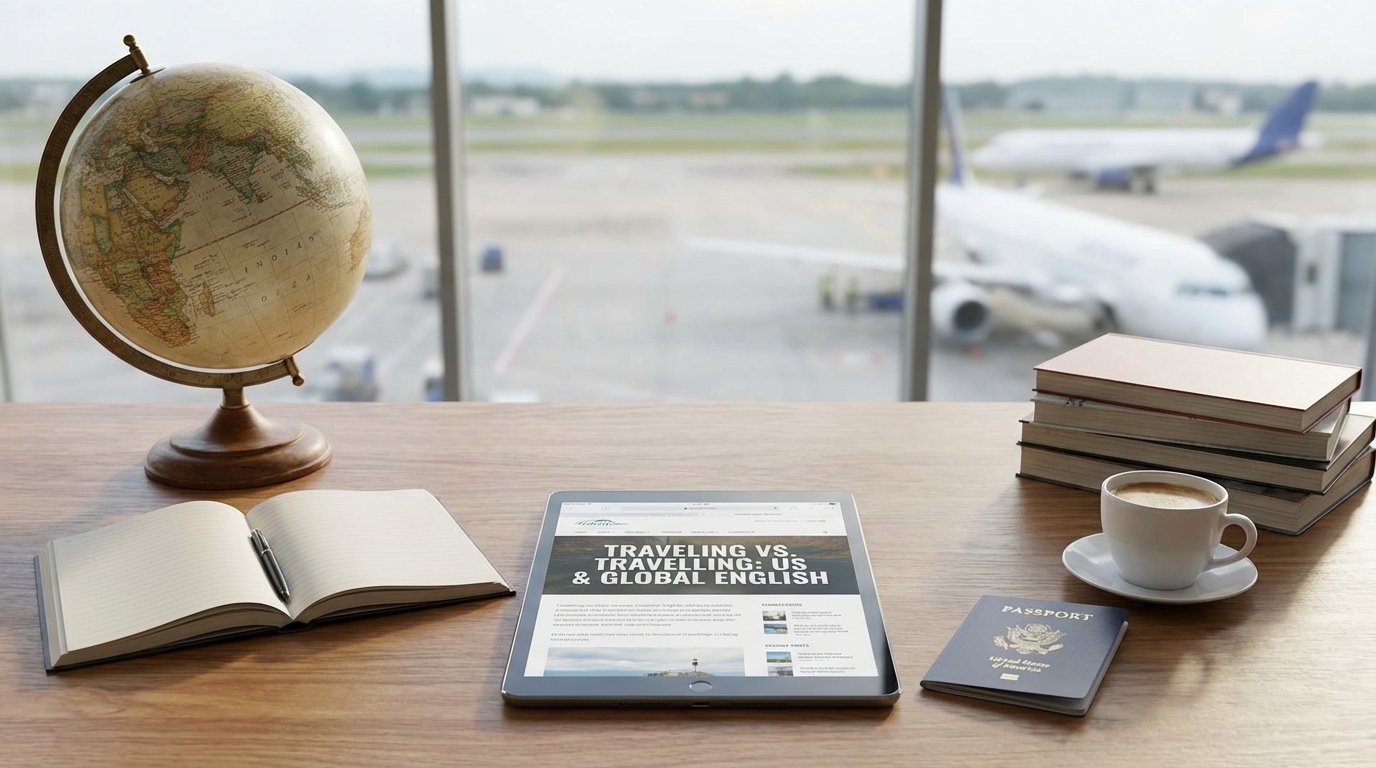
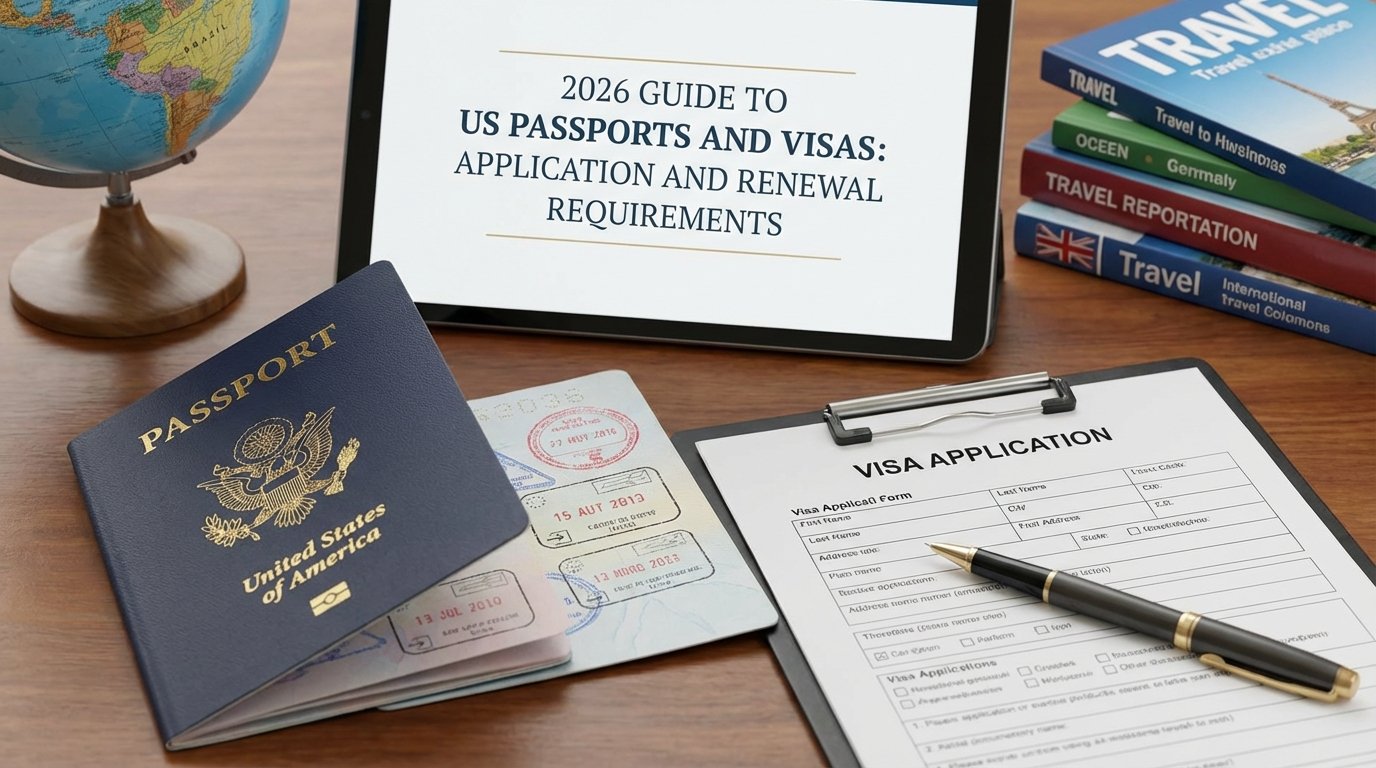
Passport, visas, and digital copies: what to prep
Keep essential documents updated and accessible. Create digital backups you can access offline, and store physical copies in a separate location from originals.
- Passport validity check and visa requirements for your next destinations
- Digital copies stored offline on a secure device or encrypted wallet
- Photographs of important documents for quick ID in emergencies
Practical steps to implement this now:
- Set reminders to renew passport pages and visa dates six months ahead of travel
- Use a dedicated encrypted app for document storage with offline sync
- Carry two sets of copies: one with you and one secured at home or with a trusted contact
Security habits in transit and accommodations
Develop consistent routines to reduce risk. Simple actions can make a big difference in crowded spaces and unfamiliar rooms.
- Lock valuables in a dedicated pouch or hotel safe when available
- Be mindful of bag placement in busy areas and at transit hubs
- Use a discreet communication pattern when meeting strangers in public
Edge cases to note:
- Hotels with no safe may require a portable lockbox or RFID-blocking sleeve for cards
- Public shared spaces like lounges and airports need extra attention to belongings
- Avoid leaving chargers or cords unattended to reduce tampering risk
Emergency contacts and offline access plans
Plan who to contact and how to reach them without the internet. Prepare a fail-safe protocol for medical or safety incidents.
- Local emergency numbers saved in multiple formats
- Offline maps and route plans for quick navigation to safe locations
- A designated last-resort contact back home and a shared itinerary with trusted friends
Best practices to test before departure:
- Run a mock drill with a trusted companion using offline navigation to a safe spot
- Share a minimal, privacy-respecting itinerary that updates only when you approve
- Note specific hospital or clinic locations near your lodging and transport hubs
3. Digital Setup for Long-Term Wandering
Smartphone and offline maps strategy
Rely on a proven offline map plan to minimize dead zones. Preload crucial areas before departure and keep an accessible offline atlas for essential routes. Validate maps in low-signal conditions to ensure routing and points of interest remain reliable.
- Predownloaded maps for frequent destinations and transit corridors
- Offline waypoint saves for core sights and clinics
- Custom map overlays showing lodging, laundromats, and markets
Data plans, eSIMs, and device security
Maintain flexible connectivity that scales with your route. Use a modular data approach to stay online where it matters. Have a quick connectivity checklist to adapt to border changes or carrier shifts mid trip.
- One global eSIM option plus regional SIMs for savings
- Disable unnecessary background syncing when roaming to save battery
- Enable device tracking and remote wipe as a precaution
Essential apps for travel logistics and budgeting
Pick apps that streamline planning and reduce friction on the road. Keep tools lightweight and reliable, with offline caches and clear data controls.
- Router-style trip planner for multi-city itineraries
- Budget tracker that syncs offline and online
- Local transport and visa lookup apps with offline caches
- Currency converter with offline mode and rate history
4. Accommodation Strategy: Base Camps vs. Moving Every Few Days
Cities as bases: bases to maximize sightseeing with minimal fatigue
Pick one or two anchor cities where you can settle in and observe daily life. Use them as hubs for longer day trips or weekend explorations. This approach reduces packing churn and travel fatigue while deepening your understanding of the local rhythm.
- Look for destinations with affordable stays and reliable transport links
- Establish routines you enjoy, such as visiting a market or a favorite cafe
- Schedule longer stays during shoulder seasons to stretch budget and cultural immersion
When to move vs. stay: pacing for long trips
Balance rest with exposure. Move when a clear purpose or smooth logistics prompts it. If travel fatigue grows, extend your stay and slow the itinerary.
- Maintain a 2-4 week minimum in a base to reduce transit strain
- Time transitions for midweek moves to dodge crowds and high rates
- Coordinate moves with local events to maximize experiences without overcommitting
Smart booking routines and loyalty advantages
Book with value in mind. Build a lightweight loyalty footprint across a few trusted platforms to gain flexibility and options.
- Mix short-term leases with monthly options where available
- Track cancellation policies and last-minute deals to stay agile
- Use loyalty points to offset costs in high-demand destinations while preserving budget
5. Budgeting Framework for Solo Long-Term Travel
Daily budgeting templates and tracking
Use a concise daily template to control spending on the move. Start with meals, transit, and activities, then add a practical buffer for surprises.
- Breakfast and coffee: set a realistic daily amount based on location, then log actual spend at day’s end
- Transit and local transport: estimate per city, track mileage, and adjust after Week 1 with actuals
- Activities and contingencies: reserve a modest 10-15 percent of daily budget for unplanned experiences
Cost-saving hacks without sacrificing safety
Cut costs without compromising security. Build routines that reduce spend while maintaining protection.
- Cook at your accommodation when possible to cut daily food costs significantly
- Choose budget-friendly neighborhoods with reliable essentials to avoid detours
- Shop at local markets and discount stores, compare unit prices and consider bulk items
- Rely on public transport in dense areas to minimize ride-hailing fees and wait times
Income and work on the road
Develop options that sustain long-term travel with practical planning and compliance awareness.
- Remote freelance tasks that leverage your skills and align with your time zone
- Seasonal gigs or short-term contracts suited to your pace and visa rules
- Keep organized receipts and digital copies for tax, visa, or reimbursement needs
6. Safety Protocols and Crowd-Avoidance Tactics
Understanding local risk profiles and situational awareness
Every destination carries its own risk landscape. Build a practical mental map by noting known hotspots, entry points for trouble, and safe routes you can rely on during different times of day.
- Follow official advisories and trusted local outlets to gauge current conditions
- Observe crowd dynamics and adjust your proximity to others in dense areas
- Spread valuables across multiple pockets or bags and keep a low profile in transit hubs
Crowd management: timing, routes, and alternative sights
Limit exposure by choosing times and routes with lighter foot traffic. Have ready alternates if crowds surge or if an attraction closes early.
- Visit popular sites at dawn or near sunset to avoid peak crowds
- Predefine parallel routes to bypass bottlenecks and discover quieter viewpoints
- Schedule short rest breaks every 2-3 hours to stay alert and focused
Health safety and travel insurance essentials
Long trips shift health needs. Select coverage that travels with you and fits your activities, with clear terms for international use.
- Choose a plan with emergency medical and evacuation benefits
- Carry a compact, climate-appropriate first aid kit
- Keep digital copies of policy details and local emergency numbers offline for quick access
7. Destinations and itineraries for Slow, Deep-Wocus Travel
Choosing a long-term base region and logical exploration loops
Select a base region that supports varied experiences with minimal transit. Prioritize places with reliable transport links and affordable stays, then design loops that keep travel within a comfortable radius to preserve energy.
- Identify a central city or town as your anchor
- Plan 2-3 day trips to nearby towns or natural sights
- Vary loop intensity to match your energy and interests
Balancing sightseeing with rest and cultural immersion
Deep travel requires steady pacing. Build in time for routines, local meals, and language practice. Schedule restorative days between major excursions to prevent fatigue.
- Reserve non-touristy days for markets, workshops, or volunteering
- Pair flagship sights with quieter neighborhoods to avoid crowds
- Incorporate regular practices like a local class or walkable explorations
Female vs male solo travel considerations (if relevant)
Safety planning should align with personal comfort and local norms. Create a portable support network and adapt routines without sacrificing independence.
- Incorporate daytime social activities with trusted groups or hosts
- Choose accommodations with proven safety features and solid reviews
- Maintain clear communication with contacts about plans and routes
FAQ
You may have practical questions as you plan long term travel. This section covers common concerns and straightforward answers grounded in real-world practice.
What is the best way to start long term travel without quitting my routine?
Begin with a lighter commitment, such as a two to three month trip, then extend as you confirm flexibility in work or schooling. Build a baseline itinerary that includes rest days and options to pause if needed.
Example: start with a month in a single region, like the Balkans, where lower costs and good transport make logistics easier. Work two mornings a week from a coworking space to test how your schedule holds up.
How do I avoid loneliness while traveling solo?
Establish a local routine: join a class, volunteer, or stay in hostels with communal spaces. Maintain contact with a trusted contact back home and schedule regular check-ins to preserve connection.
enroll in a weekly language exchange, arrange a recurring coffee with a local friend, and set up two virtual check-ins midweek. Trafels recommends pairing with a local guide for the first two weeks to build familiarity and safety.
Which destinations are most conducive to slow travel?
Look for places with good transport links, affordable stays, and abundant local experiences. Prioritize regions where you can establish a base and explore nearby sites with minimal transit.

Consider basing in a city like Porto or Chiang Mai for a month, then take short weekend trips by train or bus to nearby towns to keep durations manageable and logistics simple.
How should I approach budgeting on the road?
Use a simple daily budget, track expenses in a single tool, and pad for emergencies. Prioritize affordable, safe accommodations and cook when possible to stretch funds without sacrificing safety.
Action steps: set a monthly cap for lodging, split meals, and allocate a weekly buffer for tours or activities. Use offline maps and a single card with travel alerts to minimize fees and fraud risk.
What if I have dietary needs while abroad?
Choose destinations with accessible grocery options and diverse dining. Learn local equivalents for your staples and carry a compact snack kit when necessary.
Tip: map three reliable grocery stores, ask about allergen cross-contact in restaurants, and keep a bilingual card listing dietary restrictions for emergencies. Trafels partners with host communities that cater to varied diets, smoothing selection and safety.
Conclusion
Long term solo travel rewards preparation, flexibility, and disciplined planning. Your best setup blends lean gear, strong safety habits, and a travel plan that adapts to changing conditions.
At trafels.com, our approach centers on sustainable pacing. Start with a base in a destination that supports routine exploration, then rotate through nearby sights to avoid fatigue and crowds. For example, base yourself in a university town with good transit, then day-trip to surrounding villages as weather shifts or crowds swell.
- Prioritize a minimal, versatile wardrobe that travels well and blends with locals
- Keep a compact safety and documentation toolkit with offline backups
- Use a smart digital setup to navigate, budget, and stay connected without constant data cost
Balance budget goals with safety. Track daily spend using a simple notebook or app, seek affordable hostels or guesthouses with good safety records, and calibrate activities to your energy levels. A sample flexible plan: plan a week around two core activities, then add one optional experience per day based on weather and mood.
Finally, stay connected to local communities. Join a weekly language exchange, co-working with locals, or a neighborhood meetup to offset loneliness and travel fatigue. Your best long-term setup is the one you can sustain with purpose, clarity, and regular check-ins with your safety plan.