Table of Contents
- 5 Red Flags to Reconsider Your Trip
- 1. Sudden Political Instability
- 2. Health Infrastructure Collapse or Epidemics
- 3. Shifting Visa Reciprocity and Entry Requirements
- 4. Localized Security Threats
- 5. Natural Disaster Trajectories
- 1. Understanding Travel Advisory Levels
- 2. Red Flags in Hotel Photography: Beyond Instagram Bait
- Consistent Negative Reviews and Common Themes
- Hidden Costs and Undisclosed Fees
- 1. Sudden Political Instability
- 2. Health Infrastructure Collapse or Epidemic Outbreak
- 3. Shifting Visa Reciprocity and Entry Requirements
- 4. Localized Security Threats and Increased Crime Rates
- 5. Natural Disaster Trajectories
- Red Flags in Hotel Photography: The Truth Behind Instagram Bait
- Consistent Negative Reviews and Common Themes
- Communication and Service Quality Indicators
- Physical Safety and Security Indicators
- Summary: Prioritizing Safety Over Wanderlust
- Communication and Service Quality: A Key Hotel Red Flag
- Localized Security Threats: Physical Safety and Security Indicators
- Frequently Asked Questions: Navigating Travel Red Flags and Booking Decisions
- Summary
- Frequently Asked Questions: Navigating Travel Red Flags and Booking Decisions
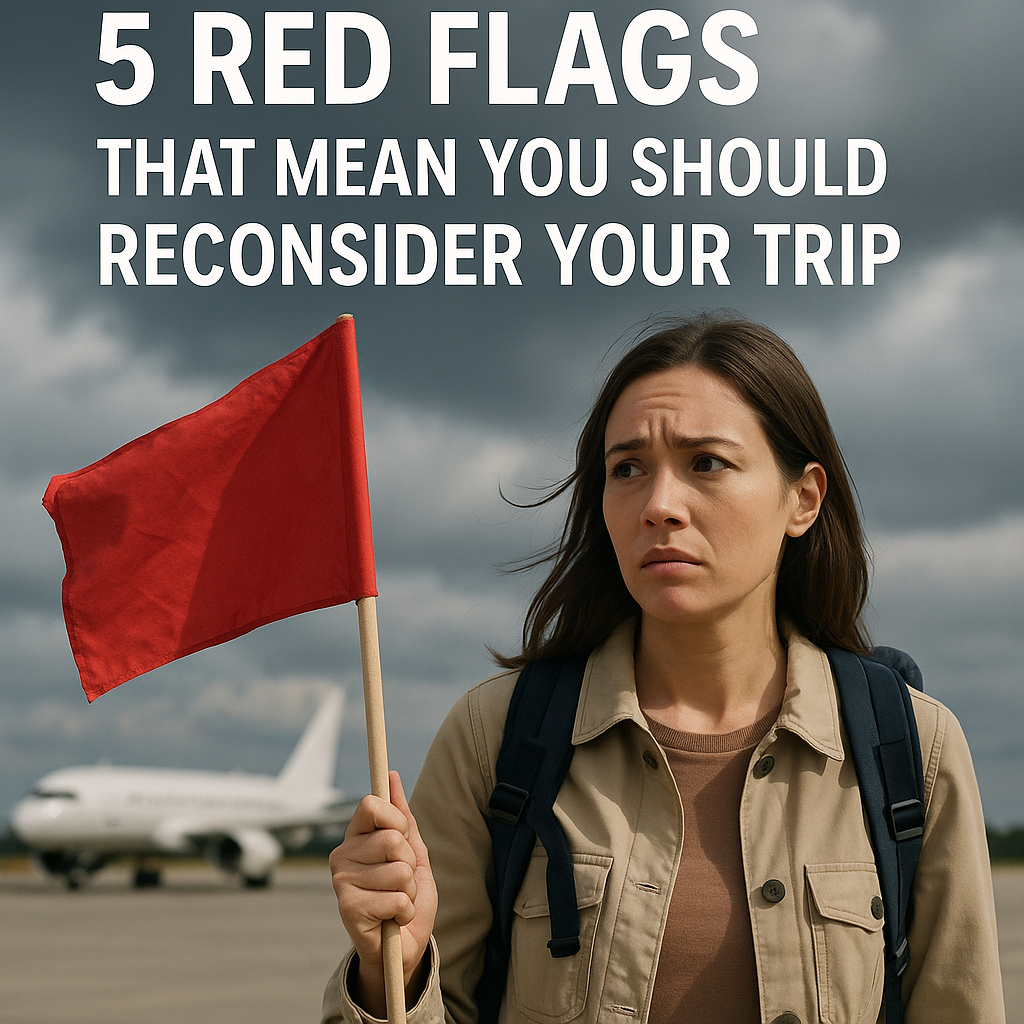
5 Red Flags to Reconsider Your Trip
Planning international travel involves more than just selecting a destination and booking a flight. It demands a rigorous risk assessment, especially with the dynamic global landscape. Understanding government travel warnings and advisories is crucial, but equally important is discerning the nuances from real-time ground reports. This guide outlines critical red flags that signal a need to reconsider your trip, prioritizing your travel safety and logistical readiness.

For smart vacation planning, you need to interpret official guidance alongside on-the-ground intelligence. This approach helps you avoid common booking mistakes and ensures your travel logistics are sound.
1. Sudden Political Instability
Political landscapes can shift rapidly, transforming a calm destination into a volatile one. This instability can manifest as civil unrest, protests, or even government overthrows. Such events directly impact traveler safety, often leading to disruptions in public services and transportation. When planning international travel, you must consider the potential for these sudden changes, as they are significant travel warnings.
Protocol Action: Monitor Official Channels and Register
Immediately consult your home country’s official travel advisories, such as those from the U.S. Department of State or similar bodies. These advisories provide objective assessments of risk levels. Simultaneously, seek out diverse real-time ground reports from reputable international news organizations and local contacts, if possible. Register your travel plans with your embassy or consulate through programs like the Smart Traveler Enrollment Program (STEP). This ensures you receive emergency updates and facilitates contact in a crisis. Review your travel insurance policy, specifically looking for clauses related to political unrest or “cancel for any reason” options. Many standard policies do not cover acts of war or civil disturbance, making these hidden costs if you need to cancel last minute. This due diligence is a critical travel expert tip for vacation planning.
When assessing a potential destination, look beyond the glossy images often found on Instagram marketing deception. Just as you’d scrutinize hotel reviews for an all-inclusive resort booking, you should evaluate the broader political climate. Authentic guest images and local news can reveal more than curated promotional materials, helping you avoid booking mistakes. Consider what Kristen Kellogg or Salt + Wind Travel might advise regarding geopolitical awareness when choosing luxury hotels or beachfront resorts.

For instance, if you’re considering a stay at an all-inclusive resort, sudden political instability in the region can quickly turn your dream vacation into a logistical nightmare. Even if the resort itself seems secure, emergency extraction becomes complex if local infrastructure collapses. This is where travel agency advice can be invaluable, as they often have real-time updates and can help navigate hotel cancellation policies. Don’t let the allure of resort deals or Instagram bait override critical travel safety considerations.
2. Health Infrastructure Collapse or Epidemics
A sudden decline in a country’s health infrastructure, perhaps due to an unforeseen epidemic or a natural disaster, presents a significant red flag. This can mean limited access to medical care, overwhelmed hospitals, or a shortage of essential medicines. Such events directly impact travel safety and can turn a relaxing vacation planning into a logistical nightmare.
Protocol Action: Health Audit and Emergency Planning
Before traveling, research the local health infrastructure. If travel warnings indicate a collapse or an active epidemic, re-evaluate your trip. Confirm your hotel cleanliness standards and inquire about their hygiene protocols. For any existing medical conditions, ensure you have an ample supply of medication, along with a doctor’s note. Investigate local emergency medical services and their capacity. Consider purchasing specialized medical evacuation insurance, as standard travel insurance may not cover complex extractions if local facilities are inadequate. Lotoya Jackson, a respected travel expert, frequently emphasizes the need for thorough health audits, especially when visiting developing regions.
Red Flags in Hotel Photography: Authentic Guest Photos
When booking a hotel or all-inclusive resorts, be wary of Instagram marketing deception. While professional photos on Google, Facebook, and hotel websites can look stunning, authentic guest images often reveal the true conditions. These guest photos from review sites or social media can expose critical hotel red flags like moldy bathtubs, stained sheets, or general disrepair that impact hotel cleanliness and overall hotel hygiene. Prioritize these candid shots over glossy, filtered images when assessing accommodations for your trip planning.
Consistent Negative Reviews and Common Themes
Pay close attention to authentic reviews when evaluating potential accommodations. Multiple reviews mentioning the same issue, such as poor cleanliness, excessive noise, or inadequate service, are reliable indicators of hotel red flags. Studies show that recent reviews, ideally within the last six months, are most relevant for assessing current conditions. This helps you avoid booking mistakes and ensures you select accommodations that meet your operational service standards and travel safety expectations.
Hidden Costs and Undisclosed Fees
When considering resort deals or all-inclusive resort booking, always scrutinize the total cost. Competitors warn travelers to watch for hidden costs and undisclosed prices. These can include unexpected resort fees, large security deposits, or additional charges for baggage, Wi-Fi, or even certain meals that were not explicitly mentioned in the initial booking. These hotel policies can significantly increase your total expenditure and are major hotel red flags that can derail your vacation planning. Always confirm all potential costs with the travel agency services or the property directly.
Vague or Misleading Amenity Descriptions
Be skeptical of vague amenity descriptions, especially when planning your trip planning. Terms like ‘fitness facilities’ might imply a fully equipped gym, but could mean limited equipment. Similarly, ‘beachfront resorts’ might not guarantee direct beach access. Verify amenities through Google Maps street view, YouTube videos, or direct contact with the property to prevent surprises about location or features. This due diligence is crucial for avoiding booking mistakes and ensuring the accommodations meet your expectations, especially for luxury hotels or glamping and luxury accommodations.
Communication and Service Quality
Prompt, helpful responses from staff are strong indicators of good operational service standards. Conversely, unhelpful or delayed responses, unclear directions, or staff unwilling to provide local information are significant hotel red flags. This lack of responsiveness suggests poor service quality, which can impact your overall travel logistics and enjoyment. Evaluate the property communication responsiveness before committing to your booking, as it reflects the overall guest experience. Kristen Kellogg and Salt + Wind Travel often highlight the importance of clear communication in their travel expert tips.
Expert Insight
“Always read the fine print and confirm fees before you book; even in city hotels with no beach or spa, you could see up to $50 per night in hidden fees at checkout.”, Johan Siggesson, Travel Expert and Photographer
3. Shifting Visa Reciprocity and Entry Requirements
Visa policies are not static. Countries can change their entry requirements without extensive notice, impacting your ability to enter or even transit. This includes sudden visa cancellations, new reciprocity fees, or heightened scrutiny at borders. These changes can quickly turn your careful vacation planning into a crisis.
Protocol Action: Document Validity and Official Verification
Verify your passport’s validity, ensuring it meets the common six-month rule beyond your intended departure date. Check the official embassy or consulate website of your destination country for the most current visa requirements and any recent changes. Do not rely solely on third-party travel agency advice or outdated information. Understand that even if you have a valid visa, authorities at the port of entry retain the right to deny admission.
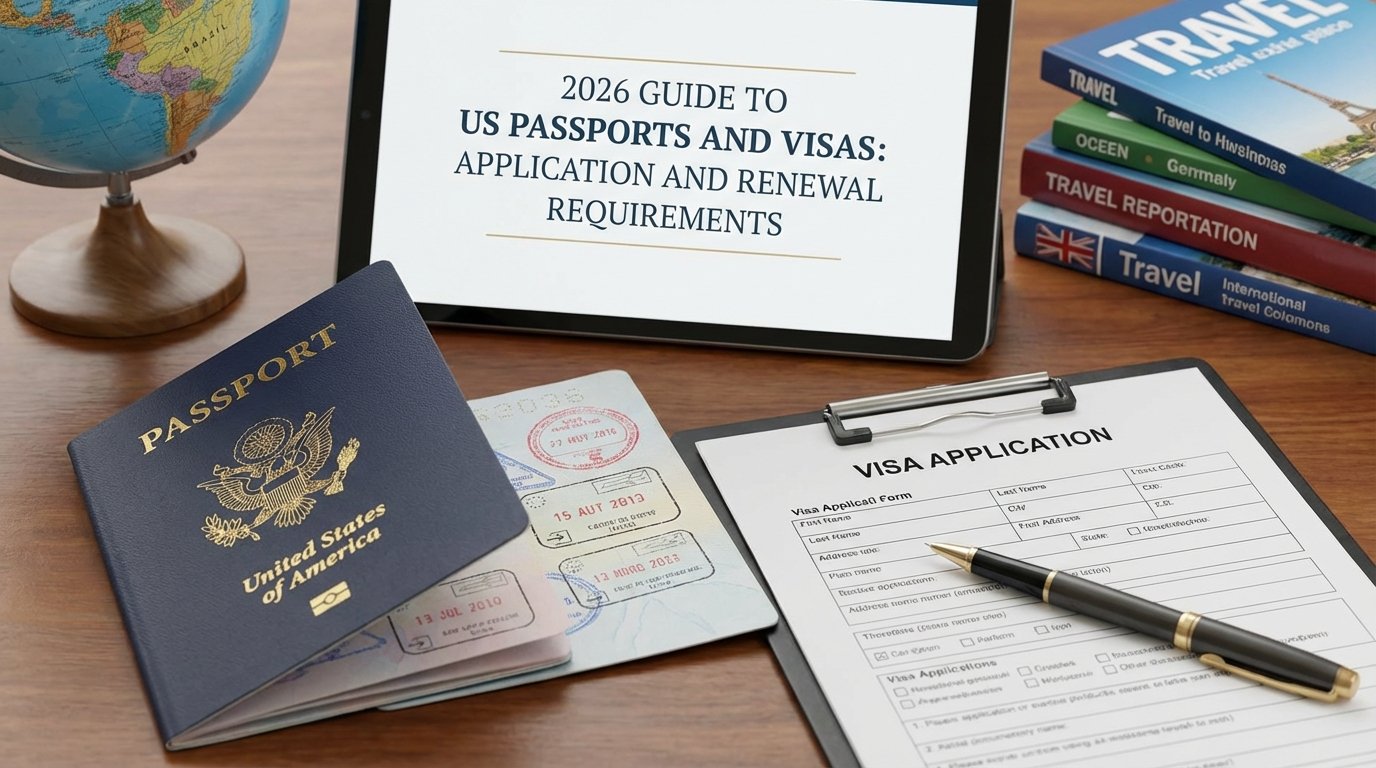
Kristen Kellogg, co-founder of Salt + Wind Travel in California, often highlights how unexpected visa changes can derail even the most meticulously planned trip. Always confirm hotel policies regarding booking cancellations if your entry is denied. This due diligence is part of effective travel logistics and prevents unexpected hidden costs or wasted bookings for all-inclusive resorts or luxury hotels.
Expert Insight
“Unexpected visa changes can derail even the most meticulously planned trip, as officials increasingly treat entry requirements as a diplomatic tool that can shift rapidly and create significant travel disruptions.”, Kristen Kellogg, Co-founder of Salt + Wind Travel
4. Localized Security Threats
Even if a country’s overall travel advisory is moderate, specific regions or cities might experience heightened localized security threats. These can include increased crime rates, targeted attacks, or areas designated as no-go zones due to gang activity or terrorism. Your vacation planning must account for these nuances.
Protocol Action: Local Intel and Route Adjustment
Beyond national advisories, seek localized security information. Consult various sources, including local news, embassy security alerts, and reputable travel forums. Pay close attention to authentic guest images and authentic reviews that might hint at safety concerns in specific hotel areas or neighborhoods. Lotoya Jackson and Kristen Kellogg, travel experts frequently featured in Sunset Magazine, often emphasize the importance of scrutinizing guest photos for red flags.
Red Flags in Hotel Photography: Beyond Instagram Bait
Don’t be swayed by perfectly curated Instagram marketing deception. While luxury hotels and beachfront resorts often use professional imagery, authentic guest images reveal the true conditions. Competitors emphasize that Instagram-worthy photos can be misleading; real guest photos might show moldy bathtubs, stained sheets, or signs of poor hotel cleanliness, which are critical hotel red flags. Always check Google Images or YouTube for unedited perspectives on your potential accommodations.
Consistent Negative Reviews and Common Themes
When booking a hotel, prioritize recent hotel reviews from within the last six months. Studies show that multiple reviews mentioning the same issue, such as poor hotel cleanliness or excessive noise, are reliable indicators of hotel red flags. Look for patterns in feedback regarding operational service standards and overall travel safety. This is crucial for sound trip planning and avoiding common booking mistakes.
Physical Safety and Security Indicators
Your travel instinct and due diligence are vital. Signs such as rooms with obvious forced entry repairs, kicked-in doors, or nearby police activity (e.g., SWAT raids) are critical travel safety red flags. If you observe these during your stay, or if guest photos reveal such issues, it’s a serious concern. Radoslav Bali, a photographer whose work often appears on Unsplash, captures urban realities that can sometimes reflect these types of security concerns.
Hidden Costs and Undisclosed Fees
When considering an all-inclusive resort booking or any resort deal, be wary of hidden costs and undisclosed prices. Competitors warn to watch for resort fees, large security deposits and payment methods, or unmentioned additional charges for baggage or meals. These can significantly increase total costs unexpectedly, turning your dream vacation planning into a financial headache. Always review hotel policies thoroughly, and don’t hesitate to consult travel agency advice if something seems unclear.
Vague or Misleading Amenity Descriptions
Vague language like ‘fitness facilities’ may mean limited equipment, or a ‘beachfront resort’ might be miles from the actual beach. Verifying amenities through Google Maps, direct contact, or checking authentic guest images prevents surprises about location or features. This is a common hotel red flag that can lead to significant disappointment, especially in luxury accommodations or glamping experiences. Thomas Barwick and Getty Images, while providing compelling visuals, should always be cross-referenced with factual descriptions and user-generated content.
Communication and Service Quality
Prompt, helpful responses from staff, both before and during your stay, indicate good operational service standards. Unhelpful or delayed responses, unclear directions, or staff unwilling to provide local information are hotel red flags, suggesting poor service quality. Good property communication responsiveness is a hallmark of a well-managed establishment and essential for effective travel logistics. California-based travelers, for instance, often prioritize excellent customer service in their resort booking tips.
Expert Insight
“It should be a ‘very big red flag’ if a travel agency is requested to be paid directly, rather than money going to the vendor; always cross-reference blurry photos or lack of shade with authentic guest images and direct communication to ensure the service quality meets professional standards.”, Travel Industry Expert
5. Natural Disaster Trajectories
The trajectory of natural disasters, such as hurricanes, typhoons, earthquakes, or volcanic activity, can render a destination unsafe or inaccessible. These events cause widespread damage, disrupt infrastructure, and necessitate emergency evacuations. Your vacation planning must always consider these potential threats.
Protocol Action: Weather Monitoring and Evacuation Preparedness
Utilize reliable meteorological services and geological surveys to monitor potential natural disaster trajectories for your destination. If a significant event is forecast, you should reconsider your trip. Even if the immediate danger passes, the aftermath can involve extensive damage, power outages, and limited resources, significantly impacting your travel logistics.
Ensure your travel logistics include a clear evacuation plan and readily accessible emergency funds. Audit your hotel cancellation policies and consult travel expert tips on booking flexibility. Images by Radoslav Bali on Unsplash often depict the severe impact of such events, underscoring the importance of preparedness. You want to avoid becoming an Instagram marketing deception victim by focusing solely on idyllic images without considering real-world risks.
Red Flags in Hotel Photography: Authentic Guest Photos
When assessing a destination post-disaster, or even for general resort booking tips, be wary of Instagram bait photography. While professional shots of all-inclusive resorts or luxury hotels look appealing, they can be misleading. Authentic guest photos are crucial. These images, often found on Google reviews or Facebook travel groups, reveal true conditions. Look for signs of damage, poor hotel cleanliness, moldy bathtubs, or stained sheets that professional photos would never show. As Kristen Kellogg of Salt + Wind Travel often advises, genuine traveler photos are invaluable for seeing beyond the marketing.
Consistent Negative Reviews and Common Themes
After a natural disaster, or even for standard accommodations vetting, pay close attention to hotel reviews. Multiple reviews mentioning the same issue, such as poor hotel cleanliness or noise, are reliable indicators of hotel red flags. Studies show that recent reviews within six months are most relevant. If guests consistently report issues with damage, lack of services, or poor hotel hygiene post-event, it’s a clear signal to reconsider your trip planning. This is especially true if a travel agency advice column highlights these recurring themes.
Hidden Costs and Undisclosed Fees
Even if a destination seems to have recovered, be vigilant about hidden costs and undisclosed prices. Competitors warn to watch for resort fees, large security deposits, or unmentioned additional charges for baggage or meals, which can significantly increase total costs unexpectedly. After a disaster, some properties might try to recoup losses through excessive charges. Always clarify all potential expenses when booking a hotel or looking for resort deals. Lotoya Jackson often speaks about the importance of scrutinizing all fees to avoid booking mistakes.
Vague or Misleading Amenity Descriptions
Beware of vague language in descriptions, especially after an event that might have impacted facilities. Phrases like ‘fitness facilities’ may mean limited equipment, or ‘beachfront’ might now mean a damaged beach. Verifying amenities through Google Maps satellite views, recent guest photos, or direct contact with the property prevents surprises about location or features. This is particularly important for beachfront resorts where the primary attraction might be compromised. Don’t fall for Instagram marketing deception; seek specific details.
Communication and Service Quality
Prompt, helpful responses from staff indicate good operational standards. Unhelpful or delayed responses, unclear directions, or staff unwilling to provide local info are hotel red flags, suggesting poor service quality. After a natural disaster, clear communication from accommodations is paramount for your travel safety. If a hotel is unresponsive or evasive about recovery efforts, it’s a sign that their operational service standards may be lacking. This directly impacts your travel instinct and due diligence.
1. Understanding Travel Advisory Levels
Interpreting government travel advisories is a critical step in your trip planning. These advisories offer a tiered system to help you assess risk. It’s essential to understand what each level means for your travel safety.
| Level | Description | Interpretation for Travelers |
|---|---|---|
| Level 1: Exercise Normal Precautions | No unusual risks. | Maintain standard vigilance, as you would in any major city. |
| Level 2: Exercise Increased Caution | Heightened risks, specific areas may be more dangerous. | Reconsider non-essential travel to specific areas; stay aware of your surroundings. |
| Level 3: Reconsider Travel | Serious risks to safety and security. | Strongly advise against travel; evaluate the necessity of your trip. |
| Level 4: Do Not Travel | Life-threatening risks. | Absolutely avoid travel; evacuate if already present. |

Always cross-reference these official travel warnings with authentic reviews and current news. Sometimes, the official stance may lag behind on-the-ground realities. For instance, while a government may issue a Level 2 advisory, recent guest photos on Facebook or Google might reveal emerging issues like hotel cleanliness problems or localized security threats not yet reflected in official channels.
The Discrepancy Between Official Advisories and Ground Reports
Official travel warnings, though vital, can sometimes be slow to update. This is where real-time ground reports become indispensable. Platforms like Google and YouTube often feature recent guest photos and videos, offering a more immediate glimpse into conditions. What one sees in a polished Instagram marketing campaign might be far from the truth, as noted by travel experts like Kristen Kellogg of Salt + Wind Travel.
Red Flags in Hotel Photography and Authentic Guest Photos
Beware of “Instagram bait” when booking a hotel or resort booking tips. Many luxury hotels and beachfront resorts use highly curated, professional photos that can be misleading. Authentic guest images, often found on Google, Facebook, or travel review sites, reveal the true conditions. Look for signs of poor hotel cleanliness, such as moldy bathtubs, stained sheets, or general disrepair. These are critical hotel red flags that professional photography often hides, as pointed out by Radoslav Bali, a travel expert frequently featured in Sunset Magazine.
Consistent Negative Reviews and Common Themes
When researching accommodations, pay close attention to hotel reviews. Multiple reviews mentioning the same issues, whether it’s poor hotel hygiene, excessive noise, or inadequate service, are reliable indicators of red flags. Studies show that recent reviews, ideally within the last six months, are the most relevant. Lotoya Jackson, a renowned travel expert, emphasizes checking for recurring themes in guest feedback to gauge operational service standards accurately. This helps avoid booking mistakes and ensures a better experience.
Hidden Costs and Undisclosed Fees
One of the most frustrating hotel red flags is the presence of hidden costs and undisclosed fees. Be vigilant for resort fees, large security deposits, and unmentioned additional charges for baggage or meals, especially when considering all-inclusive resorts. These can significantly increase your total costs unexpectedly. Always review the hotel policies and terms thoroughly. Thomas Barwick of Getty Images advises scrutinizing the fine print for any undisclosed prices or extra charges, which is a common concern in resort deals.
Vague or Misleading Amenity Descriptions
Vague amenity descriptions are another major red flag. Phrases like “fitness facilities” might imply a fully equipped gym, but could mean just a single treadmill in a closet. Similarly, “beach access” doesn’t guarantee a swimmable beach or even one that’s pleasant. Verify amenities through recent guest photos, Google Maps, or by directly contacting the property. This due diligence prevents surprises about the actual location or features of your accommodations, a key piece of travel expert tips.
Communication and Service Quality
The responsiveness and helpfulness of a property’s communication before your trip can reveal much about their operational service standards. Prompt, clear, and helpful responses from staff indicate good management. Conversely, unhelpful or delayed responses, unclear directions, or staff unwilling to provide local information are significant red flags. This suggests poor service quality and potential issues with resolving problems during your stay. Property communication responsiveness is a strong indicator of overall guest experience, crucial for any trip planning.
Physical Safety and Security Indicators
Your physical safety is paramount. Upon arrival, look for critical travel safety indicators. Rooms with obvious forced entry repairs, kicked-in doors, or signs of nearby police activity (such as SWAT raids, as reported in California news) are immediate red flags. Check the conditions of the lobby, common areas, elevators, and stairwells. A well-maintained and secure environment, with visible security measures and a vigilant front desk, reassures guests. Always trust your travel instinct and perform due diligence on security deposits and payment methods.
2. Red Flags in Hotel Photography: Beyond Instagram Bait
When researching accommodations, Instagram marketing deception is a significant concern. Many luxury hotels and all-inclusive resorts present highly curated images that often do not reflect reality. As highlighted by Sunset Magazine, Kristen Kellogg of Salt + Wind Travel cautions against booking a hotel based purely on “Instagram-worthy photos.”
Authentic Guest Images and Cleanliness Issues
Competitors emphasize that authentic guest images reveal true conditions. Look for candid shots rather than professionally staged ones. These photos, often found on Google or YouTube, frequently expose critical hotel red flags like moldy bathtubs, stained sheets, or general disrepair. These are direct indicators of poor hotel cleanliness and maintenance standards. A resort might look stunning in promotional material, but real guest photos can show the reality of its operational service standards, preventing costly booking mistakes and ensuring your accommodations meet expectations for hygiene and comfort. Always prioritize genuine visual evidence over glossy advertisements, especially when considering all-inclusive resort booking or luxury hotels.
Consistent Negative Reviews and Common Themes
Studies show that multiple hotel reviews mentioning the same issue, such as poor cleanliness, excessive noise, or unhelpful staff, are reliable indicators of hotel red flags. Pay close attention to recent reviews, ideally within the last six months, as these are most relevant to the current conditions of the property. For example, if several guests complain about a lack of hot water or persistent pest issues, it’s a strong sign to reconsider your vacation planning. This due diligence in checking authentic reviews can save you from significant travel headaches and ensure your travel safety and comfort.
Hidden Costs and Undisclosed Fees
When booking a hotel or all-inclusive resorts, always be vigilant for hidden costs and undisclosed prices. Competitors warn travelers to watch for mandatory resort fees, large security deposits, or unmentioned additional charges for amenities like Wi-Fi, baggage handling, or even specific meals. These unexpected fees can significantly inflate the total cost of your trip, turning a seemingly good deal into a costly booking mistake. Always review the full breakdown of charges before confirming your reservation, and don’t hesitate to contact the property directly to clarify any potential hotel policies regarding additional charges.
Vague or Misleading Amenity Descriptions
Be wary of vague language in amenity descriptions. A phrase like ‘fitness facilities’ may mean limited equipment, not a full gym. ‘Beachfront’ could imply a distant view rather than direct access, a common trick for beachfront resorts. To avoid surprises, verify amenities through independent sources like Google Maps street view, guest photos, or by contacting the property directly. Clarifying these details during your trip planning can prevent disappointment and ensure your chosen accommodations truly meet your expectations for your vacation planning.
Communication and Service Quality
Prompt, helpful, and clear responses from staff before you even arrive are strong indicators of good operational service standards. Conversely, unhelpful or delayed responses, unclear directions, or staff unwilling to provide local information are significant hotel red flags. This lack of responsiveness suggests poor service quality and potential issues with problem resolution during your stay. Effective communication is a cornerstone of a positive guest experience, and its absence should make you reconsider your resort booking tips and choices, prioritizing properties that demonstrate strong property communication responsiveness.
Physical Safety and Security Indicators
Upon arrival, pay close attention to immediate travel safety and security indicators. Signs such as rooms with obvious forced entry repairs, kicked-in doors, or nearby police activity (e.g., SWAT raids) are critical hotel red flags that demand immediate attention. Your personal safety should always be the top priority in your travel logistics. If you observe any of these alarming signs, it’s crucial to trust your travel instinct and due diligence and immediately report concerns to management or, if necessary, seek alternative accommodations. This vigilance is vital for ensuring a secure and worry-free experience.
Consistent Negative Reviews and Common Themes
Hotel reviews are a goldmine for identifying potential hotel red flags. Studies show that multiple reviews mentioning the same issue are reliable indicators of systemic problems. Pay close attention to recent reviews, ideally within the last six months, as these reflect current conditions and current operational service standards.
Identifying Patterns in Feedback
Look for recurring complaints about specific issues, such as poor hotel cleanliness, excessive noise, unresponsive staff, or undisclosed prices. For example, if several reviews mention a “vague amenity description” that turned out to be misleading, this is a strong warning. This consistent feedback is more reliable than a single negative review. Filtering reviews by “lowest rating” on platforms like Google or Facebook can quickly expose common frustrations. This approach helps travelers avoid pitfalls like unexpected hidden costs or substandard service, ensuring a smoother trip planning experience.
Authentic Guest Photos and Instagram Marketing Deception
While luxury hotels and all-inclusive resorts often present highly curated images, remember that Instagram marketing deception is a significant concern. Competitors emphasize that Instagram-worthy photos can be misleading; authentic guest images often reveal true conditions. These photos, frequently found in hotel reviews, are critical hotel red flags if they show cleanliness issues like moldy bathtubs or stained sheets, which are vital indicators of poor hotel hygiene. Always cross-reference professional photos with guest photos for a realistic view of the accommodations.
Spotting Hidden Costs and Undisclosed Fees
A major concern in vacation planning, especially with all-inclusive resort booking, is the prevalence of hidden costs. Competitors warn travelers to watch for resort fees, large security deposits, or unmentioned additional charges for baggage or meals. These can significantly increase total costs unexpectedly. Always review hotel policies thoroughly and consider contacting the property directly to clarify all potential charges before booking a hotel. This due diligence helps avoid unpleasant surprises and ensures your travel logistics remain on budget.
Hidden Costs and Undisclosed Fees
One of the most frustrating aspects of vacation planning can be unexpected charges. Many all-inclusive resorts and hotels lure guests with attractive initial prices, only to reveal a host of additional fees upon arrival or checkout. This is a significant hotel red flag that can inflate your budget dramatically and is a common pitfall in booking a hotel.
Unveiling Undisclosed Prices
Watch for hidden resort fees, which are often mandatory but not included in the advertised room rate. Large security deposits, unmentioned charges for services like Wi-Fi or gym access, and additional costs for baggage handling or specific meals at “all-inclusive” properties are common culprits. These undisclosed prices can quickly turn a dream trip into a financial burden. Always read the fine print of hotel policies and contact the property directly to confirm all charges. This diligence prevents unexpected financial burdens and ensures you understand the true cost of your resort booking tips. Many travel agency services, informed by travel expert tips and travel agency advice, can help clarify these potential pitfalls, offering transparency on these hidden costs. Lotoya Jackson and Kristen Kellogg of Salt + Wind Travel often highlight the importance of scrutinizing these details when considering luxury hotels or beachfront resorts.
1. Sudden Political Instability
One of the most immediate and severe travel warnings comes from sudden shifts in a destination’s political landscape. This isn’t just about protests; it encompasses coups, civil unrest, or rapid changes in governance that can quickly destabilize a region. Such events create significant travel safety concerns, making trip planning precarious.
Protocol Action: Monitor Official Advisories and Ground Reports
Always cross-reference government travel warnings from your home country with on-the-ground reports. While official advisories are crucial, they can sometimes lag. Check reputable international news sources and local social media (with caution for bias) to gauge the real-time situation. If a region becomes a no-go zone due to political upheaval, your travel logistics for emergency extraction can become incredibly complex and costly. This is a primary hotel red flag for an entire destination, impacting even luxury hotels.
2. Health Infrastructure Collapse or Epidemic Outbreak
A severe deterioration of a destination’s health services or the sudden emergence of a widespread epidemic is a critical red flag. This goes beyond minor illnesses; it concerns situations where medical care becomes inaccessible or overwhelmed. Think about the implications for even routine medical needs, let alone emergencies. The advice from travel expert tips is clear: health should always be paramount.
Protocol Action: Audit Insurance and Consult Medical Professionals
Immediately review your travel insurance policy to understand its coverage for medical emergencies, evacuations, and “cancel for any reason” clauses. Consult with a travel doctor or your national health advisory service for up-to-date information on disease outbreaks and required vaccinations. The logistical reality of emergency medical evacuation from a country with a collapsed health system is a major undertaking, often with hidden costs not covered by basic insurance. Consider the advice of Lotoya Jackson on preparing for unforeseen health crises during vacation planning.
3. Shifting Visa Reciprocity and Entry Requirements
Changes in visa policies, especially sudden ones, can invalidate your entry permissions or create unexpected barriers. This includes new visa requirements, stricter enforcement, or even a temporary suspension of certain visa types. Such changes can derail your trip planning even before you leave. Travel agency advice often highlights the volatility of international entry rules.
Protocol Action: Re-Verify All Documentation and Embassy Guidance
Before departure, re-check the visa and entry requirements directly with the embassy or consulate of your destination country. Do not rely solely on third-party websites, which may not be updated in real-time. Register your trip with your embassy or consulate at home. This ensures they know your whereabouts and can contact you if policies change or in an emergency. Misinterpreting hotel policies or entry rules can lead to significant booking mistakes and denied boarding, adding to undisclosed prices if you need last-minute changes.
4. Localized Security Threats and Increased Crime Rates
Even if a country is generally safe, specific regions or cities can experience a surge in localized security threats, such as petty crime, violent crime, or even targeted attacks. This might not warrant a full government travel warning for the entire nation, but it poses a direct risk to travelers. Competitors emphasize that signs like rooms with obvious forced entry repairs or nearby police activity are critical travel safety red flags.
Protocol Action: Deep Dive into Local News and Traveler Forums
Go beyond general news and search for hyper-local reports on crime rates or security incidents in your specific destination. Utilize traveler forums and social media groups (like those on Facebook) for real-time accounts and advice from people currently in the area. Pay attention to consistent negative reviews mentioning common themes, such as poor hotel cleanliness or noise, which are reliable indicators of red flags. Authentic guest images and guest photos on platforms like Google or YouTube can reveal conditions like moldy bathtubs or stained sheets, critical hotel red flags often hidden by professional photography, as noted by Kristen Kellogg of Salt + Wind Travel and Sunset Magazine. These can be far more telling than Instagram marketing deception.
5. Natural Disaster Trajectories
The predictable trajectory of natural disasters, such as hurricane seasons, monsoon periods, or seismic activity, can pose significant risks. While some events are unavoidable, others can be anticipated, allowing you to reconsider your travel dates or destination. The travel expert tips here are about proactive avoidance.
Protocol Action: Consult Meteorological Agencies and Adjust Plans
Regularly check official meteorological agencies and disaster preparedness organizations for your destination. Understand the historical patterns and current forecasts for severe weather or geological events. If your travel coincides with a high-risk period, consider adjusting your vacation planning dates or choosing an alternative destination. The travel logistics of navigating a natural disaster zone, including potential evacuations or disruptions to accommodations, are complex and dangerous. Radoslav Bali and Thomas Barwick via Getty Images and Unsplash often capture the stark reality of post-disaster zones, highlighting the importance of heeding these warnings.
Red Flags in Hotel Photography: The Truth Behind Instagram Bait
Instagram marketing deception is a growing concern. Many all-inclusive resorts and luxury hotels use highly curated, professional photos that bear little resemblance to reality. These images can hide critical hotel red flags like poor hotel cleanliness standards or outdated facilities. Authentic guest images are crucial for discerning the true state of accommodations. Look for guest photos on hotel reviews sites, Google Maps, or YouTube to see the actual conditions. A pristine pool in an advertisement might be cloudy and crowded in reality, a common booking mistake highlighted by travel expert tips.
Consistent Negative Reviews and Common Themes
One of the most reliable hotel red flags is a pattern of consistent negative reviews, especially those mentioning the same issues. Multiple reviews within the last six months citing poor hotel cleanliness, excessive noise, or unhelpful staff are strong indicators of problems. Studies show that these recurring themes are far more reliable than isolated complaints. Pay attention to reviews discussing operational service standards or hotel hygiene. Travel expert tips suggest filtering reviews by ‘recent’ to get the most accurate picture of current conditions and avoid booking mistakes for all-inclusive resort booking.
Communication and Service Quality Indicators
The responsiveness and helpfulness of a property’s staff before you even arrive can be a major red flag. Unanswered emails, vague responses to specific questions, or a general lack of professionalism indicate poor operational service standards. This extends to the clarity of hotel policies and the ease of getting information about hidden resort fees or security deposits and payment methods. Property communication responsiveness is a key indicator of what you can expect during your stay. Travel instinct and due diligence play a huge role here, as advised by Kristen Kellogg of Salt + Wind Travel.
Physical Safety and Security Indicators
Beyond general crime rates, specific hotel red flags related to physical safety are crucial. Competitors highlight issues like rooms with obvious forced entry repairs, kicked-in doors, or a noticeable police presence near the property (e.g., SWAT raids). These are immediate and severe travel safety concerns. Always assess the security measures and front desk conditions, as well as the overall feeling of the neighborhood. Your travel expert tips should include checking local news for any incidents related to your specific accommodations during your vacation planning.
Summary: Prioritizing Safety Over Wanderlust
The goal of trip planning is to create memorable experiences, but never at the expense of your safety. By diligently monitoring these red flags and taking immediate protocol actions, you can make informed decisions that prioritize your well-being and logistical readiness. Remember, the dynamic global landscape demands continuous vigilance and a sober, expert approach to travel logistics. Always prioritize safety, understand the reality of emergency extraction, and ensure your documents are valid, avoiding common booking mistakes and hidden costs highlighted by travel warnings and resort booking tips.
Communication and Service Quality: A Key Hotel Red Flag
The responsiveness and helpfulness of a hotel’s staff during the booking process can be a strong indicator of their overall service quality. Poor communication is a significant hotel red flag that signals potential issues with operational service standards. As Kristen Kellogg of Salt + Wind Travel notes, clear communication is paramount for a smooth trip.
Indicators of Poor Operational Standards
Delayed or unhelpful responses to inquiries, unclear directions, or staff unwilling to provide local information suggest poor operational service standards. For example, if a property struggles to answer basic questions about travel logistics or local attractions, it may indicate a lack of training or commitment to guest satisfaction. This can lead to frustration and difficulties during your trip and highlights a critical hotel red flag. Lotoya Jackson emphasizes that such issues are often a precursor to broader problems with accommodations.
Property Communication Responsiveness and Trip Planning
Conversely, prompt, informative, and courteous communication is a positive sign. This proactive engagement reflects a well-managed property committed to guest experience. Prioritizing properties with excellent property communication responsiveness can significantly enhance your trip planning and overall travel satisfaction. When considering all-inclusive resort booking, confirm the ease of communication before committing, as this directly impacts your ability to resolve issues or modify your booking, avoiding common booking mistakes.
Hidden Costs and Undisclosed Fees: A Major Red Flag
Always watch for hidden costs and undisclosed fees. Competitors warn travelers to scrutinize resort fees, large security deposits, or unmentioned additional charges for amenities like baggage handling or meals. These can significantly increase your total cost unexpectedly, turning a great resort deal into an expensive surprise. Always check the hotel’s cancellation policies and payment methods carefully to avoid unnecessary charges, a common piece of travel expert tips.
Vague or Misleading Amenity Descriptions
Be wary of vague language in amenity descriptions. Terms like ‘fitness facilities’ might mean limited equipment, while ‘beachfront resorts’ could be across the street from the beach. Verifying amenities through Google Maps or direct contact prevents surprises about location or features. Instagram marketing deception often uses wide-angle lenses to make spaces appear larger or more luxurious than they are. Always cross-reference with authentic guest images.
Red Flags in Hotel Photography: Authentic Guest Photos
Instagram-worthy photos can be highly misleading. Authentic guest images, often found in hotel reviews on platforms like Google or Facebook, reveal the true conditions, including hotel cleanliness issues like moldy bathtubs or stained sheets. These are critical hotel red flags that glossy professional shots won’t show. Always seek out guest photos to get a realistic view of the accommodations and avoid being swayed by ‘Instagram bait’.
Consistent Negative Reviews and Common Themes
Studies show that multiple reviews mentioning the same issue, such as poor cleanliness, noise, or inadequate service, are reliable indicators of red flags. Pay particular attention to recent reviews within the last six months, as these are most relevant to current conditions. Consistent complaints about hotel hygiene or lack of staff responsiveness are strong signals to reconsider your booking, providing vital travel warnings. Radoslav Bali from Unsplash and Thomas Barwick from Getty Images often capture the reality hidden behind marketing.
Physical Safety and Security Indicators
Prioritize your travel safety. Signs such as rooms with obvious forced entry repairs, kicked-in doors, or nearby police activity are critical security red flags. While rare, these indicators suggest a broader issue with the area’s security. Trust your travel instinct and due diligence. A quick search for local news or crime reports can provide crucial context often overlooked in vacation planning.
Localized Security Threats: Physical Safety and Security Indicators
Your personal safety is paramount when planning international travel. Beyond general travel warnings and advisories, specific physical signs within and around your chosen accommodations can serve as critical security red flags. These indicators are vital for your travel safety and should prompt immediate action.
Recognizing Critical Safety Red Flags on Arrival
Upon arrival, observe your surroundings carefully. Signs such as rooms with obvious forced entry repairs, kicked-in doors, or unusual police activity (e.g., SWAT raids) in the vicinity are immediate and critical safety red flags. These indicators suggest a history of security breaches or ongoing threats, a point often highlighted by travel expert tips.

Even if the immediate area of your all-inclusive resort seems secure, proximity to such incidents should prompt extreme caution. Trust your travel instinct and due diligence. If you feel unsafe, consider alternate accommodations or contacting local authorities. Your travel safety should never be compromised, and recognizing these physical cues is vital for protecting yourself and your companions.
Protocol Action: Assess and Re-evaluate Your Stay
If you encounter any of these physical safety indicators, immediately assess your situation. Document any concerning observations with photos or notes. Contact the hotel management to inquire about the issues, and if their response is unsatisfactory or evasive, consider activating your travel insurance’s “cancel for any reason” clause if applicable. For severe threats, contact your embassy or local law enforcement. This proactive approach is crucial for mitigating risks during your trip planning.
Frequently Asked Questions: Navigating Travel Red Flags and Booking Decisions
Understanding travel risks and making informed booking decisions is crucial for any international trip. Here are answers to common questions about navigating potential red flags, ensuring your travel safety and peace of mind.
1. What does “cancel for any reason” insurance actually cover?
“Cancel for any reason” (CFAR) insurance offers the most flexibility for your vacation planning. It allows you to cancel your trip for reasons not typically covered by standard policies, such as a change of heart, a sudden fear of travel due to an advisory, or even if your hotel has significant red flags. However, it usually covers only a percentage of your non-refundable costs, typically 50% to 75%. You must purchase it within a specific timeframe after your initial trip deposit. Always read the policy details carefully to understand its limitations and payout structure, as highlighted by travel experts like Kristen Kellogg of Salt + Wind Travel.
2. How reliable are online hotel reviews and guest photos?
Online hotel reviews from platforms like Google and Facebook can be very reliable, but you need to look for patterns. While individual reviews can be biased, consistent negative themes across multiple recent reviews, especially regarding hotel cleanliness or service, are strong indicators of genuine issues. Pay attention to reviews with guest photos that confirm or contradict written descriptions. These authentic guest images are vital for spotting hotel red flags like moldy bathtubs or stained sheets, which are often concealed by professional marketing photos. Be wary of overly positive or generic reviews that lack specific details, as these can sometimes be fabricated. Cross-referencing reviews from multiple platforms also enhances reliability, a tip often shared by travel agency advice.
3. Should I trust all-inclusive resort deals that seem too good to be true?
Often, if an all-inclusive resort deal seems too good to be true, it probably is. This is a common red flag, particularly with all-inclusive resort booking. Extremely low prices might indicate hidden costs, vague amenity descriptions, or a property with poor operational service standards. Always scrutinize what is explicitly included versus what is extra. Look for consistent negative reviews mentioning undisclosed prices or poor value, which can lead to significant booking mistakes. Verify the resort’s reputation through various sources and compare it with similar luxury hotels or beachfront resorts in the area. Your travel expert tips should always lean towards thorough research over impulse booking, especially for crucial accommodations.
4. What if a government advisory changes while I’m already at my destination?
If a government travel warning changes to a higher risk level while you are at your destination, immediately contact your embassy or consulate. They can provide guidance on local conditions, security measures, and potential evacuation plans. Stay informed through official channels and local news. Re-evaluate your travel safety and consider departing if recommended by authorities. Your travel insurance provider should also be contacted to understand coverage for early departure or emergency assistance. Having an emergency communication plan and readily available funds is crucial in such scenarios, reflecting sound travel logistics.
5. How can I verify the authenticity of hotel photos, especially for unique accommodations like glamping?
To verify the authenticity of hotel photos, especially for unique accommodations like glamping, go beyond the property’s official website. Search for guest photos on review sites like Google, TripAdvisor, and social media platforms such as Instagram, Facebook, and YouTube by searching location tags and hashtags. Look for discrepancies between professional marketing images and real-world snapshots. Pay attention to details like the condition of furniture, cleanliness of bathrooms, and views from rooms. Inconsistent appearances or a lack of real guest images can be a significant red flag, suggesting that the property might be relying on Instagram marketing deception. As Radoslav Bali and Thomas Barwick for Getty Images have shown, professional photos can often enhance reality, making authentic guest images invaluable for accurate resort booking tips.
6. What are the critical physical safety and security indicators to watch for at hotels?
Your personal safety is paramount when booking a hotel. Beyond general travel warnings, specific physical signs within and around your chosen accommodations can serve as critical security red flags. Be vigilant for rooms with obvious forced entry repairs, such as patched-up doors or frames, or visible damage to locks. Nearby police activity, like a SWAT raid, is an immediate and severe red flag. Always check the security measures at the front desk and ensure staff are attentive. These indicators are vital for your travel safety and should prompt immediate action, informing your trip planning decisions.
7. How do I identify hidden costs and undisclosed fees in my vacation planning?
Hidden costs and undisclosed fees are common hotel red flags that can derail your vacation planning budget. Always scrutinize the fine print of any booking, especially for all-inclusive resorts or resort deals. Look out for resort fees, which are often not included in the initial quoted price. Large security deposits, unmentioned additional charges for baggage, Wi-Fi, or even meals that you assumed were included, can significantly increase your total costs unexpectedly. If amenity descriptions are vague, like “fitness facilities,” verify them through Google Maps or direct contact to prevent surprises. Competitors warn against vague amenity descriptions that can hide limited equipment or inconvenient locations. Always ask about all potential charges before confirming your reservation to avoid these common booking mistakes and ensure transparency in hotel policies.
Summary
Prudent international travel demands a proactive approach to risk assessment. By meticulously analyzing government travel advisories, scrutinizing real-time ground reports, and recognizing key red flags related to political stability, health infrastructure, visa reciprocity, localized security, and natural disaster trajectories, travelers can make informed decisions. Prioritizing safety through practical protocol actions, such as embassy registration and thorough insurance audits, is essential. Remember, responsible vacation planning goes beyond securing deals; it involves safeguarding your well-being against unforeseen circumstances, ensuring your journey remains a positive experience.
Frequently Asked Questions: Navigating Travel Red Flags and Booking Decisions
Understanding travel risks and making informed booking decisions is crucial for any international trip. Here are answers to common questions about navigating potential red flags, ensuring your travel safety and peace of mind.
1. What does “cancel for any reason” insurance actually cover?
“Cancel for any reason” (CFAR) insurance offers the most flexibility, allowing you to cancel your trip for reasons not typically covered by standard policies. This could include a change of heart or a sudden fear of travel due to a government advisory. However, it usually covers only a percentage of your non-refundable costs, typically 50% to 75%, and must be purchased within a specific timeframe after your initial trip deposit. Always read the policy details carefully to understand its limitations and payout structure, as advised by travel expert tips from sources like Salt + Wind Travel. This is a crucial element of smart vacation planning.
2. How reliable are online hotel reviews from platforms like Google and Facebook?
Online hotel reviews from platforms like Google and Facebook can be very reliable if you look for patterns. While individual reviews can be biased, consistent negative themes across multiple recent reviews, especially regarding hotel cleanliness or service, are strong indicators of genuine issues. Pay attention to guest photos that confirm or contradict written descriptions. Be wary of overly positive or generic reviews that lack specific details, as these can sometimes be fabricated. Cross-referencing reviews from multiple platforms also enhances reliability, helping you spot hotel red flags before booking a hotel. Kristen Kellogg often emphasizes the importance of authentic reviews.
3. Should I trust all-inclusive resort deals that seem too good to be true?
Often, if a deal seems too good to be true, it probably is. This is a common red flag, particularly with all-inclusive resort booking. Extremely low prices might indicate hidden costs, vague amenity descriptions, or a property with poor operational service standards. Always scrutinize what is explicitly included versus what is extra. Look for consistent negative reviews mentioning undisclosed prices or poor value. Verify the resort’s reputation through various sources and compare it with similar luxury hotels or beachfront resorts in the area. Your travel expert tips should always lean towards thorough research over impulse resort deals.
4. What if a government advisory changes while I’m already at my destination?
If a government travel warning advisory changes to a higher risk level while you are at your destination, immediately contact your embassy or consulate. They can provide guidance on local conditions, security measures, and potential evacuation plans. Stay informed through official channels and local news. Re-evaluate your travel safety and consider departing if recommended by authorities. Your travel insurance provider should also be contacted to understand coverage for early departure or emergency assistance. Having an emergency communication plan and readily available funds is crucial in such scenarios, reflecting sound travel logistics and trip planning.
5. How can I verify the authenticity of hotel photos, especially for unique accommodations like glamping?
To verify the authenticity of hotel photos, especially for unique accommodations like glamping, go beyond the property’s official website. Search for guest photos on review sites (Google, TripAdvisor), social media (Instagram, Facebook, YouTube) by searching location tags, and travel blogs. Look for discrepancies between professional marketing images and real-world snapshots. Pay attention to details like the condition of furniture, cleanliness of bathrooms, and views from rooms. Inconsistent appearances or a lack of real guest images can be a significant red flag, suggesting that the property might be relying on Instagram marketing deception. Lotoya Jackson often highlights how crucial authentic guest images are for discerning true conditions, especially regarding hotel cleanliness standards like moldy bathtubs or stained sheets, which are critical hotel red flags.
6. What are common themes in negative reviews that indicate serious hotel red flags?
When analyzing hotel reviews, consistent negative themes are reliable indicators of serious hotel red flags. Multiple guests mentioning the same issue, such as poor hotel cleanliness, excessive noise, or unresponsive staff, signifies a systemic problem. Recent reviews, ideally within the last six months, are most relevant. Look for specific complaints about bed bugs, broken amenities, or unsafe conditions. These patterns are more telling than isolated incidents and should prompt reconsideration of your booking a hotel decision. Radoslav Bali’s research often points to these consistent themes as key signals of poor operational service standards.
7. How can I avoid hidden costs and undisclosed fees when booking a hotel or resort?
To avoid hidden costs and undisclosed fees, always scrutinize the total price breakdown before confirming your resort booking tips. Competitors warn travelers to watch for mandatory resort fees, large security deposits, and unmentioned additional charges for services like Wi-Fi, fitness facilities, or even baggage handling. These can significantly increase total costs unexpectedly. Always read the fine print of hotel policies and ask direct questions about any potential extra charges. Utilize travel agency services or consult travel expert tips to ensure transparency in pricing. For instance, some all-inclusive resorts may still charge for premium drinks or specific activities. Don’t fall victim to undisclosed prices that lead to booking mistakes.
8. What are the red flags of vague or misleading amenity descriptions?
Vague amenity descriptions are significant hotel red flags. For example, ‘fitness facilities’ might mean limited or outdated equipment, not a fully equipped gym. ‘Beachfront’ could mean a distant view rather than direct access, as highlighted by Sunset Magazine. Always verify amenities through independent sources like Google Maps Street View, guest photos, or by directly contacting the property. If the description is not specific about size, accessibility, or availability, it’s worth investigating further. This prevents surprises about location or features and helps ensure your expectations for luxury hotels or specific accommodations are met. Be wary of descriptions that feel like Instagram bait and lack concrete details.
9. How important is staff communication and service quality in identifying hotel red flags?
Prompt, helpful, and clear communication from staff indicates good operational service standards. Conversely, unhelpful or delayed responses to inquiries, unclear directions, or staff unwilling to provide local information are strong hotel red flags. These issues suggest poor service quality and can severely impact your experience, especially if you encounter problems during your stay. The way a property handles initial communication is often a preview of their overall guest service. This applies whether you’re inquiring about hotel hygiene, security deposits, or specific hotel cancellation policies. Trust your travel instinct and due diligence when assessing property communication responsiveness.
10. What physical safety and security indicators should I look for when checking into accommodations?
Your physical safety and security are paramount. Upon arrival, look for critical safety red flags such as rooms with obvious signs of forced entry repairs, like kicked-in doors or poorly patched locks. Observe the surrounding area for nearby police activity, such as SWAT raids, which could indicate a high-crime neighborhood, as noted by Thomas Barwick/Getty Images. Check that locks are fully functional and that windows secure properly. Pay attention to the lobby and common area conditions, as well as elevator and stairwell conditions. A well-maintained and secure environment, with visible security measures, is a positive sign. Any sign of neglect or compromise in these areas should be a serious concern for your travel safety.
References
- 5 Red Flags When Booking All-Inclusive Resorts (I Ignored #3 and …
- Booking a Hotel? 5 Red Flags You Should Never Overlook
- What’s a huge red flag when traveling with someone? – Facebook
- Travel Red Flags ?? (and How I Fix Them) – Travel Counsellors
- People who travel, what is an immediate red flag in hotels? – Reddit