


Table of Contents
- Introduction
- 1. Tokyo for Families: A Kid-Friendly Itinerary Guide
- 2. Kyoto with Kids: Easy Cultural Experiences
- 3. Osaka Food and Fun: Family-Focused Neighborhoods
- 4. Universal Design for Travel Guides: Clear Maps and Simple Language
- 5. Safety and Travel Logistics for Families
- 6. Crowd-Cutting Strategies for Kid-Friendly Trips
- 7. Budget-Smart Family Travel: Japan and Beyond
- FAQ
- Conclusion
Introduction
Purpose of kid-friendly travel guides
These guides translate planning into practical steps you can actually use with children. Expect realistic itineraries, pacing tips, and activity ideas that keep kids engaged without wearing everyone out. The emphasis is on safety, comfort, and meaningful family experiences.
What to expect in a kid-friendly guide for Japan or another country
Look for neighborhood highlights, age-appropriate activities, and practical logistics. Guidance covers transport, meals, rest breaks, and crowd management. Each section notes what works well with kids and what to skip to avoid fatigue.
How trafels.com helps families plan smoother trips
We provide clear, up-to-date information on visas, entry basics, and travel safety. Our insights translate into easy-to-follow plans that save time and reduce stress. Recommendations are tailored to family needs, balancing sightseeing with downtime.
1. Tokyo for Families: A Kid-Friendly Itinerary Guide
Top family-friendly neighborhoods and age-appropriate attractions
Tokyo blends culture, parks, and interactive spaces. Focus on neighborhoods with straightforward transit, stroller-friendly routes, and venues that engage kids.
- Shinjuku and Shibuya for easy movement, shops, and approachable kid museums.
- Odaiba for waterfront parks, hands-on science centers, and family-oriented attractions.
- Asakusa for traditional streets, a temple visit, and beginner-friendly cultural experiences.
- Ueno Park area with open spaces and accessible museums nearby.
Efficient day-by-day plans to maximize sightseeing with kids
Organize each day around a central hub to cut down on transfers and fatigue. Start early, build in breaks, and use sheltered paths in varying weather.
- Day 1: Ueno area with a park stroll, kid-friendly museums, and a relaxed lunch. Conclude with a pond or playground break.
- Day 2: Asakusa temple visit, Nakamise street snacks, and a short hands-on workshop. End with a river cruise or nearby plaza with seating.
- Day 3: Odaiba highlights, including interactive centers and a coastal walk. Return via a comfortable line with kid-friendly seating.
2. Kyoto with Kids: Easy Cultural Experiences
Kid-friendly temple visits and hands-on cultural activities
Kyoto offers serene settings with practical spaces that work for families. Look for sites with short routes, manageable stairs, and interactive corners to maintain curiosity without fatigue.
- Ryoanji and Kinkakuji provide iconic scenery plus simple, kid-friendly explanations through visuals or short stories.
- Gion district strolls offer light window-shopping and occasional street performances as gentle breaks.
- Nearby craft studios present quick hands-on sessions like origami, brush painting, or paper lantern making tied to temple themes.
- Tea ceremony demos tailored for children explain etiquette and daily culture in concise segments.
Pacing tips to avoid crowding and fatigue
Visit during off-peak times and schedule shaded breaks in gardens or cafés between sites.
- Limit temple visits to about 30-45 minutes to keep energy and curiosity high.
- Base yourself in a central area and plan day trips to nearby sites to reduce transit time.
- Schedule interactive activities after lunch when kids tend to be more rested.
- Incorporate short play pockets in Kyoto’s gardens to recharge between tours.
3. Osaka Food and Fun: Family-Focused Neighborhoods
Child-friendly food experiences and easy dining tips
Osaka supports budget minded families with meals that still excite young palates. Look for venues with kids menus, high chairs, and roomy seating to allow shared dishes without crowding.

Choose neighborhoods with compact dining streets to minimize walking between stops, and plan a loop route that keeps you within a two to three block radius.
- Try okonomiyaki and takoyaki at family-run stalls near Dotonbori for interactive cooking vibes and quick, shareable portions.
- Prefer casual izakaya or family-friendly cafés that offer set meals, which simplify ordering with children and reduce wait times.
- Seek early supper options to beat crowds and ensure kids stay engaged without fatigue, then cap the night with a sweet treat nearby.
Engaging street markets and interactive venues for kids
Osaka’s markets turn meals into mini adventures. Plan arrival when vendors are freshest, and look for quick demos or tasting flights to hold kids’ attention without long waits.
Balance meals with short breaks in shaded spots or playground areas to recharge between tastings.
- Kuromon Ichiba Market provides bite-sized treats and live demonstrations that capture curious eaters and offer handy taste tests.
- Kids can enjoy hands-on experiences at food themed venues offering short workshops or DIY sushi or tempura tastings.
- Interactive venues with kid focused exhibits link learning to the tasting journey, boosting curiosity and conversation at the table.
4. Universal Design for Travel Guides: Clear Maps and Simple Language
Visual cues, icons, and plain-language explanations
Kid-friendly guides benefit from instantly recognizable visuals. Use a consistent set of icons for restrooms, food spots, and quiet zones to help kids and parents orient themselves quickly. Keep explanations short and concrete, avoiding jargon. This makes site navigation and museum layouts less intimidating for younger travelers.
- Color-coded sections for transit, meals, and activities
- Simple captions that describe what to expect at each stop
- Illustrated symbols for accessibility, stroller friendliness, and kid-friendly seating
Printable checklists and lightweight guides for on-the-go use
Print-ready checklists help families stay organized without lugging heavy materials. Lightweight guides fit into small bags or backpacks and still deliver essential details. Encourage quick prints of daily itineraries, packing prompts, and emergency contacts to keep travel smooth when connectivity is spotty.
- One-page daily agendas with timed blocks
- Compact packing and health reminder sheets
- Emergency contact and translation cheat sheets
5. Safety and Travel Logistics for Families
Passport, visa, and entry basics for family travelers
Before you depart, verify each traveler’s passport validity and renewal timelines. Some destinations require a minimum validity beyond your stay, and children may have different rules from adults. Plan early to avoid last minute passport processing delays.
- Check visa requirements for all family members and whether children incur separate documentation.
- Keep digital and physical copies of passports, visas, and important seals in separate locations.
- Carry traveler consent if one parent is absent or if children travel with guardians other than their parents.
Health, safety, and emergency planning with children
Kids respond differently to travel stress. Prepare a lightweight safety kit with basic meds, bandages, and a digital copy of medical information. Set up a simple plan for what to do if someone gets sick or lost.
- Pack prescription meds with a copy of the doctor’s note and a clearly labeled dosing guide.
- Identify two quiet spaces for rest during busy days, and teach kids to seek help from staff in a uniformed role if needed.
- Know local emergency numbers and the location of nearest clinics or hospitals near your lodging.
6. Crowd-Cutting Strategies for Kid-Friendly Trips
Best times to visit popular sites with kids
Plan visits during off peak windows to reduce wait times and crowd fatigue. Early mornings and late afternoons often see fewer families and shorter lines. Weekdays can be quieter than weekends, especially around major museums and temples.
- Aim for mid-morning arrivals when lines haven’t built yet and exhibits are fresh for kids.
- Schedule outdoor time for after lunch hours when indoor spaces may feel crowded.
- Prepare flexible windows for spontaneous play breaks, conserving energy for later in the day.
Smarter routing and skip-the-line tactics for families
Identify a core sequence of two to three high priority sites and build a flexible route to minimize backtracking. When possible, pre-purchase timed-entry slots and choose routes that reduce transit time between stops.
- Group nearby sites together to limit walking with strollers and tired legs.
- Pair a landmark visit with a nearby kid-friendly break such as a park or kid-friendly cafe to reset energy.
- Select tours designed for children and family participation to keep pace without long queues.
7. Budget-Smart Family Travel: Japan and Beyond
Cost-conscious lodging, transportation, and activities for families
Saving money without sacrificing comfort starts with smart lodging choices. Look for family rooms, suites, or apartments with a kitchenette to reduce dining costs. Consider staying in neighborhoods just outside core centers to lower nightly rates while maintaining easy transit access.
- Explore multi-night discounts at family-friendly hotels or local guesthouses
- Choose accommodations with laundry facilities to cut back on clothing costs
- Balance private spaces with budget-friendly common areas to minimize expenses

Transportation can eat into travel budgets quickly. Plan passes that cover multiple days and prioritize rail lines with reliable on-time performance. Local transit cards often offer bundled discounts for families riding together.
- Opt for regional passes that align with your planned routes
- Use buses or subways for shorter hops between kid friendly stops
- Carry a reusable IC card to speed through gates and reduce boarding friction
Activities that delight kids don’t have to break the bank. Seek free or low-cost museums, nature outings, and hands-on experiences that encourage curiosity without hefty entry fees. Balance paid experiences with complementary, no-cost destinations.
- Check for family days or discounted hours at attractions
- Prioritize interactive exhibits and outdoor spaces with broad appeal
- Look for combo tickets that cover multiple sites nearby
Incorporating value while keeping experiences fresh
| Experience | What it offers | Estimated cost range |
|---|---|---|
| Hands on workshops | Kids learn through crafts and demonstrations, creating tangible mementos | Low to moderate |
| Nature escapes | Easy hikes, parks, riverside strolls with interpretive signs | Free to low |
| Street food tastings | Markets and stalls offering affordable, kid friendly bites | Moderate |
| Community festivals | Cultural performances, crafts, and games | Low |
FAQ
What makes a kid-friendly travel guide for Japan different from a general guide is clear. It centers on family pacing, child-safe venues, simple language, and practical tips like stroller-friendly routes and dining options that accommodate kids. For example, choose accommodations with laundry and play spaces to reduce packing.
- Are there age ranges that guide features target? Yes. Guides often emphasize activities for toddlers, preschoolers, and early school-age children, with alternatives for older kids. In practice, map out a day that splits between a museum visit and a hands-on garden, then a 15 minute rest at a nearby cafe.
- How are maps and directions presented? Visual cues, color codes, and plain language explanations help families navigate unfamiliar areas without confusion. For instance, use color-coded signposts in stations and simple icon sheets for restroom or stroller-accessible routes.
- Do guides include budgeting advice? They typically cover lodging, transport passes, and low-cost activities tailored for families. A sample plan might pair a JR Pass with free city parks and discounted kid meals at family-friendly restaurants.
What should families plan before departure? Confirm passport validity, visa rules if applicable, and ensure travel insurance covers minors. Pack essentials like spare clothes, snacks, medications, and a compact first-aid kit with bandages and fever reducer. Include a printable checklist for quick reference at the airport.
- Is SIM or data access important for families? Yes. Guides recommend affordable SIM options or portable hotspots to stay connected on the go. Consider a plan with data rollover for multi-city trips.
- How about food and meal planning? Guides suggest kid-friendly dining tips, including easy meals and flexible menus near major attractions. Look for family-oriented izakayas with small portions and non-spicy options, and note which spots offer allergy-friendly menus.

How can you keep travel flexible with kids? Build a core plan with optional add-ons, choose neighborhoods with multiple activity options, and allow time for rest and spontaneous play. Add buffer windows for transit delays and rain days, and keep a small activity kit for quiet moments in queues or cafes.
Conclusion
Kid-friendly travel guides for Japan or any country boil down to practical planning, clear communication, and real world pacing. The goal is to keep travel joyful for children while avoiding fatigue for adults.
Key takeaways you can apply now:
- Prioritize neighborhoods with walkable routes, kid-friendly dining, and easy transit access.
- Balance must see sights with flexible time for play, rest, and surprises along the way.
- Use plain language maps, visible icons, and printable checklists to stay organized on the move.
Our approach at trafels.com is to help families convert uncertainty into actionable steps. We emphasize safety, streamlined logistics, and budget aware choices that still deliver memorable experiences for kids.
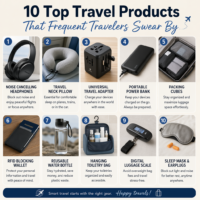
If you’re planning ahead, keep a lightweight packing list, a compact first aid kit, and a digital copy of essential documents. With thoughtful preparation, your family can enjoy a smoother, more engaging journey from start to finish.