

Table of Contents
- 1. Master the New Airport Security Protocols (2026)
- 2. Securing Mobility Assistance and Legal Rights
- 3. Mastering Digital Tools and Luggage Tracking
- 4. Essential Health and Documentation Preparation
- 5. Support Services Before and During Travel
- Summary: Confidence for Travel Changes 2026
- 1. Mastering New Airport Security and Screening Protocols for 2026
- 2. Securing Mobility Assistance and Legal Protections
- 3. Essential Health and Safety Planning
- 4. Leveraging Technology for Confidence in 2026
- 5. Choosing Age-Appropriate Travel Options and Managing Restrictions
- 6. Utilizing Mobility Assistance and Senior Travel Rights (2026 Airport Rules)
- Final Steps: Mastering Senior Air Travel in 2026
- Summary: Traveling with Confidence in 2026
- Frequently Asked Questions
The landscape of international travel evolves rapidly. For older travelers, navigating the new airport rules and technology introduced in 2026 requires updated strategies. Trafels.com provides this comprehensive guide to ensure seniors can travel with maximum efficiency, comfort, and safety.
Focus on preparation, understanding your rights, and utilizing modern digital tools to maximize your sightseeing time and minimize logistical stress. These travel tips 2026 are essential for senior air travel success.
1. Master the New Airport Security Protocols (2026)
The biggest change for senior air travel in 2026 involves updated security screening and verification methods. Understanding these changes is crucial for avoiding delays. The TSA rules for seniors are designed to be efficient but require preparation.
1.1. Digital Check-in and Facial Recognition Boarding
Many major airlines now mandate Digital Check-in Procedures before arrival. Use the airline’s mobile app (available on Apple or Samsung devices) to upload documentation and receive your boarding passes electronically.

Expect increased use of Facial Recognition Boarding at gates. While this speeds up the process, ensure your passport photo is recent and your identity documents are readily accessible if the system fails. This is now standard at many international airport terminal locations.
1.2. Updated TSA Rules for Screening Exemptions
The TSA continues to offer specialized screening protocols for travelers 75 and older. These new TSA rules allow seniors to keep their shoes and light jackets on during screening, reducing physical strain.
If you have medical devices, prescription liquids, or implants, carry clear documentation. The rules allow exemptions for liquids and footwear related to medical necessity, but you must declare them beforehand. Be polite but firm about your right to specialized Security screening if needed.
2. Securing Mobility Assistance and Legal Rights
Senior air travel should prioritize comfort and dignity. You have significant legal rights regarding assistance, often overlooked by older travelers. Know your rights regarding Mobility Assistance Rights before you leave home.
2.1. Requesting Wheelchair Assistance and Skycap Help

Always pre-book wheelchair assistance through your airline 48 to 72 hours in advance. This service is free and ensures help from the curb to the gate, and upon arrival.
Do not limit your request to just a wheelchair. Request full Airport assistance which includes priority check-in, expedited movement through the Airport security line, and luggage handling (often handled by a Skycap).
Remember that federal regulations protect your right to this support throughout the entire airport process, regardless of the specific Airline Policies.
3. Mastering Digital Tools and Luggage Tracking
Modern technology offers powerful travel hacks to reduce stress and improve safety. Utilizing simple digital tools is essential for flying after 70 in 2026.
3.1. Essential Tech for Documentation and Tracking
Use cloud services like Dropbox or Google Drive to store copies of your passport, visas, and medical forms. Accessing these documents via your mobile phone is faster than digging through physical files.
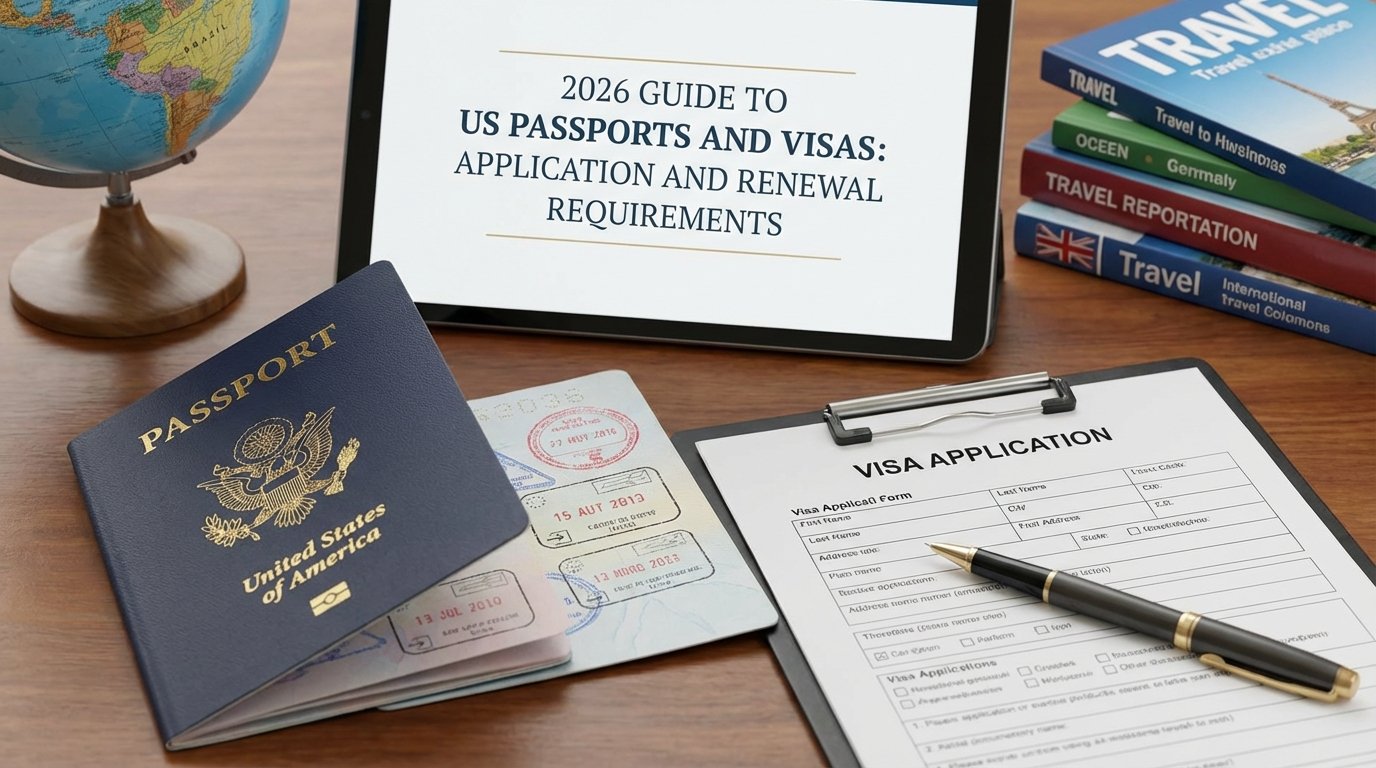
Invest in Luggage Tracking Technology. Devices like Apple AirTag or Tile placed in checked bags allow you to track luggage in real-time, providing significant peace of mind. This is a crucial safety measure when navigating busy airport terminal spaces.
3.2. Simplifying Itinerary Management
Share your itinerary and crucial contact information using Emergency Itinerary Sharing with family members. Apps like WhatsApp or simple email via Chrome, Firefox, or Edge ensure multiple people know your location.
Use apps like Uber or local taxi apps for pre-arranged ground transportation rather than relying on finding a cab upon arrival. This minimizes confusion and physical stress after a long flight.
4. Essential Health and Documentation Preparation
For senior flying, health documentation is as critical as your passport. Advance planning prevents unexpected denial of service or boarding issues, particularly if you are flying after 70.
4.1. Required Medical Certifications for Older Travelers
If you are over 75 or have recent health changes, secure a physician’s note or a specific “fitness-to-travel” form. Some Airline Policies for Passengers over 70 require this for long-haul flights or specific destinations, especially following updated COVID-19 protocols.
Ensure all prescription medications are in their original containers and carry a signed letter from your doctor detailing dosage and necessity. This avoids issues during Security screening overseas.
4.2. Mandatory Travel Insurance and Age Restrictions
Travel insurance is non-negotiable for older travelers. Look specifically for plans offering comprehensive coverage for medical emergencies abroad and trip cancellations.
Be aware of specific Travel Limitations and Age-Related Restrictions for Seniors Over 75. For example, certain countries (such as those in the UK) or cruise lines may impose age limits for car rentals or require explicit medical clearance before accepting a booking. Review policies carefully to ensure compliance.
5. Support Services Before and During Travel

You do not have to plan complex trips alone. Utilizing professional support services can drastically reduce the logistical burden of international travel logistics.
5.1. Utilizing Travel Agents and Senior Tours
For complicated itineraries or multi-country trips, consider working with a specialized travel agent. They handle the complex requirements, like securing the necessary Electronic Travel Authorisation (ETA), and managing varying Visa and Visitor Requirements Updates.
Senior Travel Group Organization or cruises are ideal options. Providers like Rick Steves or specialized cruise lines offer comprehensive support, guidance, and reduced logistical stress, often covering the Single Supplement Fee.
While independent travel is rewarding, supported travel ensures immediate assistance if physical or cognitive limitations arise.
Summary: Confidence for Travel Changes 2026
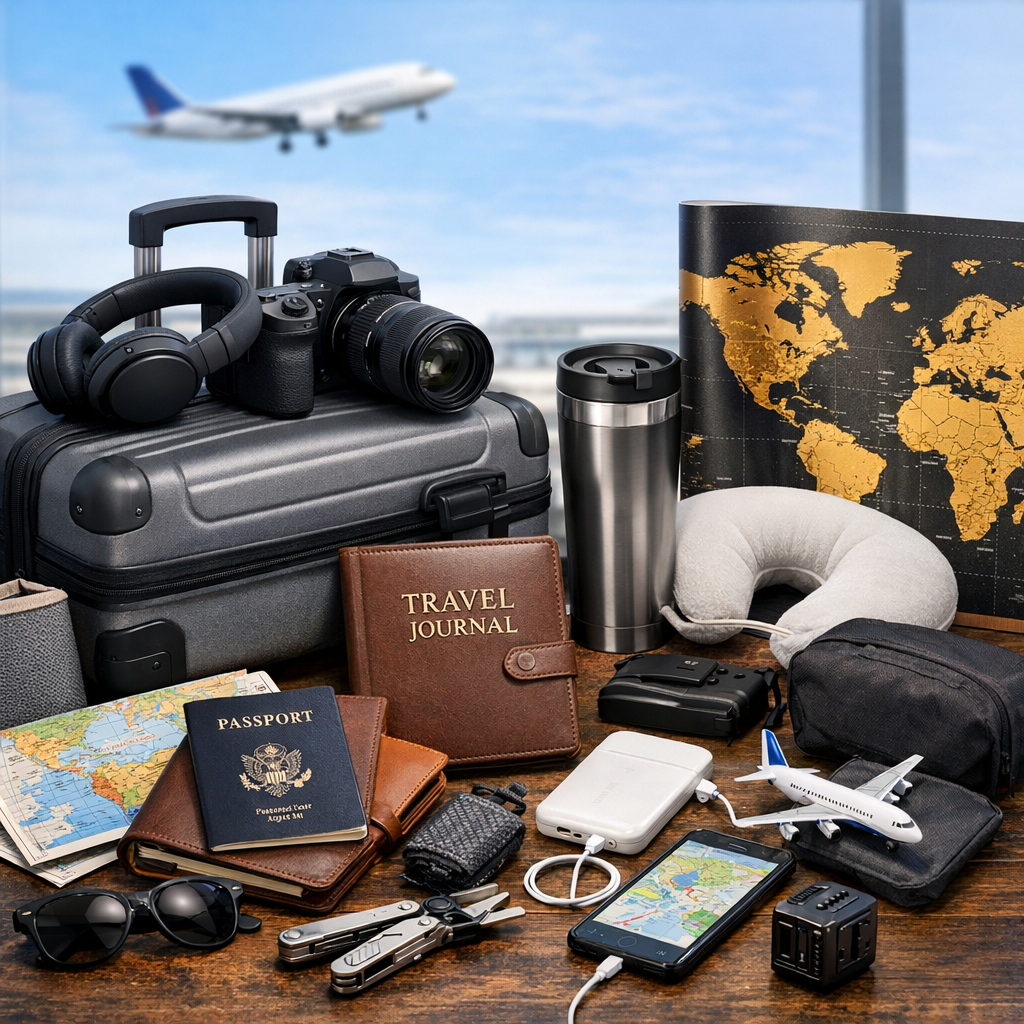
Navigating the travel changes 2026 requires adopting new habits, from utilizing Digital Check-in Procedures to actively requesting Mobility assistance. By mastering the new airport rules and preparing your health documentation, you ensure your next trip is efficient, safe, and enjoyable. Preparation is the key to confident senior flying.
1. Mastering New Airport Security and Screening Protocols for 2026
For those flying after 70, navigating the new airport rules implemented in 2026 requires updated knowledge. Automated systems are now standard in the airport terminal.
Understanding the latest TSA rules for seniors is your first step toward a seamless journey. Preparation is key to maximizing efficiency and comfort.
New Security Screening Protocols and Exemptions
Many major hubs are expanding the use of advanced screening technologies, including mandatory facial recognition for identity verification and boarding.
While this speeds up the process, older travelers should know their rights. If you are uncomfortable or experience difficulty with biometric screening, you can request alternative methods.
The New TSA Rules provide specific accommodations for senior air travel. Travelers aged 75 and older often receive expedited security screening.
This means you usually bypass removing shoes, light jackets, and belts, significantly easing the process.
Always inform the security officer immediately if you require special consideration or have internal medical devices. You are entitled to exemptions for medically necessary items and certain liquids.
Understanding Your Mobility Assistance Rights
Do not hesitate to request comprehensive airport assistance. Legal protections mandate support that goes beyond basic wheelchair assistance.
You can request mobility assistance from the curb, through check-in, and all the way to the gate.
Be sure to check specific airline policies for passengers over 70 and notify them at least 48 hours before departure to guarantee support.
Utilizing Digital Check-in Procedures
Airlines strongly encourage Digital Check-in Procedures to reduce counter wait times and manage crowds in the busy airport terminal.
You can often check in, select seats, and receive your mobile boarding passes using the airline’s application on your smartphone or tablet.
Utilizing digital check-ins via web browsers like Chrome or Firefox on a device, such as a Samsung tablet, minimizes contact points and reduces the risk of misplacing documents.
This is one of the most effective travel hacks for efficient travel in 2026.
Many older travelers find helpful tutorials on YouTube channels, such as The Terminal Traveler, for mastering these electronic processes.
2. Securing Mobility Assistance and Legal Protections
For those navigating the complexities of senior air travel in 2026, understanding your rights to support is paramount. Requesting mobility assistance is not a burden; it is a guaranteed right that ensures smooth passage through the airport terminal and efficient travel.
Understanding Your Mobility Assistance Rights
Many older travelers mistakenly believe their only option is basic wheelchair assistance upon arrival. Legal protections, however, guarantee comprehensive support beyond simple aid.
This includes assistance navigating the entire chain of airport procedures, from the curb, through security, and directly to the gate. Staff must also help with carry-on luggage and ensure you receive priority boarding.
Always pre-book this crucial service with the airline at least 72 hours in advance, often during the Digital Check-in Procedures. Confirm the service again at the check-in desk.
If you feel your rights are being overlooked, politely remind airline or TSA staff of your entitlement under federal Mobility Assistance Rights.
Utilizing Dedicated Airport Support Services
The TSA rules for seniors offer significant time-saving benefits, especially for those flying after 70. Seniors aged 75 and older are eligible for expedited security screening without needing to remove shoes or light jackets.
Utilize Skycap services outside the airport terminal for immediate luggage handling. This is an excellent travel hack for managing heavy bags before you even reach the check-in counter.
These dedicated services drastically reduce the physical strain associated with navigating the new airport rules implemented in 2026.
Planning for Accessible Accommodations
When planning your itinerary, prioritize wheelchair-friendly hotels and accessible transportation options. This preparation is a key component of successful senior flying.
Check accessibility resources before you book. Reliable sources, such as travel guides published by Rick Steves, often highlight accessible routes and accommodations globally, aiding older travelers in their planning.
Ensuring accessibility from the flight to the hotel is essential for comfort and safety throughout your journey. This attention to detail is part of maximizing efficiency within the 2026 airport rules context.
3. Essential Health and Safety Planning
Health preparation is the most critical element of successful Senior air travel. Proper documentation and robust insurance coverage are non-negotiable for international trips in 2026.
As Travel changes 2026 introduce new global health protocols, planning ahead ensures a smooth journey and maximum safety for older travelers.
Critical Medical Documentation for Flying After 70
For Flying after 70, carrying comprehensive medical documentation is vital. This includes an up-to-date list of all medications, dosages, and relevant conditions.
If you are over 75 or have pre-existing conditions, check airline or cruise line policies. Many now require a recent “fitness-to-travel” form or advance medical certification from a physician.
This requirement is critical post-COVID-19, as international health protocols remain fluid. Always keep digital copies of your medical records stored securely using a service like Dropbox, alongside physical copies, in case of emergencies abroad.
Mandatory Specialized Travel Insurance
Travel insurance necessities for seniors differ significantly from standard policies. Due to the high potential cost of international hospitalization and medical evacuation, specialized plans are essential.
Standard policies often have low caps for emergencies. Look specifically for coverage tailored to travelers over 75, which offers comprehensive protection for severe medical events.
This protection is crucial for mitigating risks associated with unforeseen health issues or disruptions, ensuring that significant investments in cruises or tours are protected under robust trip cancellation coverage.
Always review the fine print regarding pre-existing conditions and ensure your policy covers the full duration of your journey, providing peace of mind during your Senior flying experience.
4. Leveraging Technology for Confidence in 2026
Technology simplifies logistics, enhances safety, and helps manage travel documents efficiently, significantly reducing the cognitive load on older travelers.
Utilizing modern digital tools is essential for smooth Senior air travel. These advancements help you navigate complex 2026 airport rules and ensure maximum efficiency.
Streamlining the Journey with Digital Check-ins
Avoid long queues and confusion by mastering Digital Check-in Procedures. Most major airlines offer robust mobile apps for quick, self-service check-in.
Using the app generates your mobile Boarding passes, minimizing physical documents you need to manage. This is a crucial travel hack for navigating a busy Airport terminal efficiently.
Familiarity with digital processes can also minimize interaction with new systems like automated Facial recognition gates, which are becoming standard in 2026.
Utilizing Luggage Tracking Technology
Lost luggage is a major source of stress for Seniors travel. Modern Luggage Tracking Technology has made this issue nearly obsolete and provides immediate peace of mind.
Placing inexpensive devices like the Apple AirTag or Tile inside checked bags allows real-time monitoring via a smartphone or tablet.
This simple step significantly speeds up recovery if a bag is temporarily misplaced during transit, ensuring your essential items arrive with you.
Secure Digital Document Management
While having physical copies is always necessary, keeping robust digital backups is smart for all Older travelers. Use secure cloud services like Dropbox or Google Drive to store copies of your passport, visa information, and detailed itinerary.
This digital safety net is particularly useful when dealing with new international requirements, such as the Electronic Travel Authorisation (ETA) for visitors entering the UK.
Always share your complete emergency itinerary and contact list with a trusted family member through a secure channel before departure. This ensures support if you encounter unexpected Travel changes 2026.
5. Choosing Age-Appropriate Travel Options and Managing Restrictions
Choosing the right travel style and understanding potential age-related limitations ensures your journey remains enjoyable, comfortable, and compliant with all Travel rules for seniors in 2026.
Senior Travel Group Organization and Cruises
For older travelers seeking companionship and reduced logistical hassle, organized trips are ideal. Options like Senior Travel Group Organization or cruises handle transportation, accommodation, and complex itinerary planning, minimizing stress and maximizing enjoyment.
If you are traveling alone, be aware of the Single Supplement Fee often charged by tour operators. This can significantly impact your Travel Budget Inflation for Comfort calculations.
Cruising remains popular, but many lines have strict Airline Policies for Passengers over 70. Travelers over a certain age (often 80 or 85) may require medical clearance before booking, especially for lengthy voyages or international routes. Always confirm specific requirements.
Navigating Age-Related Travel Restrictions in 2026
Travelers Flying after 70 must be aware of specific destination limitations. Some countries impose age limits on car rentals, requiring extensive paperwork or denying coverage entirely for travelers over 75.
Furthermore, obtaining certain long-stay visas or securing complex health insurance can become more difficult with age. Always investigate the specific Visa and Visitor Requirements Updates for your destination far in advance of your departure date.
This proactive approach prevents disappointment and avoids triggering severe Denied Boarding Protocols due to inadequate documentation or health certification.
Mandatory Medical Certification for Senior Air Travel
Understanding Medical and Mobility Requirements Explained is crucial for smooth Senior air travel in 2026. For those with pre-existing conditions, obtaining a ‘fitness-to-travel’ form from your doctor is highly recommended, especially for long-haul flights.
Ensure all medication is properly documented and kept in original containers. If you require specialized equipment or continuous oxygen, you must notify the airline during the Digital Check-in Procedures process, often 48 to 72 hours prior to departure, as per strict Airline Policies.
Essential Travel Insurance for Travelers Over 75
Travel insurance is not optional for Older travelers; it is essential protection. Plans tailored for seniors must cover medical emergencies abroad and trip cancellations, which are common concerns for those Flying after 70.
Look for policies that specifically cover pre-existing conditions. Many reliable providers offer comprehensive coverage for 75+ travelers, provided the policy is purchased immediately after booking your flights or tour.
Adequate insurance provides peace of mind, ensuring that unexpected health issues or changes in 2026 airport rules do not result in catastrophic financial loss.
6. Utilizing Mobility Assistance and Senior Travel Rights (2026 Airport Rules)
Utilizing specialized Airport assistance is crucial for efficient Senior air travel. Understanding your legal rights ensures you receive the highest level of support under the 2026 airport rules.
For Flying after 70, pre-booking specific services like Wheelchair assistance and contacting the TSA directly for security screening guidance can eliminate major stress points in the airport terminal.
The following comparison details the essential services available to older travelers seeking Mobility assistance.
| Service | Booking Requirement | Benefit for Older Travelers | Provider |
|---|---|---|---|
| Wheelchair Assistance | Required 48-72 hours prior | Guaranteed transport from curb to gate, and vice versa. | Airline |
| TSA Cares Line | Recommended 72 hours prior | Pre-arranged guided passage through security screening. | TSA |
| Skycap/Luggage Help | Available upon arrival | Curbside check-in and luggage handling, avoiding long queues. | Airport/Airline Contractor |
| Priority Boarding | Pre-booked or requested at gate | Extra time to settle into the seat and store carry-ons. | Airline |
TSA Rules for Seniors: Expedited Security Screening
The TSA offers specialized support, including the TSA Cares line, which is highly recommended for Seniors travel. If you are 75 or older, you are automatically eligible for less intrusive Security screening.
This means you generally do not need to remove shoes or light jackets, simplifying the process and adhering to the New TSA rules.
Always call the TSA Cares helpline 72 hours before your flight to arrange a Passenger Support Specialist. This specialist guides you through the security process, ensuring compliance while minimizing physical demands.
Maximizing Curbside and Gate Support
Do not underestimate the value of Skycap/Luggage Help. This service allows for Digital check-ins beforehand and then handling large luggage directly at the curb, bypassing long check-in queues inside the airport terminal.
Priority Boarding is another vital service for older travelers. It gives you necessary extra time to settle into your seat, arrange carry-ons, and minimize exposure to crowded jetways, making the transition much smoother.
These essential services are part of your rights under Airline policies and should be requested immediately upon booking your trip.
Final Steps: Mastering Senior Air Travel in 2026
Successful Senior air travel requires synthesizing all the information: understanding New airport rules, utilizing legal protections, and leveraging modern technology. These final steps consolidate your preparation for a stress-free experience.
Securing Your Journey: Essential Senior Travel Insurance
For older travelers, comprehensive travel insurance is non-negotiable. Ensure your policy covers international medical emergencies and trip cancellations, especially if you are flying after 70.
Look for tailored plans designed for travelers aged 75 and above. These specialized options address pre-existing conditions and offer higher limits for medical evacuation, providing critical financial security against unexpected costs during your journey.
Mandatory Health Documentation for Flying After 70
Meticulous health preparation is critical under the current 2026 airport rules. Always carry current medication documentation and a letter from your physician detailing necessary medical equipment or prescriptions.
If you are over 75 or have significant health issues, some Airline policies may require a fitness-to-travel form or advance medical certification. Have these documents ready to ensure smooth Airport procedures and avoid delays during Security screening.
Utilizing Digital Check-ins and Tracking Tools
Embrace technology to simplify your transit. Complete Digital Check-in Procedures using airline apps before you leave home to avoid lines at the Airport terminal.
Modern Travel hacks involve using luggage tracking technology. Devices like Apple AirTag or Tile provide real-time location data for your bags. Keep digital copies of your Boarding passes and passport on your phone, backed up via cloud services like Google or Dropbox.
Leveraging Expert Support and Advanced TSA Protocols
Don’t overlook dedicated support systems. Using a specialized travel agent can simplify complex international logistics, especially concerning Travel rules for seniors and visa requirements.
Remember TSA rules for seniors: travelers aged 75 and older are eligible for expedited screening, often without needing to remove shoes or light jackets. Utilize Skycap services for luggage handling immediately upon arrival at the curb, supplementing any pre-arranged Wheelchair assistance or Mobility assistance.
Understanding Age-Related Travel Limitations
Be aware that certain destinations and providers impose age restrictions. Some countries or rental agencies place limits on car rentals for drivers flying after 70 or 75.
Cruises and certain adventure tours might require medical clearance for older participants. Always check Airline policies and destination entry requirements well in advance of booking to prevent last-minute complications.
Summary: Traveling with Confidence in 2026
For senior flying in 2026, confidence stems from preparation. Adapt to the New airport rules by embracing technology for check-ins and luggage tracking.
Know your legal entitlements for Airport assistance, and never underestimate the value of specialized travel insurance and meticulous health documentation. By planning for comfort and acknowledging physical limitations, these Travel tips 2026 become manageable strategies, enabling you to focus entirely on the enjoyment of your destination.
Expert Insight: “The biggest hurdle for senior travelers is not the destination, but the transition through the airport. Pre-arranging all mobility and medical needs removes 90 percent of the stress associated with modern air travel.”
Frequently Asked Questions
What are the New TSA Rules for Seniors Over 75 in 2026?
The New TSA rules for Seniors travel allow travelers aged 75 and older to maintain certain exemptions during Security screening. You can typically keep your shoes and light jackets on.
While Facial recognition technology is expanding in 2026, seniors can still request a traditional pat-down instead of using Advanced Imaging Technology. Always confirm these Travel rules for seniors with the officer before proceeding through Airport security.
How Far in Advance Should I Request Wheelchair Assistance?
For guaranteed Mobility assistance, request Wheelchair assistance immediately when booking your ticket. Reconfirm this service with the airline 48 to 72 hours before your departure time.
Understanding your legal rights to Airport assistance ensures the service is properly documented and available the moment you arrive at the Airport terminal. This is a crucial step for stress-free Senior air travel.
Do I Need Specialized Travel Insurance When Flying After 70?
Absolutely. Specialized travel insurance is non-negotiable for Older travelers. Standard policies often exclude coverage for pre-existing medical conditions, which is essential when Flying after 70.
Look for comprehensive plans that specifically cover emergency medical evacuation and robust trip cancellation. Ensure the policy meets the high standards required for Travel changes 2026 and covers Medical and Mobility Requirements Explained.
What Medical Documentation is Required for Senior Flying?
For extended trips or complex health conditions, always carry a doctor’s note or “fitness-to-travel” form, especially if you are Flying after 70. This is critical for meeting Airline policies and customs requirements.
Ensure all prescription medications are in their original packaging with corresponding documentation. This preparation minimizes delays during Airport procedures and protects you legally.
Are There Age Limits for Renting Cars Internationally?
Yes, age restrictions are common. Countries, particularly the UK and regions of Europe, may impose restrictions or require special high-cost insurance for drivers over 70 or 75.
Always review the rental company’s specific Airline policies and the laws of your destination before relying on a rental car. This is a vital part of your Essential travel guide planning.
What Digital Tools Should Older Travelers Use for Confidence?
Utilizing technology is a key Travel hack for Seniors travel in 2026. Use devices like Apple AirTag or Tile for real-time luggage tracking.
Always use airline apps for seamless Digital check-ins and mobile Boarding passes. For secure document storage, upload copies of your passport and medical forms to services like Dropbox or Google Drive. Ensure your browser (Chrome, Firefox, or Edge) is updated on your Samsung device or other smartphone for smooth transactions.
How Can Travel Agents or Senior Tours Simplify Travel?
If independent planning seems overwhelming, specialized Travel Agents focusing on Seniors travel can manage all logistics, including securing Mobility assistance and managing complex visas.
Joining a Senior Travel Group Organization or cruise reduces stress by providing structured itineraries and immediate support, ensuring a safe and guided experience for Older travelers navigating the New airport rules.
Summary: Mastering Senior Air Travel in 2026
Successful Senior air travel requires preparation and leveraging key resources. By understanding the New TSA rules, prioritizing specialized insurance, and utilizing modern Luggage Tracking Technology, you can minimize travel stress.
Always confirm your Airport assistance needs early and keep digital copies of essential documents. These simple Travel tips 2026 ensure you travel with maximum efficiency and confidence.