


Mastering the Travel Itinerary Format
Table of Contents
- 1. What Exactly is a Travel Itinerary?
- 2. Essential Components of a Detailed Trip Organization
- 3. Choosing the Right Itinerary Templates and Format
- 4. Step-by-Step Guide: How to Create Your Trip Itinerary
- 5. Sharing and Managing Your Travel Schedule Planning
- 6. Benefits of Using a Structured Vacation Itinerary
- 1. Defining the Core Value: What is a Travel Itinerary?
- 2. Essential Elements: Key Components of Your Travel Itinerary
- 3. Choosing Your Format: Multi-Format Template Availability
- 4. Step-by-Step Guide to Create Your Itinerary
- 5. Maximizing Your Trip: Using and Sharing Your Itinerary
- 6. Maximizing Satisfaction: The Proven Benefits of Detailed Trip Organization
- 7. Choosing Your Itinerary Planner: Templates and Tools
- 8. Defining Your Travel Schedule Planning Foundation
- 9. Steps to Create Itinerary Templates Effectively
- 10. Maximizing Utility: Using and Sharing Your Trip Itinerary
- 8. Frequently Asked Questions
- 9. Defining the Travel Itinerary
- 10. Key Components of a Comprehensive Vacation Itinerary
- 11. Choosing the Right Itinerary Template Format
- 12. Steps to Create a Seamless Travel Schedule
- 13. Benefits and Sharing Your Final Plan
- 14. Leveraging Customizable Graphic Design Software
- 15. Summary: Finalizing Your Detailed Trip Organization
Effective trip planning starts with a robust travel itinerary. Whether you are organizing a quick weekend getaway or a complex multi-destination tour, having a structured plan is crucial for maximizing your time and minimizing stress.
This guide provides a sample format and explains how to leverage modern itinerary templates for seamless travel. Learn how to create itinerary documents that keep every detail perfectly organized.
1. What Exactly is a Travel Itinerary?


A travel itinerary is essentially a detailed schedule that serves as the backbone of your trip planning. It outlines all essential trip information in a comprehensive, chronological format.
Studies show that structured itineraries help travelers stay highly organized and prepared, reducing last-minute confusion.
Definition and Purpose of a Vacation Itinerary
Your vacation itinerary acts as a central hub for all logistical data. This includes key items like flights, accommodation details, local transportation, and planned activities.
The primary purpose is to ensure efficient time management and provide a clear, step-by-step roadmap for your entire journey. Utilizing a robust itinerary planner ensures you never miss a booking or deadline.
2. Essential Components of a Detailed Trip Organization
For truly effective Detailed Trip Organization, your itinerary must include specific categories of information. Organizing these elements in chronological order is key to clarity.
Key Components of a Travel Itinerary

A professional trip itinerary should cover these critical sections:
- Travel Schedule Planning: Specific flight or train details, including confirmation numbers and departure/arrival times.
- Accommodation: Hotel or rental addresses, check-in/check-out times, and reservation tracking codes.
- Daily Activities: Time-stamped plans for sightseeing, tours, and restaurant reservations.
- Transportation Arrangements: Notes on car rentals, pre-booked transfers, or public transit routes.
- Emergency Contacts: Local embassy details, insurance information, and phone numbers for travel companions.
Proper Reservation Tracking means every confirmation number is easily accessible, avoiding stressful searches when you arrive at your destination.
3. Choosing the Right Itinerary Templates and Format
Modern travel planning offers numerous format options. Choosing the right template depends entirely on your comfort level with editing and sharing the document.
Multi-Format Template Availability
Templates are widely available in formats that suit every user. You can find robust itinerary templates designed for simple text editing or complex graphic design.
- Text/Spreadsheet Formats: Use familiar tools like Microsoft Word (for a printable Word template) or Microsoft Excel (for budgeting and chronological organization via an Excel template).
- Shareable Documents: Google Sheets offers real-time collaboration, making it ideal for sharing the travel itinerary with companions.
- Portable Documents: Saving the final plan as a Portable Document Format (PDF template) ensures the formatting remains locked and is easy to view on any device.
Leveraging Graphic Design Tools for Customization
For travelers prioritizing visual appeal, platforms like Canva offer excellent solutions. Canva templates are highly sought after because they are fully customizable templates.
Using Canva, a popular graphic design software, you access a user friendly design editor. You can easily modify the template customization, upload photos, and add elements to create a unique visual document.
Many reliable sources, such as TemplateLab, offer thousands of free templates that you can download file versions of immediately, often including PNG download and JPG format options.
4. Step-by-Step Guide: How to Create Your Trip Itinerary
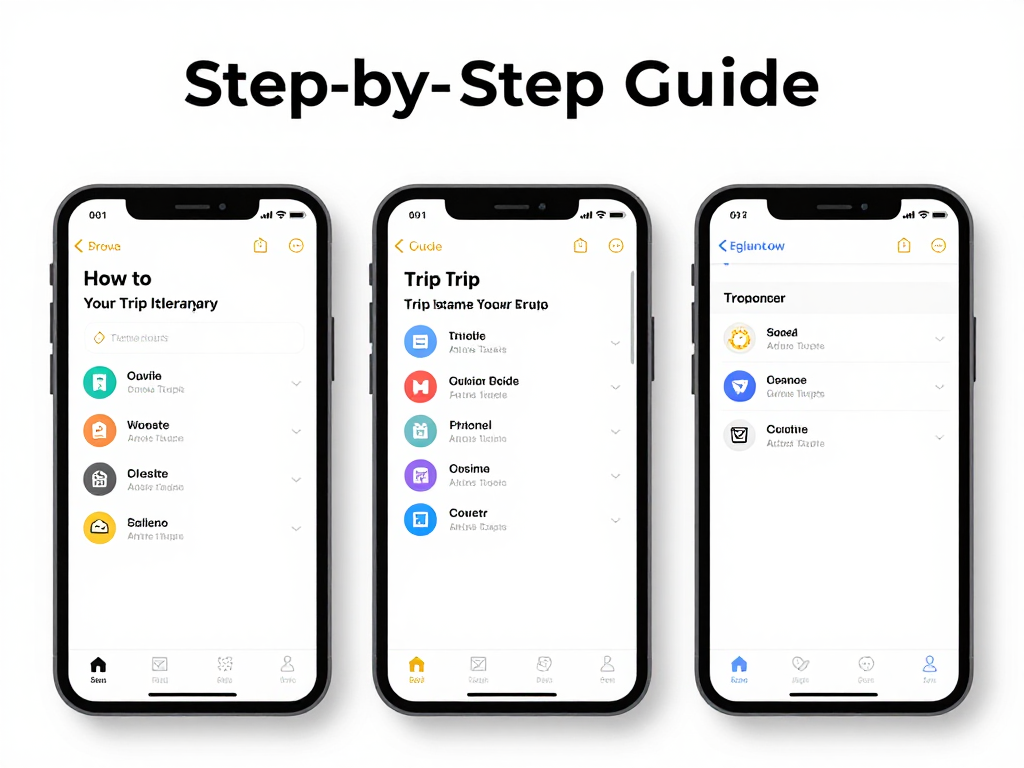
Creating a detailed trip itinerary involves a structured process. By following these steps, you ensure all necessary details are captured accurately before you travel.
Detailed Steps to Create Itinerary
First, gather all confirmed details. This includes all flight booking confirmations, hotel addresses, and pre-purchased activity tickets. This initial collection simplifies the subsequent organization.
Next, organize this information chronologically. Structure the plan day-by-day, and hour-by-hour where necessary, detailing the entire Travel Schedule Planning.
Then, utilize your chosen format, whether a Microsoft Excel sheet or a Canva template, to input the data. Customize design elements based on the specific type of trip you are taking, such as a business trip versus a relaxing vacation.

Finally, review the entire document for accuracy. Save the final version as a digital output file, ensuring you have both digital and printed copies.
5. Sharing and Managing Your Travel Schedule Planning
The effectiveness of your travel itinerary hinges on its accessibility. Managing and sharing the document correctly ensures everyone involved is informed and ready.
Best Practices for Itinerary Management
Maintain both a digital copy (like a Google Sheet or PDF template saved to your phone) and a printed copy. This protects you if your device loses power or connectivity.
Immediately share the full trip itinerary with all travel companions. If using a collaborative tool, update the itinerary in real-time as plans change.
Use the itinerary actively to manage your time and stay within your budget. This dynamic approach to travel planning prevents unexpected overruns and keeps the journey flowing smoothly.

For design-focused sharing, generating a high-quality Portable Network Graphics (PNG download) or Joint Photographic Experts Group (JPG format) file from your Canva account makes sharing on social media or messaging apps quick and easy.
6. Benefits of Using a Structured Vacation Itinerary
Investing time in creating a detailed itinerary planner yields substantial returns, transforming a potentially chaotic trip into a streamlined adventure. Organized travelers consistently report higher satisfaction.
Why Structured Planning Reduces Stress
Using a structured plan helps you stay organized, which is the number one factor in reducing travel stress. You eliminate the constant need to search for addresses or confirmation numbers.
A good vacation itinerary maximizes your time by ensuring efficient transitions between activities. This prevents wasted hours and avoids missed bookings, safeguarding your investments.
By using customizable templates, you improve the overall travel experience, ensuring that your focus remains on enjoyment, not logistics. This careful trip planning is essential for successful travel.
1. Defining the Core Value: What is a Travel Itinerary?

A travel itinerary is your comprehensive roadmap for any journey. It is a detailed schedule that outlines all essential information, transforming abstract travel ideas into concrete steps for successful trip planning.
This document consolidates key logistics: flight times, accommodation addresses, ground transportation, and planned activities. Competitors define this structure as essential Travel Schedule Planning, ensuring every necessary detail is accessible in one centralized place.
Why is this crucial? Studies show that structured itineraries significantly help travelers stay organized and prepared. By utilizing a clear itinerary planner, you immediately reduce the likelihood of missed connections or forgotten bookings.
Achieving this level of Detailed Trip Organization is the primary purpose. A well-formatted vacation itinerary maximizes your time, minimizes stress, and improves your overall travel experience.
Expert Insight
“Our data shows that travelers with personalized itineraries fit 30 to 40 % more meaningful experiences into the same timeframe. Stress reduction follows naturally.”, says Michael Melichar, Co-Founder of Triptimize
2. Essential Elements: Key Components of Your Travel Itinerary

A successful trip planning process hinges on the structure of your travel itinerary. Whether you are drafting a simple weekend getaway or a complex multi-country schedule, certain details are non-negotiable for maximizing time and minimizing anxiety.
Organizing these elements logically is critical for Detailed Trip Organization. Studies show structured itineraries help travelers stay organized and prepared, reducing stress when you are navigating new destinations.
Chronological Organization for Clarity
Top travel planners emphasize that clarity is achieved by organizing every component in strict chronological order. This ensures you always know what is next, eliminating the need to search for information while you are on the move.
These are the core components required for any high-quality vacation itinerary or business trip itinerary:
Flight Details and Travel Schedule Planning
-
Include confirmation numbers, exact departure and arrival times, and gate information. Effective Travel Schedule Planning means having airline contact numbers immediately accessible for quick reference.
Accommodation and Reservation Tracking
-
List the full name and address of your lodging, check-in/check-out times, and crucial Reservation Tracking confirmation codes. Knowing these details prevents delays upon arrival.
Ground Transportation Arrangements
-
Detail all pre-booked transfers, rental car pickup information, train schedules, or public transport routes you plan to use. Documenting these logistics smooths transitions between locations.
Activities, Tours, and Bookings
-
Document time slots, addresses, and confirmation details for all planned sightseeing, tours, dinners, or museums. Integrate these activities directly into the chronological flow of your schedule.
Emergency and Contact Information
-
Always include local embassy details, travel insurance policy numbers, and contact information for companions. This is vital for preparedness and safety during all stages of travel planning.
Maintaining these essential components ensures your trip itinerary is a functioning tool, not just a document.
Expert Insight
“Travelers with personalized itineraries fit 30 to 40 % more meaningful experiences into the same timeframe. This shift represents true travel freedom: the ability to explore destinations your way, at your pace, minimizing planning stress.”, says Michael Melichar, Co-Founder of Triptimize
3. Choosing Your Format: Multi-Format Template Availability
The best format for your trip itinerary relies heavily on your editing style and sharing needs. Modern itinerary planner solutions offer immense flexibility, providing access to free templates across numerous platforms.
Studies suggest that selecting the format based on your preference for editing and sharing is crucial for successful Travel Schedule Planning. You need a format that seamlessly fits your trip planning workflow.
Selecting the Right Itinerary Planner Templates
You can find itinerary templates widely available in standard software programs. These customizable templates ensure your vacation itinerary is both functional and easy to update. This demonstrates excellent Multi-Format Template Availability.
The most common choices remain Microsoft Word and Google Sheets due to their accessibility and collaborative features. These formats support effective Template Customization easily for any complex or simple trip.
- Word Template (Microsoft Word): Ideal for text-heavy, narrative itineraries where detailed descriptive notes are needed. This format is highly user friendly for basic editing.
- Excel Template (Microsoft Excel / Google Sheets): Essential for Reservation Tracking and complex time management. Spreadsheet formats are perfect if you require calculations, budgeting, or precise numerical organization.
- Portable Document Format (PDF Template): Best used for sharing a finalized, non-editable version of your travel itinerary with companions or for printing hard copies.
Leveraging Graphic Design Software for Visual Itineraries
For a highly visual and professional look, many travelers utilize graphic design software. Platforms like Canva provide exceptional Canva templates specifically designed for travel schedules.
Using a Canva account allows you to fully customize design, upload photos, and add elements to make your travel itinerary unique. This brings an aesthetic edge to your trip planning documents using a powerful design editor.
Digital Output Generation and Sharing
Once your itinerary templates are complete, you need reliable ways for Digital Output Generation. Using a free graphic design tool like Canva, you can easily use the download file feature to save your design in various formats.
- Portable Document Format (PDF): The standard for sharing a high-quality, finalized document that retains all formatting. This is the optimal PDF template output.
- Joint Photographic Experts Group (JPG Format) / Portable Network Graphics (PNG Download): Excellent for sharing quick snapshots of daily schedules or maps via mobile messaging apps.
Having multiple formats ensures every travel companion can access the plan, regardless of their device or software availability. This maximizes organization and helps you effectively create itinerary documents suitable for all users.
Expert Insight
“Document remediation requires deep expertise in document structures, assistive technology behavior, and regulatory validation; outsourcing this process accelerates turnaround and ensures consistent compliance with WCAG, PDF UA, and Section 508 requirements.”, notes an Accessibility Specialist
4. Step-by-Step Guide to Create Your Itinerary
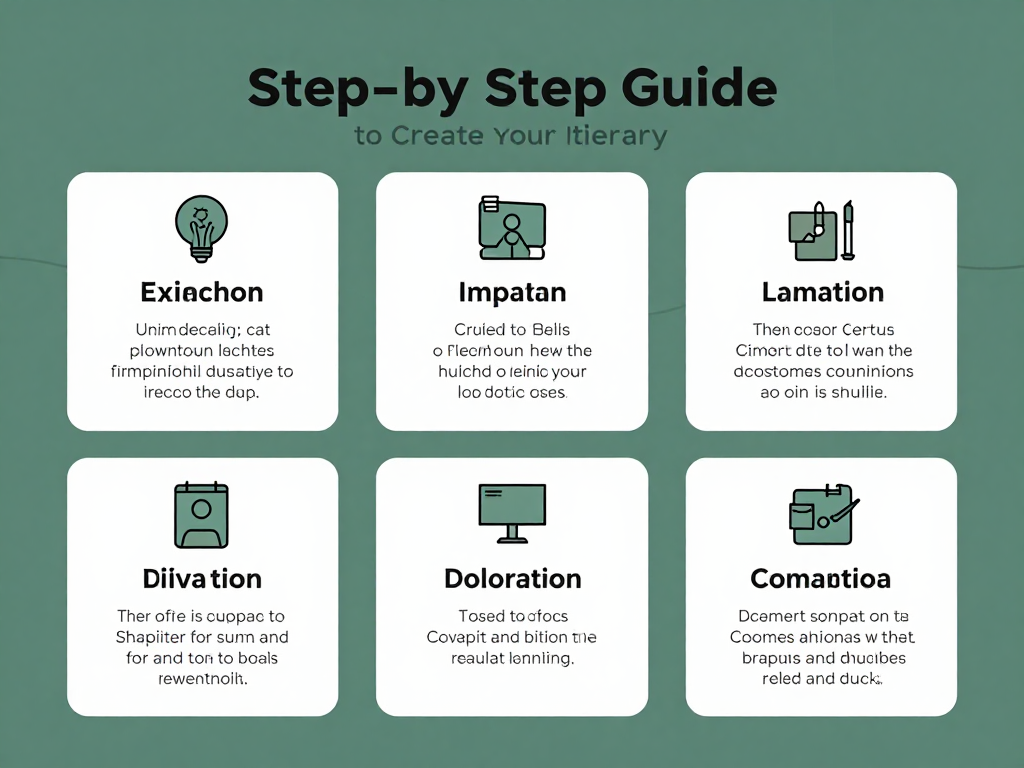
Creating an organized travel itinerary is the foundation of successful trip planning. Following a structured process ensures you capture every essential detail, transforming potential travel chaos into manageable information. This systematic approach is crucial for effective Travel Schedule Planning.
Studies show structured itineraries help travelers stay organized and prepared, maximizing time and reducing stress. Use the steps below to craft a comprehensive vacation itinerary.
4.1. Gather All Confirmation Details (Reservation Tracking)
Before you begin inputting data, you must consolidate all trip documentation. This step involves thorough Reservation Tracking and ensures you have the necessary raw data to successfully create itinerary.
- Collect Essentials: Gather all confirmation emails, ticket numbers, reservation codes, and physical addresses for flights, accommodations, and pre-booked activities.
- Define Key Components: Note the common components required for a robust trip itinerary, including flight details, hotel addresses, transportation arrangements, specific activities, and emergency contacts.
- Utilize Digital Tools: If using an itinerary planner app, input these confirmation numbers immediately to start forming the backbone of your plan.
4.2. Structure and Organize Chronologically (Detailed Trip Organization)
Clarity relies on chronological order. Your itinerary should serve as a detailed timeline, outlining every change in location or activity from the moment you depart until you return.
- Establish the Timeline: Start with the day of departure and list all activities, transportation segments, and accommodation changes in sequential order.
- Include Time Buffers: Always factor in realistic travel times, check-in windows, and waiting periods. This allows for flexibility and avoids missed bookings.
- Ensure Detailed Trip Organization: Organize the information clearly, ensuring flight numbers, gate details, and specific hotel room notes (if available) are included.
4.3. Select and Customize Your Template
The next critical step is selecting the right format. You can choose from numerous free templates available across various platforms, ensuring your plan meets your unique sharing and editing needs.
- Choose a Base Format: Decide between common formats like Microsoft Word, Microsoft Excel, or specialized visual tools like Canva. Studies suggest choosing the format based on user preference for editing and sharing.
- Leverage Customizable Templates: Access high-quality, customizable templates found on platforms like TemplateLab or by utilizing Canva templates.
- Adjust for Trip Type: Customize the layout to suit the trip type. A business trip might require fields for meeting schedules and expense tracking, while a leisure vacation itinerary prioritizes sight-seeing notes and restaurant reservations.
4.4. Enhance Visuals Using Graphic Design Software
If you prefer a visually engaging document, leverage the power of graphic design software to elevate your travel itinerary beyond simple text. Tools like Canva provide a seamless Graphic Design Tool Interface.
Even without professional graphic design skills, the integrated design editor makes it straightforward to customize design elements. You can easily upload photos of destinations, add elements like icons for quick identification (e.g., a plane icon for flights), and use personalized color schemes.
This visual enhancement significantly improves readability and makes the document more engaging for travel companions.
4.5. Finalize, Save, and Share (Digital Output Generation)
The final stage involves rigorous review and ensuring the itinerary is accessible in multiple formats for maximum security and convenience.
- Review and Verify: Double-check all timings, flight details, and addresses. Sharing a draft with travel companions allows for peer review and verification, ensuring accuracy.
- Generate Digital Output: Save the final version in a stable digital format. Highly recommended formats include a non-editable PDF template (Portable Document Format) for sharing, or a PNG download (Portable Network Graphics) or JPG format (Joint Photographic Experts Group) if using free graphic design tools.
- Maintain Backups: Always save the final version in both a digital format (e.g., cloud storage) and a printed copy for backup, addressing the best practice of maintaining digital and printed copies.
5. Maximizing Your Trip: Using and Sharing Your Itinerary
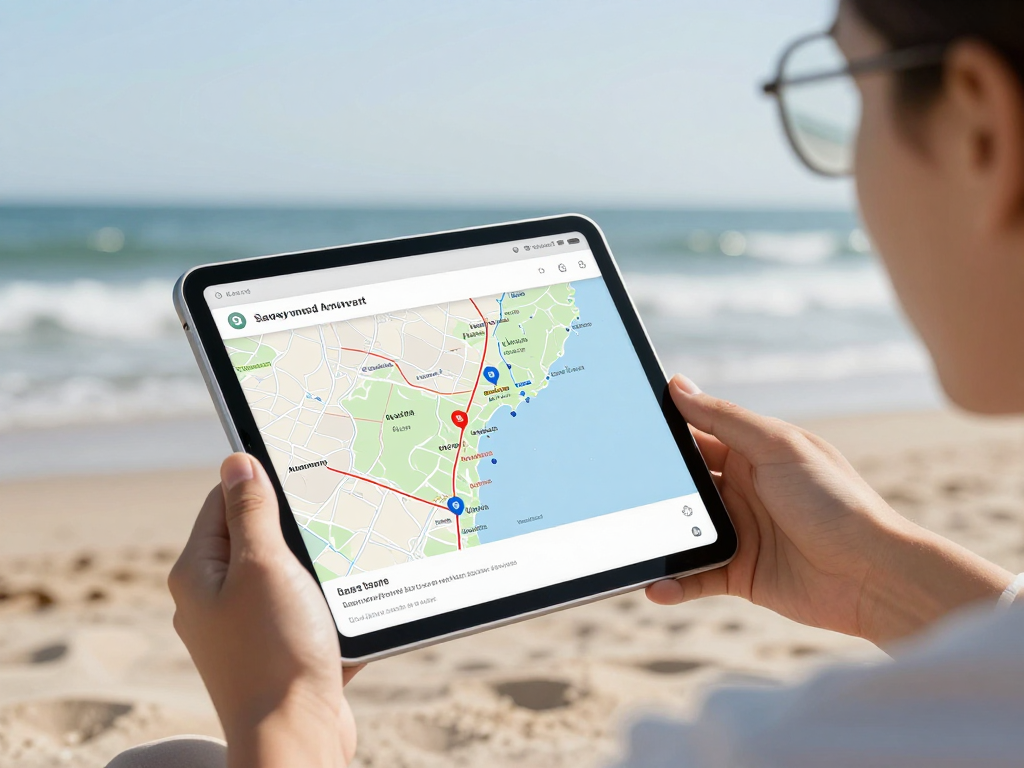
Your travel itinerary is your operational manual. Once created, effective use and sharing are critical for success. Best practices include maintaining availability across multiple formats and utilizing the plan to manage both time and budget effectively.
Digital vs. Physical: Ensuring Access
Studies show structured itineraries help travelers stay organized and prepared. Always maintain both digital and printed copies of your finalized trip itinerary. While a digital version offers convenience for real-time updates, a physical printout ensures access even if your battery dies or connectivity fails.
For reliable digital output generation, save your itinerary in a standardized format. The Portable Document Format (PDF) is highly recommended for static viewing. If you need editability for last-minute changes, utilize Microsoft Word or Microsoft Excel files, especially if you started with free templates or customizable templates from resources like TemplateLab.
Sharing Your Detailed Trip Organization
Sharing your plan with travel companions is crucial for seamless coordination. Use a user friendly method that allows everyone easy access, regardless of their technical skill.
If you used a graphic design software interface like Canva to create your visual itinerary, you can share a view-only link or download the finished file as a high-quality JPG format or PNG download. For collaborative planning, sharing a link to a Google Sheets document ensures real-time updates and efficient Template Customization for all parties.
Leveraging the Itinerary for Travel Schedule Planning
The itinerary is your primary tool for accountability. By allocating specific time blocks for activities and transportation, you maximize your sightseeing opportunities and avoid wasted time, a key goal of effective Travel Schedule Planning.
Regularly reviewing your schedule helps you stick to planned spending, preventing overruns and ensuring a smooth experience. Use your itinerary planner to track costs alongside activities, transforming the document into a comprehensive budget tracker and improving your overall travel experience.
Maintaining the Itinerary as a Living Document
Your vacation itinerary should be viewed as a flexible guide, not a rigid contract. Be prepared to update the document in real-time if flights are delayed or plans change, ensuring your Detailed Trip Organization remains accurate.
If you used an editable format, such as a Word template or Google Sheet, ensure the person making the change updates the master file immediately. This critical step prevents confusion among travel partners and maintains accurate Reservation Tracking throughout the journey.
6. Maximizing Satisfaction: The Proven Benefits of Detailed Trip Organization

Utilizing a structured travel itinerary template offers advantages that directly elevate the quality of your experience. These benefits move beyond simple organization and contribute significantly to overall traveler satisfaction.
Reduce Stress and Uncertainty
A comprehensive trip itinerary acts as your central command center. Effective trip planning using structured itinerary templates drastically reduces the stress associated with uncertainty and last-minute scrambling.
Studies show that travelers who use detailed plans stay significantly more organized and prepared. By having every component mapped out, you eliminate the mental load of constantly checking details.
Maximize Time and Efficiency
When you take the time to create itinerary documents, you are ensuring efficiency. This level of Detailed Trip Organization ensures you maximize time spent enjoying your destination, rather than searching for addresses or confirmation numbers.
This includes essential items like flight details, hotel addresses, and transportation arrangements. Efficient travelers avoid the common pitfalls of missed bookings or logistical confusion.
Improve Overall Travel Experience
Organized travelers consistently report higher satisfaction scores. By using your itinerary planner for Reservation Tracking, you minimize unexpected issues and manage your time and budget effectively.
Whether you use a PDF template, a Word template, or a dynamic tool like a Canva template, the goal remains the same: preparation leads to a superior, smoother journey.
7. Choosing Your Itinerary Planner: Templates and Tools
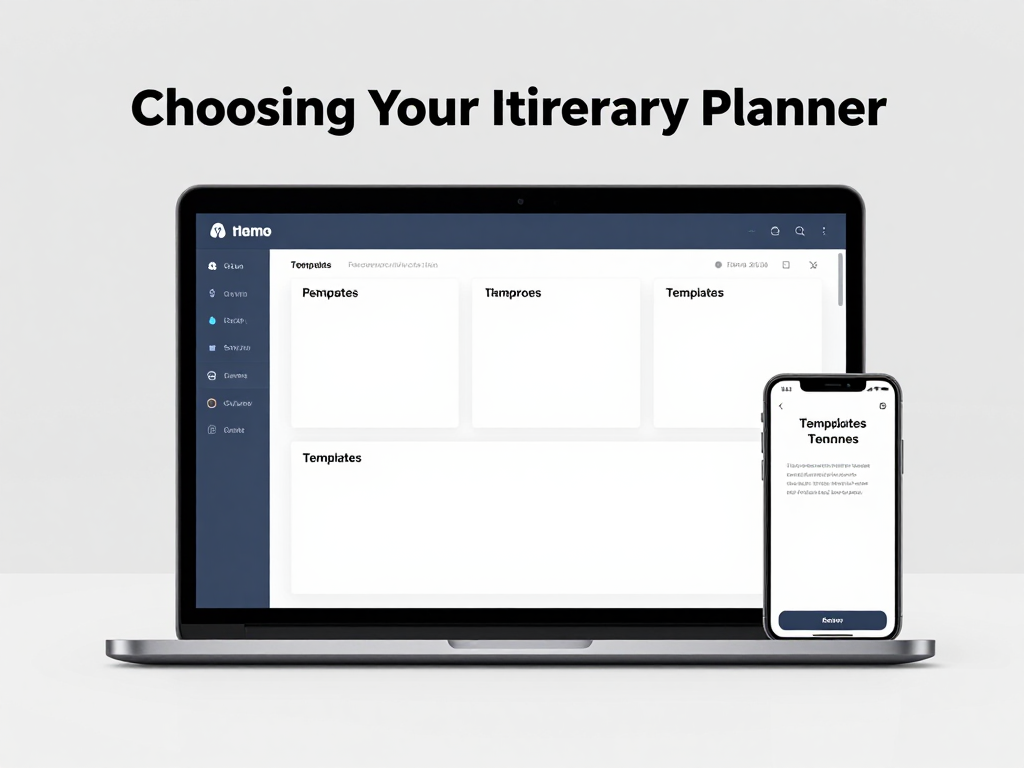
Choosing the right tool for your itinerary planner is crucial for successful trip planning. Different platforms offer specialized features, ranging from simple text documentation to advanced template customization and visual design capabilities.
The table below compares popular options based on their primary output formats and suitability for specific travel itinerary needs.
| Platform/Tool | Multi-Format Template Availability | Customization Level | Best For |
|---|---|---|---|
| Microsoft Word | Word template, Portable Document Format (PDF template) | Basic text and structural edits | Simple, text-heavy business itineraries and printing needs. |
| Microsoft Excel | Excel template, CSV | Advanced data, budget, and time management | Group trips, budget tracking, complex logistics, and Reservation Tracking. |
| Canva | PNG download, JPG format, PDF template | High visual customization, design editor | Visually appealing vacation itinerary, sharing on social media, and quick design using free graphic design features. |
| Google Sheets | Sheets, Portable Document Format | Real-time collaboration and sharing | Collaborative travel planning with multiple users and easy access across devices. |
Template Spotlight: Leveraging Canva for Visual Design
For those prioritizing aesthetics, utilizing Canva templates is an excellent choice. This graphic design software provides an intuitive, user friendly interface, allowing you to quickly customize design elements.
You can easily upload photos, utilize free graphic design features, and add elements to create a stunning final product. This makes generating a highly personalized vacation itinerary simple, resulting in a professional-looking download file instantly.
8. Defining Your Travel Schedule Planning Foundation

Effective trip itinerary creation begins with understanding its core purpose. A travel itinerary is defined as a detailed schedule that outlines essential trip information, including flights, accommodation, transportation, and activities. Studies show structured itineraries help travelers stay organized and prepared, reducing the chance of error.
Key Components of a Robust Trip Itinerary
Every quality itinerary must contain specific details to ensure smooth travel. Common components include flight details, hotel addresses, confirmation numbers, transportation arrangements, planned activities, and critical emergency contacts.
Competitors emphasize organizing these components in strict chronological order for maximum clarity. This sequential arrangement is vital for successful Travel Schedule Planning.
9. Steps to Create Itinerary Templates Effectively

Once you select your format, whether a Word template, Excel template, or a visually rich Canva design, follow these steps to create itinerary documents that work.
First, gather all trip details, including flights, hotels, and pre-booked activities. Next, organize this information chronologically.
Then, customize your chosen itinerary templates based on the specific trip type, ensuring necessary fields like budget tracking (especially in Microsoft Excel) are included. Finally, save the final version as a download file (like a Portable Document Format or PNG download) and print a backup copy.
10. Maximizing Utility: Using and Sharing Your Trip Itinerary

A finalized trip itinerary is only effective if it is accessible and maintained. Best practices include maintaining both digital and printed copies of the schedule.
It is crucial to share the travel itinerary with all travel companions, especially if using collaborative tools like Google Sheets for real-time updates. By actively referencing the schedule, you can use the itinerary to manage time and budget effectively, which improves overall Detailed Trip Organization.
This proactive use and easy sharing, aided by formats like the PDF template or JPG format, ensures everyone stays informed and avoids confusion or missed bookings.
The Proven Value of Detailed Trip Organization
Utilizing itinerary templates directly elevates the quality of your experience. Using a robust travel itinerary helps you stay organized, reduces the stress associated with uncertainty, and maximizes your time spent enjoying the destination.
Studies indicate that organized travelers report higher satisfaction rates because the itinerary helps avoid missed bookings and ensures a smoother execution of the entire travel plan.
8. Frequently Asked Questions
What is a Travel Itinerary and Why Do I Need One? (Definition & Purpose)
A travel itinerary is defined as a detailed schedule that outlines essential trip information chronologically. It covers every major component of your journey, including flights, accommodation, transportation, and planned activities.
The core purpose of the trip itinerary is to provide structure and certainty to your journey. Using a structured plan helps travelers stay organized and prepared, significantly reducing the likelihood of missed connections or bookings.
What are the Key Benefits of Using a Trip Itinerary?
Studies show that using a formal travel itinerary enhances the overall travel experience. The primary benefit is improved organization, which directly contributes to reduced stress during travel planning.
A well-planned vacation itinerary maximizes your time by eliminating confusion about where to go next. It helps you avoid missed bookings and ensures efficient Reservation Tracking, leading to higher traveler satisfaction.
How Detailed Should My Travel Itinerary Be? (Key Components)
Your itinerary should be detailed enough to prevent confusion without needing external lookups while traveling. This level of Detailed Trip Organization requires specific information for every item.
For flights and hotels, always include confirmation codes, full addresses, and exact check-in/check-out times. For activities, list the specific time slot, the location, and the planned transportation method to get there.
Ensure you organize these details in strict chronological order. Also, include emergency contacts and insurance details as essential components of your final plan.
What are the Essential Steps to Create an Itinerary?
Creating an itinerary requires a systematic approach to effective travel planning. First, gather all confirmed details, including flight reservations, hotel bookings, and activity confirmations.
Next, organize these details chronologically using an itinerary planner tool. Customize the plan based on the specific trip type, such as a business trip or a family vacation itinerary.
The final step involves saving the plan using a reliable Digital Output Generation format and sharing it with your companions.
Where Can I Find the Best Free Itinerary Templates?
Many reliable sources offer free templates suitable for various types of trip planning. Platforms like TemplateLab, Microsoft Office online, and Canva provide extensive libraries of high-quality itinerary templates.
Look for Multi-Format Template Availability so you can choose the right tool for editing. Options often include a simple Microsoft Word document, a structured Microsoft Excel spreadsheet, or a collaborative Google Sheet.
These customizable templates save significant time compared to building a schedule from scratch, speeding up your Travel Schedule Planning process.
What are the Benefits of Using Canva Templates for Trip Planning?
Using Canva templates is highly beneficial because they provide a powerful graphic design software interface for visual planning. The platform makes it simple to customize design elements and include visual flair.
You can easily upload photos and add elements using the user-friendly Graphic Design Tool Interface. This visual approach makes your trip itinerary more engaging and easier to read than a plain text document, supported by free graphic design tools.
Is it Better to Use a PDF Template or an Editable File?
It is best practice to maintain both formats. Use an editable file (like a Google Sheet or Microsoft Word document) for initial planning and real-time updates while you create itinerary drafts.
Once the plan is finalized, save and share a Portable Document Format (PDF template) with companions. This ensures the design and structure are locked and easily viewable on any device, guaranteeing consistent presentation.
How Should I Share and Update My Travel Itinerary?
Effective sharing requires maintaining both digital and printed copies, especially when traveling internationally. Share the finalized trip itinerary with all travel companions well in advance.
You should update your itinerary immediately whenever a flight time changes, a reservation is modified, or a new activity is booked. This real-time updating ensures the itinerary remains the reliable source of truth throughout your journey, helping you manage time and budget effectively.
Many modern itinerary planner tools allow you to generate various download file types, such as Portable Network Graphics (PNG download) or Joint Photographic Experts Group (JPG format) for quick sharing on mobile devices, complementing the use of the PDF template.
9. Defining the Travel Itinerary
A structured travel itinerary is the cornerstone of successful trip planning. Studies confirm this detailed schedule outlines every essential trip component chronologically. It provides the necessary structure for your journey.
You need it to track flights, accommodation, transportation, and planned activities. The core purpose of creating a structured trip itinerary is to ensure organization and preparation, which significantly reduces stress and avoids missed bookings.
This level of Detailed Trip Organization is non-negotiable for maximizing your valuable vacation time. Organized travelers consistently report higher satisfaction rates.
10. Key Components of a Comprehensive Vacation Itinerary
To create itinerary documents that truly work, you must include specific, actionable components. Always list flight details, including confirmation codes and gate numbers, well in advance.
For hotels, include the full address, contact number, and exact check-in times. For activities, list the time slot, location, and the method of transportation you will use to get there.
Do not forget Reservation Tracking codes for all major bookings. Organizing these elements in chronological order is crucial for clarity and easy reference during your journey, turning your plan into a reliable checklist.
11. Choosing the Right Itinerary Template Format
Modern travel planning offers diverse options for formatting your schedule. You can find excellent itinerary templates in formats like Microsoft Word, Microsoft Excel, and Google Sheets.
The best format depends on whether you prioritize complex data management (Excel) or simple text formatting (Word). Studies suggest that choosing the format based on user preference for editing and sharing is key.
Many platforms offer Multi-Format Template Availability so you can choose between a basic Word template or a dynamic Excel template. Always consider how easily you can view and edit the file on the go.
12. Steps to Create a Seamless Travel Schedule
Effective Travel Schedule Planning follows a simple, five-step process. First, gather all crucial trip details, including flights, hotels, and pre-booked tours.
Second, use an itinerary planner to organize these details chronologically, day by day. Third, customize the design based on the trip type (e.g., business vs. leisure).
Fourth, save the plan in a secure, shareable format. Finally, remember to update the schedule immediately whenever a reservation is modified or a new activity is added. This real-time updating ensures the itinerary remains a reliable source of truth throughout your journey.
13. Benefits and Sharing Your Final Plan
Utilizing a pre-made vacation itinerary maximizes your enjoyment. The primary benefits include staying highly organized, drastically reducing pre-trip stress, and ensuring you maximize your time at the destination.
Once finalized, you must share your plan with travel companions. It is best practice to maintain an editable file (like a Google Sheet) for last-minute updates.
Then, save and share a locked Portable Document Format (PDF template) with companions. This ensures the design and structure are locked and easily viewable on any device without requiring special software.
14. Leveraging Customizable Graphic Design Software
For travelers who prefer a visual approach, platforms like Canva offer highly customizable templates. Using this graphic design software allows you to easily integrate visual elements into your schedule.
The Graphic Design Tool Interface makes it simple to upload photos and add elements to personalize the look of your schedule. This visual enhancement makes the travel itinerary more engaging and much easier to read than a plain text document.
You can use a free graphic design tool and a basic Canva account to customize design elements quickly. This makes the itinerary planner visually stunning and highly functional.
15. Summary: Finalizing Your Detailed Trip Organization
A successful travel itinerary is the result of meticulous trip planning. By utilizing free templates from reliable sources like TemplateLab and leveraging powerful tools like Canva, you ensure every detail is covered.
Once your plan is perfect, use the Digital Output Generation feature to download file copies. You can save the schedule as a secured PDF template, a high-quality PNG download, or a compressed Joint Photographic Experts Group (JPG format).
This comprehensive approach to Detailed Trip Organization ensures you maximize your time, avoid confusion, and enjoy a stress-free adventure.
References
- Free and customizable itinerary planner templates – Canva
- 16 Best Travel Itinerary Templates [Word, Excel, PDF] – TemplateLab
- Free Trip Itinerary Templates from an Expert – Gather and Go Travel
- 9 Build Itinerary Template ideas to save today – Pinterest
- drop your favorite travel itinerary template? : r/ExecutiveAssistants