
- Key Takeaways
- Redefining Your Ideal Travel Destination
- Destinations Beyond the Postcard
- The Evolving Global Landscape
- Travel with Positive Impact
- Navigating Your Journey
- Your Personal Travel Compass
- Conclusion
- Frequently Asked Questions
- What factors should I consider when choosing a travel destination?
- How can I find travel destinations that are less crowded?
- Why is responsible travel important?
- How can I travel sustainably?
- What is a “personal travel compass”?
- How is the global travel landscape changing?
- Can travel have a positive impact on local communities?
Key Takeaways
- Knowing your travel preferences aids you in finding destinations that align with your interests, values, and objectives, whether you crave adventure, culture, relaxation, or food.
- Venturing off the beaten path and experiencing local culture and traditions allows for a more profound connection to each destination and its distinct spirit.
- By switching up your travel destinations to keep up with seasonal events, up-and-coming hotspots, and changing cultural trends, you will enrich your experience and expose yourself to new perspectives.
- Being a conscientious tourist and backing eco-friendly efforts guarantees your journeys leave a beneficial mark on local populations and nature.
- A bit of advanced planning, with a healthy dose of flexibility, a good budget, and respect for local customs will help your trip be smoother, safer, and more enjoyable.
- Looking back at your adventures and telling your tales motivates others as you evolve and create new journeys.
Travel destinations refer to locations that people visit for vacation or business purposes. These can be bustling world cities and beach resorts or small towns and wild parks or historic sites. Tourists tend to choose locations according to their preference, be it scenic beauty, art, cuisine, or local customs. Some go for the iconic, some want off the beaten path. Each destination has its own sights, cuisine and opportunities to socialize. What constitutes the perfect destination can vary from season to season or trend to trend, and most people rely on guides or online reviews to assist in planning. To assist you in making intelligent decisions, this guide examines a blend of well-known and emerging travel destinations, highlighting important considerations when selecting which to visit.
Redefining Your Ideal Travel Destination

Discovering your perfect destination begins with understanding yourself. Some desire silent enclaves of contemplation, wild adventures, or deep culture. We live in a world of choices, whether it be secluded sand bars or metropolitan areas overlooking mountains. Travel destinations tend to be seasonal or defined by direct flights or the desire for something different, like experiencing the Northern Lights close to the Arctic Circle. Every traveler has a mission, be it wellness, adventure, or cultural exploration.
1. For the Soul-Searcher
Silent sanctuaries and spiritual sanctuaries attract the soul searching. Whether they are mountain temples, lakeside spots, or remote monasteries, they allow visitors to participate in meditation or yoga. These retreats, typically off the beaten path, get people thinking. Many provide an opportunity to experience local traditions centered on mindfulness. Sweeping through an ancient shrine or standing at the foot of a historic monument can ignite thoughts of self-improvement and settle your brain.
2. For the Thrill-Seeker
For tourists seeking adrenaline, a handful of destinations excel for their extreme sports or outdoor challenges. White-water rafting in New Zealand, bungee jumping off bridges in Switzerland, or hiking the volcanoes in Iceland are your high-energy options. Local festivals are also a part of your experience, with a few favorites being electronic music parties on the Gulf of Bothnia’s frozen shores. Others become fresh destinations when new direct flights or highways make them more accessible, creating more adventure possibilities.
3. For the Culture-Lover
Culture seekers might seek out cities with a rich sense of history, art and tradition. Walking tours in ancient cities like Rome or visiting museums in Mexico City provide a sense of place and identity. Local shows, from dance to theater, open windows into community life. By speaking with locals or attending a cooking course, visitors can directly experience traditional beliefs and tales that have been handed down through time.
4. For the Nature-Lover
Others provide exotic natural views, like Bolivia’s salt flats or Japan’s hot springs. The national parks of South Africa or Canada exhibit animals and plants unavailable anywhere else. Eco-tours allow travelers to view these places and support conservation. Sprinkle in some outdoor activities, like hiking, kayaking, or birdwatching, to keep things active. Beach or forest cities offer both.
5. For the Food-Lover
Food-centric travellers tend to veer off the beaten path and seek out where the locals eat. Bangkok’s markets or Barcelona’s tapas bars reveal the true spirit of a destination. Attempting street food or participating in a cooking tour will unveil local traditions. Meeting farmers or chefs makes it deeper and gives you a sense of local life and history.
Destinations Beyond the Postcard
Travel is more than just gorgeous postcards of famous landmarks. Once you get beyond the postcard view, you encounter the daily existence of a destination—its tempos, spices, and tales. When you really get into local traditions, local food, and local seasons, you discover a whole different aspect of travel. This is where the soul of a destination comes alive.
Local Rhythms
Organize your travels to coincide with village festivals and market days. In Luang Prabang, Laos, mornings come with alms-giving monks walking the streets of French and local architecture. Tasmania’s creative festivals flaunt local art and music as the Faroe Islands beckon Viking-themed parties or traditional chain dances.

Every local celebration seemed to be accompanied by food and communal rituals. In Salta Province, Argentina, spring bursts forth with celebrations, and you’ll witness processions making their way through salt deserts and cactus forests. Seasonal events show how a place makes time, from rainmaking dances in Botswana’s Okavango Delta to midsummer feasts in northern Europe.
Be adaptable. Weather shifts may alter what’s available. Wildlife colonies in South Georgia Island are at their peak with the penguins and seals arriving during specific months, while the Okavango Delta transforms from an arid landscape to a lush oasis with the flood. When travelers align plans with local calendars, traditions and nature come to life.
Seasonal Shifts
Some of the top travel moments happen right after a season passes. Travel to Salar de Uyuni, Bolivia in the wet season and watch as the salt flat converts into a giant mirror. In Botswana, the Okavango Delta transforms from dry plain to water maze and attracts herds and birds. Tasmania’s Overland Track is the most rewarding of treks when wildflowers bloom or forests drip with rain.
Other destinations are formed by the seasons in less obvious manners. The Faroes’ weather can turn in a single day from sun to mist, imparting to hikers an awareness of the land’s wilder soul. Salta’s deserts blaze with color following rare rains. Coming during these transitions offers a new perspective on every scene.
Culinary Stories

Markets and kitchens narrate a region’s tale. In Tasmania, chefs use local seafood and wild herbs. Salta’s food tours showcase its Andean crops and flame-grilling traditions. Luang Prabang features sticky rice and herbal stews, usually concocted by home cooks who share their family recipes.
Others beckon to cook alongside locals. Whether it’s learning to cook Bolivian salteñas or Tasmanian cheese, it gets you closer to everyday life. Chat to chefs and vendors and you discover why particular dishes are important, such as the fusion of French and Lao flavors in Luang Prabang.
Travel Trends and Impact
Travel destinations come and go in a blink as fresh locations capture world attention. Locations such as the Faroe Islands or South Georgia Island now attract travelers for unique wildlife and untamed scenery. Globalization delivers new thought and it can squeeze local habit, too.
Responsible tourism counts. In delicate areas such as the Okavango Delta, thoughtful tourism preserves fauna and cultures. Opting for off season or less popular destinations, such as Salta or Luang Prabang, helps to sustain the local economy and prevents resources from being overwhelmed.
The Evolving Global Landscape
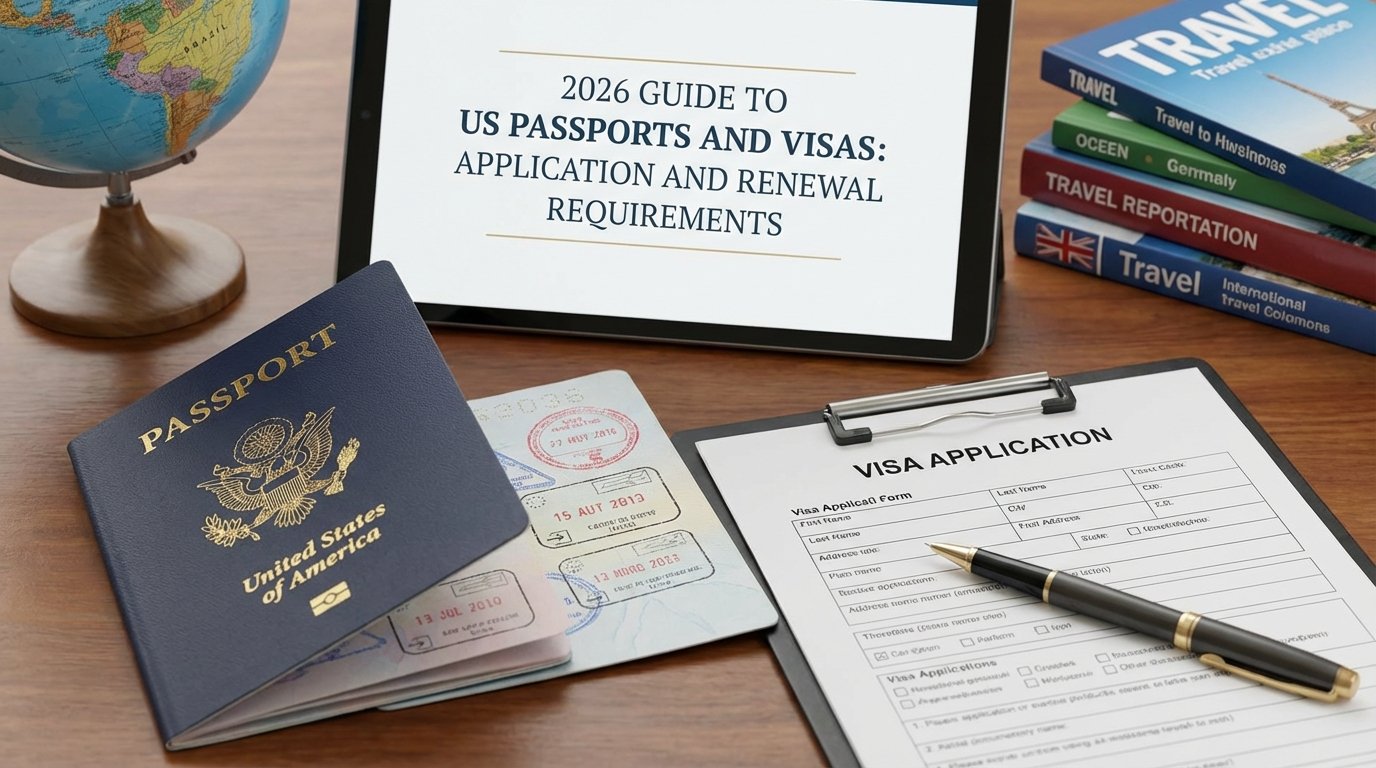

The tourism world is shifting. New destinations and cultures now influence travel. Destinations such as Vietnam, Georgia, and Colombia are attracting an increasing number of international visitors. Many of them head for new, less-beaten places, believing they’ll beat the crowds and discover something novel. Social media and travel blogs tend to show off the hidden gems, whether that might be neighborhoods in Southeast Asian cities or tiny European towns. These services peek ahead of the crowd and reveal hot spots before they hit critical mass, making it easy to organize an original excursion. The big cities like Barcelona and Venice are suffering from over-tourism. A portion of travelers are now looking to these out-of-sight corners, seduced by the thrill of witnessing someplace before it transforms.
Emerging Hotspots
Local cultures change as more tourists invade. In Marrakech, for example, local craftsmen combine traditional craft with contemporary design to accommodate evolving preferences. Street art, pop-up markets and fusion food stalls demonstrate that traditions flex but don’t fracture. Some tribes now offer cultural exchanges, allowing tourists to participate in celebrations or classes. It educates visitors and allows locals to express pride in their culture. In Oaxaca, for instance, food tours educate on the origins of mole and mezcal, intermixing time-honored recipes with innovation. Support for local makers occurs as travelers purchase directly from crafters in markets instead of big shops. These transitions serve to preserve traditions as cities evolve.
Adapting Traditions
Hot spots are under serious pressure. Overcrowding causes protests. Mallorca and Venice locals fear lost culture and spiking rents. Tourism strains public places and expenses. Climate change is a complicating layer on top, with searing seas endangering coastal towns and heat waves altering travel timing and destinations. Others completely reinvent hospitality. Metropolitans such as Copenhagen test innovative concepts such as CopenPay, which incentivizes travelers for sustainable behaviors. There is more discussion about the impact of tourism on local economies as well. Places strive to accommodate visitors while preserving what makes them special.
Modern Challenges
Travelers play a larger role today. They select destinations and tours that support local communities and the environment. Others sign up for community initiatives or choose hotels that consume less water and energy. There’s a trend towards pre-trip learning, honoring local customs and history. Gen Z and Millennials leverage AI and smart planning tools, with 83% saying they assist. Most families are now seeking out adventures with fun for all generations, demonstrating a shift to more intentional, experience-based travel.
Travel with Positive Impact
Travel can build communities and transform lives. The benefits aren’t necessarily equitable. Just 5% of tourist expenditures reaches local communities. More travelers than ever seek to do good—opting for green stays, small-biz support, and honoring local communities. It’s no secret that travel, when done responsibly, has a way of bringing out the better side of all of us. Other countries, such as Tonga utilizing solar power or Vanuatu advocating for human rights, demonstrate how travel can reinforce these efforts. As good as responsible travel is for the traveler, that’s only one part of it. It can lift up entire communities and protect the planet when visitors consider what their decisions mean for locals and the environment.
Conscious Choices
Travelers become part of projects that assist local communities, such as community-guided hikes or home dinners. These provide locals a greater portion of tourism revenue and create pride in their heritage. Volunteering, whether it’s teaching skills, assisting conservation efforts, or offering your expertise, can be a great way to give back when done through trusted organizations. It’s crucial to hear from local leaders and discover what actually assists rather than assuming from an outsider perspective.
Advocating smart choices, such as not paying children but paying local organizations, prevents damage and generates enduring benefits. When travelers inquire and act respectfully, more of their funds and hours go where they are most needed.
Community Support
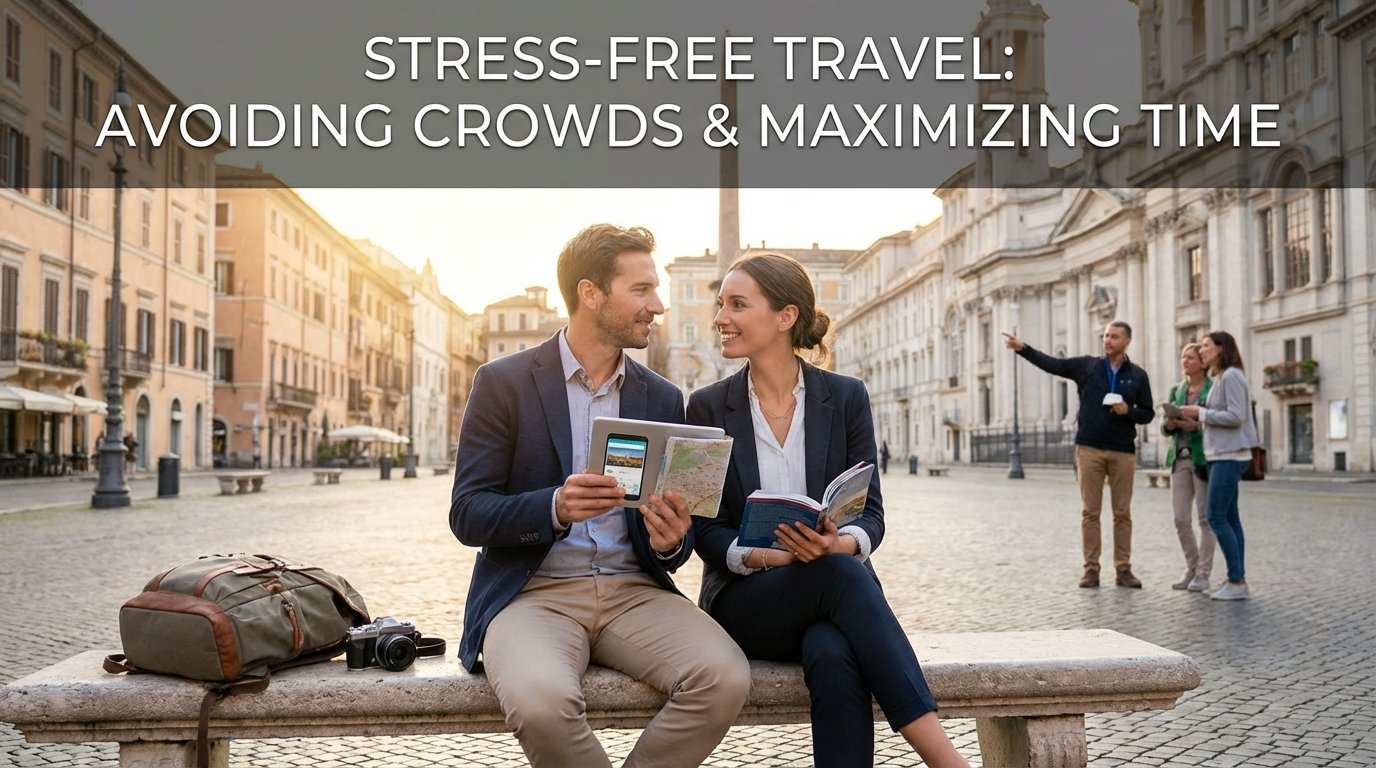
It’s these real connections with people that make for richer journeys. Breaking bread, attending a village festival, or supporting local artisans threads a needle into the very fabric of a destination. Taking pictures or journaling helps you remember these moments and reconsider what you learned.
Immersive experiences, such as learning traditional skills and staying with a local family, make a profound impression. Thoughtful travelers return home transformed, with new perspectives and anecdotes.
Lasting Memories
A loose itinerary enables tourists to embrace new opportunities, such as participating in a music festival or making a detour. There are travel apps that can help you discover green transport or local eateries. A checklist, including a passport, reusable water bottle, and light gear, keeps the trip smooth and waste low.
Looking up buses, trains, or bike rentals is about getting around in a way that does less damage. TraveLite choices benefit the traveler and the destinations.
Navigating Your Journey
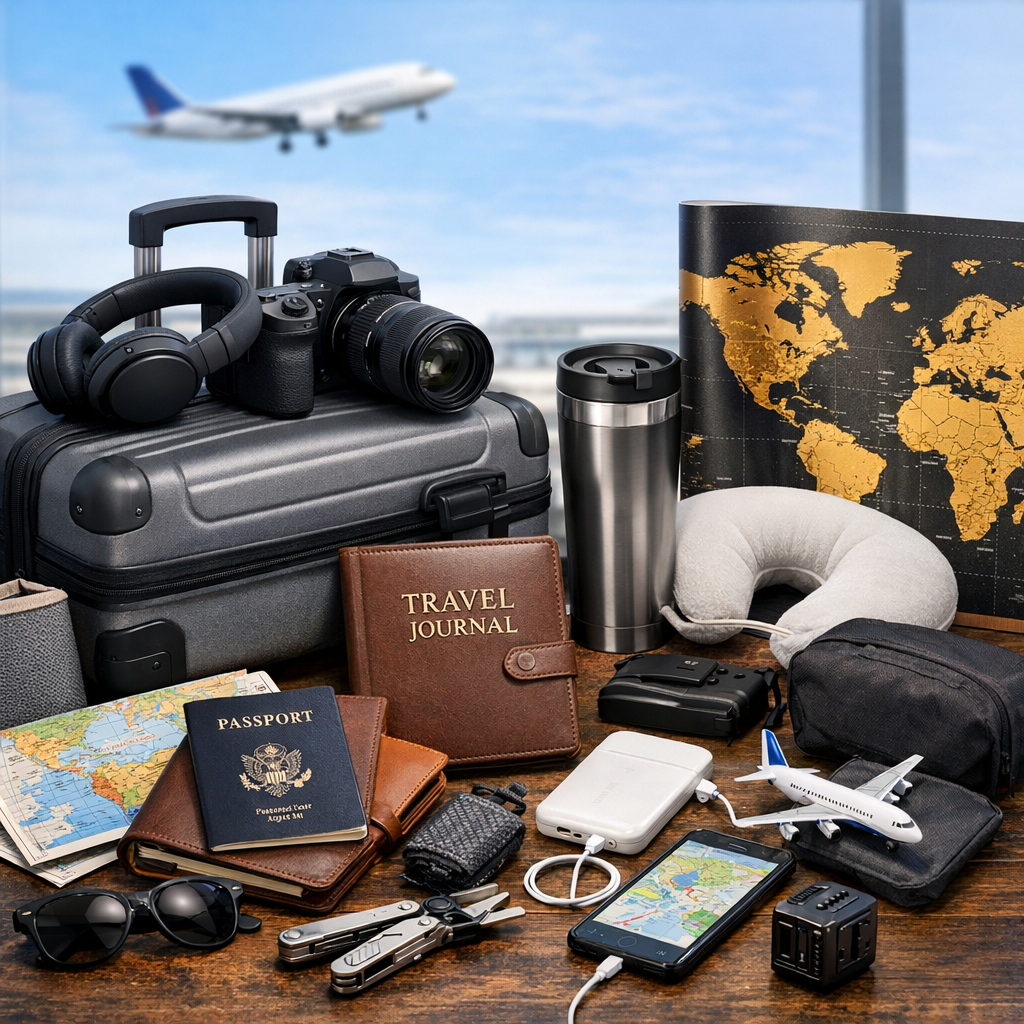

Planning a trip is about more than just selecting a destination and reserving a plane ticket. It’s about making intelligent decisions so you feel prepared and collected wherever you travel. From budgeting to local rules, every step can help navigate your journey.
Smart Planning
A rock solid plan begins with a rock solid budget. Dedicate a certain amount each month to travel, and it’s no longer a stressful splurge but an easy habit. Other travelers discover that saving less on new gadgets or clothes and instead investing that money on travel creates more opportunity. Consult online resources, such as travel blogs or TripAdvisor, to find the best accommodations, dining, and attractions. Typically, this is where the non-guidebook destinations shine. Familiarize yourself with the road system and destination layout. This assists you in gauging transition times from activity to activity so that you don’t miss out or double-book your days. Booking accommodations and activities in advance can save you money and secure the best deals, particularly during high traffic periods.
Schedule your days, include breaks and downtime. Weekend trips, those three to four day affairs, are the sweet spot for travel. Creating your own personalized list of what you want to see and do can help you concentrate on what’s most important. As you navigate your own journey, being open to last-minute changes may lead to unexpected finds and memorable moments.
Local Etiquette
Figure out some basic words in the local language. Easy hellos and thank yous are a great first step and bring about better experiences. Study the local customs beforehand and you’ll not only blend in, you’ll avoid embarrassing errors. When in temples or sacred spaces, watch for dress codes. Covering shoulders or wearing long pants is typical in many sites worldwide.
Observe public behavior. Certain cultures appreciate silence and privacy. Others are more exuberant. It’s awareness of these distinctions that assist you not just in making friends and avoiding awkward moments.
Health and Safety
Find out what vaccines or health precautions are required for your destination before you go. Local safety guidelines may vary, so check for local updates from reliable sources. Carry a mini ‘kit’ of medicine and health supplies. Pain killers, bandages, and any personal medication are a good beginning.
Jot down emergency contacts, including local embassy and hospital numbers, and maintain digital and hard copies of your travel documents. These steps help smooth out any bumps in your journey.
Reflecting and Inspiring
Afterward, reflect on each journey, what you enjoyed and what you’d change for next time. Document your highlights or vision board places you want to see next. Pass the tales along to friends or online groups. Your advice could assist someone else’s dream vacation.
Your Personal Travel Compass

Your personal travel compass is not just a device to find direction. It influences the way you navigate unfamiliar territory and apply decision making to fit your own worldview. When man goes forth to discover new lands, it’s not merely a journey from here to there. It’s an opportunity to interact with new customs, sample new food, and view life from a different lens. Maintaining this open-minded attitude enables travelers to fit in anywhere, whether it’s in a sleepy mountain town or the hustle and bustle of Paris or Rome. Prepared to embrace plan changes, perhaps prompted by local traditions or weather changes, these are the moments when travel is most profound and the most authentic.
Curiosity lies at the center of every great journey. Curious about the details, travelers are motivated to look beyond the highlights and seek out what’s unique about each location. That might be dipping into a local festival in Seville, participating in a South American cookery class, or simply hiking some fresh hills away from the beaten track. A travel compass assists with this by highlighting obscure destinations, providing quick how-tos, and offering tips for everything from urban strolls to cross-continental train journeys. Every explorer with these guides in hand generally discovers their own road, gathering advice on what to bring, where to dine, or how to navigate hassle-free.
One stumbles less with experience from trip to trip, and even more for the full-time traveler. A traveler’s guide, in time, so many have figured out how to plan smart, pack light, and select gear for each trip. This translates into more time discovering and less time stressing about missing stuff. At every pit stop, from Paris’ ancient alleyways to South America’s lush hiking paths, wanderers collect fragments of culture, folklore, and expertise. Your own personal compass transforms little experiences, whether discovering a hidden coffee shop or picking up some local lingo, into enduring memories and wisdom.
Conclusion
As travel molds the perspective of people, every location introduces fresh views, vistas, and tales. A stroll through a bustling street market, a peaceful hillside hike, or a conversation at a roadside café—these moments linger. Trends move quickly, but travelers are still hungry for authentic experiences. Whether it’s big cities, small towns, or wild nature spots, it provides a new perspective on life. Selecting a location that matches your personality and beliefs makes every journey meaningful. For more tips or to share your own travel win, see the links and join the conversation below. They say the journey of a thousand miles begins with a single step, and there are plenty of good ones to go around.
Frequently Asked Questions
What factors should I consider when choosing a travel destination?
Think about what you like, your budget, safety, climate, and local culture. Check travel advisories and customs for a smooth experience.
How can I find travel destinations that are less crowded?
Seek out destinations just getting on the map, or go to very popular ones when they’re empty. Hit up the backwaters. To avoid the other tourists, seek out less-traveled destinations.
Why is responsible travel important?
Responsible travel safeguards the environment and encourages the locals. It guarantees cultural reverence and a positive footprint to destinations.
How can I travel sustainably?
Opt for sustainable lodging, minimize waste, encourage local entrepreneurs, and honor the fauna. Little acts accumulate to a big effect.
What is a “personal travel compass”?
Your personal travel compass is your constellation of values, interests, and preferences. It assists you in selecting travel locations that align with your objectives.
How is the global travel landscape changing?
Travel trends are moving towards eco-friendly options, tech-enabled ease, and immersive cultures. Travelers want journeys that are unique, meaningful, and responsible.
Can travel have a positive impact on local communities?
Indeed, mindful travel sustains indigenous economies, maintains cultural heritage, and promotes international peace. Selecting local guides and businesses matters.