
- Key Takeaways
- Which Tuscany Tours to Choose?
- Guided Tour or Self-Drive?
- How to Vet Your Guide
- Beyond the Classic Itinerary
- My Perfect First-Timer Itinerary
- Essential Local Etiquette
- Conclusion
- Frequently Asked Questions
- Which Tuscany tours are best for first-time visitors?
- Should I choose a guided tour or self-drive in Tuscany?
- How can I verify the quality of a Tuscany tour guide?
- What are some alternative Tuscany tours beyond the classic itinerary?
- What are must-see locations on a first-timer’s Tuscany itinerary?
- What local etiquette should visitors know in Tuscany?
- Can I easily join Tuscany tours if I do not speak Italian?
Key Takeaways
- Tuscany has something for everyone when it comes to tours, whether it’s wine tasting, countryside drives, food, or historic villages.
- If you ask me, guided tours offer expert insight and greater value for stress-free travel, while self-driving offers flexibility and access to off-the-beaten-path destinations.
- First-timers need a well-rounded agenda consisting of classic sites, hidden gems, and down time to just relax.
- Vetting tour guides is crucial! Verify qualifications, read reviews, and be specific about what questions to ask for a quality experience.
- Engaging in community festivals, artisan workshops, and eco-friendly excursions fosters cultural immersion and empowers the region.
- Show respect for local customs, be polite and communicate well, behave appropriately in public spaces, and you’ll have an awesome experience with the locals.
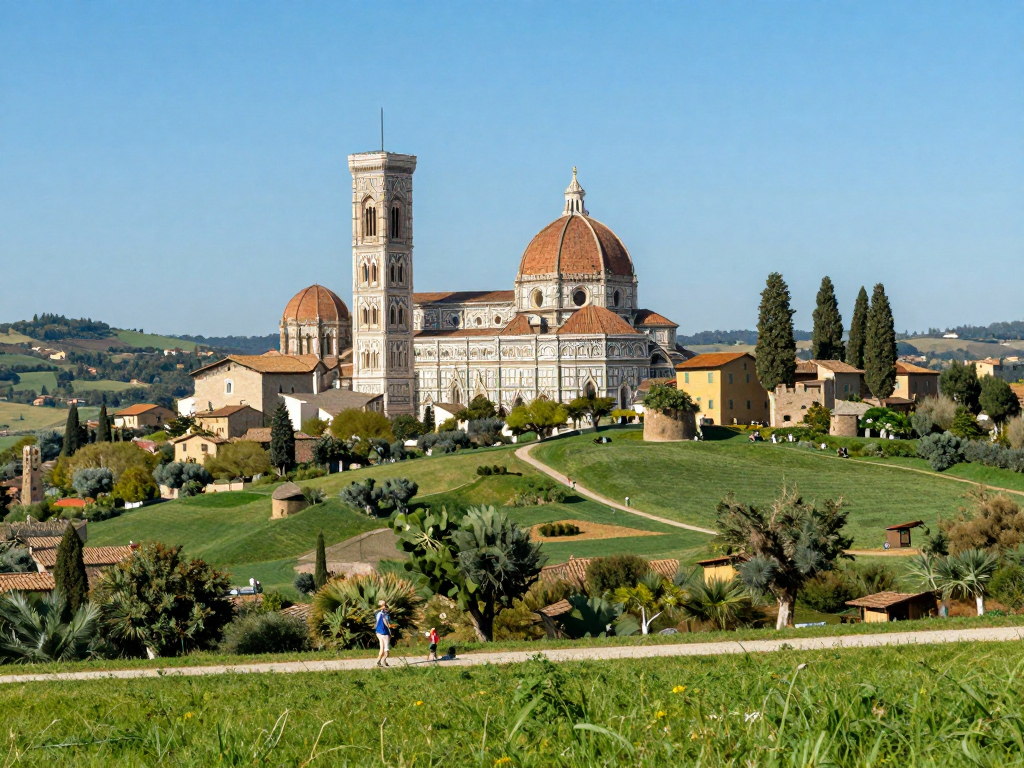
About which tours they recommend for first-time visitors to Tuscany. These towns feature old streets, countryside views, and local food. Many travelers stop in Florence, Siena, and San Gimignano for art, architecture, and markets. Our tours frequently combine Chianti wine tasting, quaint little villages, and visits to local farms. Day tours from Florence or Siena are easy, and there are many English-speaking guides. Group and private tours alike provide well-defined itineraries and visits to major attractions. For Tuscany newbies, choosing tours that explore both towns and countryside provides a complete experience of the region. The main body provides more information and advice on these choices.
Which Tuscany Tours to Choose?
Tuscany has lots of tours, each with a different focus: wine, scenery, art, or food. Options include everything from hiking and bicycle trips to vineyard tours and long days driving through the countryside. There are small group tours, private guides, or self-guided routes. Some tours attempt to squeeze Pisa, Siena, San Gimignano, and Lucca all into one day, but these can feel a bit harried. Short visits of three to four days tend to focus around Florence, Siena, and Pisa, whereas longer trips of five or more days give you time to explore Chianti, Val d’Orcia, or the smaller towns.
- Wine tours (Montepulciano, Chianti, Montalcino)
- Scenic countryside drives (Val d’Orcia, Strada del Vino Nobile)
- Historic city day trips (Florence, Siena, Lucca)
- Food tours and cooking classes
- Bike tours through rolling hills
- Off-the-beaten-path artisan and hiking experiences
1. For Wine Lovers
Montepulciano wine tours are taken to famous cellars where guests sample Vino Nobile, typically alongside local cheeses. Brunello di Montalcino tastings reveal why this wine is so coveted, visiting vineyards and aging cellars. Small group tours allow for more time with guides, so travelers learn about the winemaking process and history. Most tours incorporate traditional meals, allowing guests to savor local fare accompanied by wine in a leisurely atmosphere.
2. For Scenery Seekers
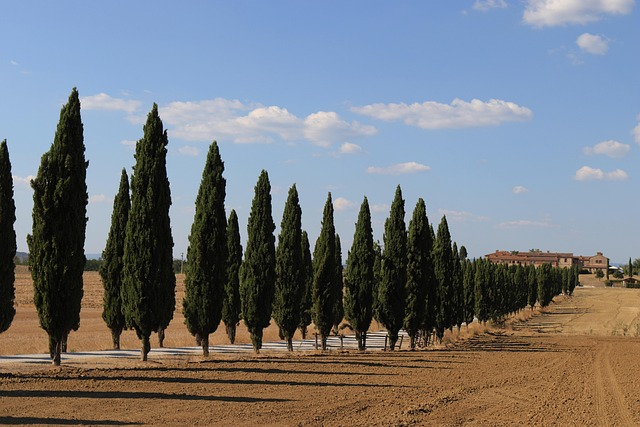
Val d’Orcia is a favorite among landscape lovers. The valley’s cypress-lined, winding roads skirt towns such as Pienza and Monticchiello. Every stop provides panoramic views, ideal for snapshots. Strada del Vino Nobile features vineyards and small villages on a scenic route. Some tours incorporate outdoor wine tastings set right amongst the vines.

Tuscany is perfect for cyclists, with plenty of quiet roads winding between fields and ancient villages.
3. For History Buffs
Florence boasts unmissable sights such as Palazzo Vecchio and the Galleria dell’Accademia, which houses Michelangelo’s David. Siena’s medieval heart features the majestic Cathedral and Piazza del Campo, known for its legendary horse race. Città del Tufo Archaeological Park allows visitors to wander among ancient Etruscan ruins. Many conventionally guided tours are heavy on local lore and history, providing background to each location.
4. For Food Enthusiasts
Tuscan food tours tease your palate with classics such as crostini toscani and ribollita. Cooking classes instruct in fresh pastas and sauces. A plate at a neighborhood trattoria flaunts the area’s rustic flair, while wandering San Lorenzo Market showcases fresh fruit and vegetables, pecorino fresco, and Tuscan salami.
5. For Off-Path Explorers
Smaller towns like Montisi and San Giovanni d’Asso offer peace away from crowds. The hills around these towns are good for hiking and biking, with views that stretch for kilometers. Many routes lead to artisan workshops, where visitors can see traditional crafts and talk to local makers.
Guided Tour or Self-Drive?

First-time visitors to Tuscany often face a choice: join a guided tour or explore by self-driving. Both have their distinct advantages and disadvantages that influence your voyage.
| Factor | Guided Tour | Self-Drive |
|---|---|---|
| Local Knowledge | Expert insights, stories, and hidden gems | Limited to personal research |
| Navigation | No stress, all logistics handled | Requires map reading, navigation, parking skills |
| Cost | Higher per person, all-inclusive | More flexible, potentially cheaper for groups |
| Flexibility | Fixed schedule, less spontaneous | Total freedom, set your own pace |
| Social Experience | Meet and interact with others | Travel alone or with chosen companions |
| Access | Entry to exclusive tastings, venues | Limited to public access |
The Guided Path
Guided tour things mean you don’t have to worry about getting lost or dealing with local traffic. They take care of the transportation, the routes and the schedules. This can be a comfort if you’re short on time or want to ensure you see highlights such as Montepulciano and Pienza without skipping anything crucial.

Tour guides are familiar with the area. They share facts, legends and tips about Tuscany’s food, wine and history. Their tales provide background you won’t discover in a guidebook. Some tours, particularly truffle- or wine-centric ones, include private tastings and visits to family-owned vineyards that aren’t accessible to the public.
Group tours open up a meeting place for other travelers. You’d bond with fellow travelers from hundreds of different nations, breaking bread together. It can introduce a social component to your trip.
Most guided tours stick to an itinerary. This means you might be short on time at each stop and not have much flexibility for detours or spur-of-the-moment plans.
The Independent Road
A self-drive allows you to dictate your own timing, visit little towns and just take backroads. You can see places that the big tour buses pass up, like sleepy villages or farm shops. This type of travel works best if you like to plan and explore your own way.
It can be a money saver, especially for families or groups. Renting a compact car is usually less expensive than reserving multiple seats on a tour. You can choose your accommodation – from country guesthouses to urban hotels – and can alter your itinerary if you desire.
There are compromises. Driving through rural Tuscany can be stressful, and parking in the old towns is extremely limited. You’ll need to do more research and book some tastings or entry tickets ahead, as you won’t have a guide managing these details for you.
Self-driving suits travelers who crave independence, need to pause for a vista, or savor an extended lunch. It requires more work and some risk, but it gives you the opportunity to truly own the journey.
How to Vet Your Guide
Discovering the right Tuscan guide can make your entire experience, particularly for first-time guests considering tours in Montepulciano or Pienza.

About
To ensure you have a knowledgeable, professional, and reliable guide, follow this checklist. This means vetting their credentials, viewing independent feedback, and posing direct queries that align with your requirements.
Check Credentials
Begin by ensuring that your guide is fully certified and licensed to run tours in Italy. This is crucial for legality as well as your safety. Most good guides belong to professional tourist organizations or are members of organizations such as the Italian National Tourist Guide Association. These clubs are typically selective about ethics and competence.
Inquire about formal experience — a degree in history, art or hospitality, or specialized training in Tuscan wine. If your tour involves transportation, check that the guide has a driver’s license and adequate insurance. Most guides keep badges or certificates on their sites or provide them by request, so don’t be afraid to ask.
Read Reviews Critically
Cross-reference reviews from multiple platforms, such as TripAdvisor, Google Reviews, and reputable travel forums. Seek out repeated compliments regarding a guide’s expertise, timeliness, and storytelling ability. Details in reviews, like how guides responded to difficult situations or adapted to changes, matter more than generic praise.
Beware of reviews that sound too-good-to-be-true or echo the same words. If you hear repeated warnings about safety or communication, listen up. Occasionally, referrals from friends or local hotels can provide some handy information as well.
Ask Specific Questions
Before you book, inquire about the precise itinerary, what’s included in the price, and any additional fees. Some tours include entrance fees, tastings, or transport; some don’t. Specify the group size, as smaller groups tend to offer more individual attention and greater flexibility. Great guides have obvious cancellation policies and are transparent about their changes or fees.
Inquire about the guide’s experience with particular towns or topics. For instance, if you’re into wine, check to see if your guide has ties with local wineries. Inquire about their approach, how they accommodate spontaneous requests and whether they can provide suggestions outside the usual attractions.
Beyond the Classic Itinerary
Tuscany beyond the classic itinerary reveals the deeper culture, crafts, and countryside of Tuscany. Towns like Volterra, Pienza, or Sorano provide a gentler rhythm, which can be savored with a hotel stay of at least three nights. Those who dawdle in the Val d’Orcia, among its gentle vineyards and cypress-lined roads, tend to feel more intimately connected to the land than their many-stops counterparts. A lazy itinerary allows for strolls, picnics in the countryside, and serendipity, like the Etruscan Village in Western Tuscany or a tiny family cemetery hidden away from the masses. In the Maremma, most famous as the cradle of “Spaghetti Westerns,” and with one-of-a-kind stays in centuries-old castles, history comes alive.
Seasonal Festivals
| Festival/Event | Season | Activity Highlights | Cultural Significance |
|---|---|---|---|
| Palio di Siena | Summer | Horse race in Siena’s main square | City pride, historic rivalry |
| Grape Harvest Festivals | Autumn | Grape picking, wine tasting | Marks the end of harvest, community gathering |
| Local Food Festivals | Year-round | Tasting regional dishes, food markets | Celebration of Tuscan food traditions |
| Summer Music & Art Events | Summer | Outdoor concerts, art shows in old towns | Promote local art and communal spirit |
Festivals pepper the calendar in Tuscany, each with its significance. Experience the age-old city rivalries at the Palio di Siena. Fall’s grape harvest festivals welcome visitors to join the locals in picking grapes and tasting fresh wine, a season’s hard work in this case coming to a close. Food festivals allow visitors to taste regional delicacies and regional wines. Summer festivals fill historic locations with music and art, transforming town squares into open-air galleries and stages.
Local Artisan Workshops
Most Tuscan towns still flourish on artisan crafts, ranging from pottery and leather work to painting. Encountering these craftsmen not only provides insight into time-honored methods, but the opportunity to craft your own — be it a painted tile or a hand-stitched wallet. Purchasing directly from workshops preserves small businesses and guarantees genuineness. The tales of these crafts frequently a family tradition imbue each piece with more than just souvenir value.
Sustainable Travel
Green travel is emerging in Tuscany. Others have hotels that use green energy and reduce waste. Bike tours and walking tours are common, allowing travelers to experience the countryside first-hand while reducing automobile traffic. Many tours collaborate with local guides and small groups, promoting community support. Conservation projects, such as protecting vineyard landscapes and historic sites, welcome visitor support, either in the form of donations or volunteering.
Alternative Attractions
The longer you stick to one region, the more time you have to uncover the hidden gems. Off the beaten path, the Etruscan Village, unearthed in the 70s, provides a unique view into life in the ancient world. In the Maremma, wide-open spaces and old castles, some from as far back as the 11th and 14th centuries, offer a different perspective on Tuscany. Roaming into tiny cemeteries or country villages, tourists discover their surnames carved in marble, connecting modern-day Tuscany with its origins.
My Perfect First-Timer Itinerary
A first trip to Tuscany works best with a simple plan: mix wine, history, food, and free time. Most visitors agree that 7 to 10 days strikes a perfect balance, although 5 days is sufficient for those with limited time. The best times are spring and fall, when the sun is gentle and the hills shimmer in green or gold. July and August can be sticky hot, so pack accordingly if you arrive then.
Begin with the countryside, roosting near San Gimignano. This little hilltop town is renowned for its towers and crisp Vernaccia wine. A rental car is essential because public transport doesn’t extend to most farms and rural towns. From San Gimignano, you can plan day trips to nearby gems. Visit Montepulciano for its red wines, tour Pienza for its cheese and Renaissance streets, and take a slow drive through Val d’Orcia for rolling fields and stone farmhouses. Each stop lets you taste local food. Try pecorino cheese, handmade pasta, and olive oil straight from the press.
Leave room for famous sights and for hidden nooks as well. Siena is a day for its shell-shaped piazza and striped cathedral. Take an afternoon in Montalcino, where the renowned Brunello was born. These bustling towns are not as crowded as Florence. Schedule a couple of hours in less-traveled sights like Bagno Vignoni, where you can douse your feet in thermal waters or tiny vineyards that serve lunch with a view. Leave holes in your schedule for slow strolls or a leisurely lunch in the sun.
Follow the countryside with Florence at the end. I recommend 3 nights at minimum to absorb the city at a casual pace. Visit the Uffizi, ascend the Duomo’s rooftop, and taste gelato in secret side alleys. Florence’s city center is best explored on foot, leaving hours for a late dinner or final stroll along the river.
Essential Local Etiquette
Understanding the fundamentals of Tuscan etiquette makes travelers feel at home and expresses respect for the region’s inhabitants and traditions. Local customs define daily life, particularly in a town like ours with its history and culture. These may be small, but they mean a lot to locals.
- Make sure to always say ‘buongiorno’ or ‘buona sera’ when you enter any shops, restaurants, or when you are speaking with a local.
- Employ “Signore” or “Signora” when addressing older locals in shops or formal situations.
- Be quiet, particularly in the narrow streets of the village or after dark.
- Wait to be seated at restaurants and thank the staff when you leave.
- When entering churches, dress modestly. Cover your knees and shoulders to be respectful.
- Respect posted mealtimes: lunch is usually between 12:30 PM and 3:30 PM, dinner from 7:30 PM to 10:30 PM.
- Don’t litter and don’t touch or lean on any historic buildings.
- Bargain hard and be courteous at bazaars, always with a smile.
- Be social, particularly at mealtime or festivals. These are precious social occasions.
Respect for local customs goes without saying when touring places of worship. In churches and cathedrals, modest attire is required. Shoulders and knees must be covered for men and women. A lot of towns have noise ordinances, particularly in the evening or around churches. Quiet voices and low music preserve the tranquility of these gems.
There’s magic in eating in Tuscany. Showing up at a restaurant off hours is just plain rude, so schedule based on local times. When you’re seated, wait for the staff to take your order. Tuscans appreciate a slow meal and fine conversation. It’s natural for staff or other guests to strike up a conversation. Participate and swap tales if you’re comfortable.
Most towns have their own festivals and traditions. Looking up the local calendar in advance of your trip will help you avoid busy times if a quiet visit is what you’re after. Locals might invite you to join them during festivals. These occasions provide an excellent opportunity to get a direct experience of Tuscan life and values.
Conclusion
For first-timers seeing Tuscany, small group tours, such as the Montepulciano and Pienza, provide a great itinerary centered around food, wine, and old towns. Tours let you skip lines and learn quickly. Self-drive trips allow you to wander at your own pace. Local guides highlight stories and tips you can miss on your own. Mixing city stops and country roads keeps every day fresh. Mastering local customs, such as how to say hello or order, buffers little jolts. Each stop, from Florence to tiny villages, reveals a new aspect of Tuscany. For additional suggestions or inspiration, browse other guides or post your own favorites to the community.
Frequently Asked Questions
Which Tuscany tours are best for first-time visitors?
Which specific tours (montepulciano/pienza, etc.) would you recommend for Tuscany first-timers? Such tours feature stunning landscapes, regional wines, and ancient towns, a perfect introduction to Tuscany.
Should I choose a guided tour or self-drive in Tuscany?
Guided tours are perfect if you desire local perspectives and a worry-free journey. Self-drive is the most flexible option if you’re comfortable with rural roads, giving you the freedom to explore at your own pace.
How can I verify the quality of a Tuscany tour guide?
Seek out guides that have official certification, good reviews on the web, and local experience. Make sure guides are licensed and well informed about Tuscany’s history and culture.
What are some alternative Tuscany tours beyond the classic itinerary?
Think food and wine, cycling, or destinations to less-crowded towns like San Quirico d’Orcia. These give you unique perspectives and less crowds.
What are must-see locations on a first-timer’s Tuscany itinerary?
How about Florence, Siena, Montepulciano, Pienza, and Val d’Orcia? These places provide art, history, breathtaking vistas, and genuine Tuscan cuisine.
What local etiquette should visitors know in Tuscany?
Say hello to people, cover up in churches and don’t be late for dinner. Tipping is welcomed but not compulsory. Always inquire beforehand if it is ok to photograph people.
Can I easily join Tuscany tours if I do not speak Italian?
Yes, almost all tours are in English. Several companies offer tours in other major languages.