
Table of Contents
- Mandatory Pre-Travel Health Assessments: The Essential Strategy
- Navigating Global Health Alerts in 2026
- Essential Logistics: Medications and Insurance
- Proactive Wellness and Safety Strategies
- Specialized Wellness and Security Trends in Global Travel 2026
- Critical Pre-Travel Health Planning and Evaluation
- Essential Logistics: Insurance and Medication Management
- Maintaining Daily Health and Wellness Routines
- Frequently Asked Questions on Travelers Health and Security
Global Travel in 2026 demands meticulous preparation. Your Travelers Health security is paramount, requiring a proactive, expert-level approach that extends far beyond standard packing lists.
This comprehensive guide delivers authoritative Travel Advice and protocols, synthesizing data from leading Travel Clinics and the Centers for Disease Control and Prevention (CDC).

You must prioritize a detailed Pre-travel Evaluation to mitigate risks associated with Global Travel. We utilize the latest intelligence, including the CDC Yellow Book, to ensure you understand current health threats.
The landscape of COVID-19 Travel, alongside threats monitored by Genomic Surveillance, necessitates adherence to Enhanced Precautions. Preparation is the only defense against unexpected outbreaks and global health risks in 2026.
Mandatory Pre-Travel Health Assessments: The Essential Strategy
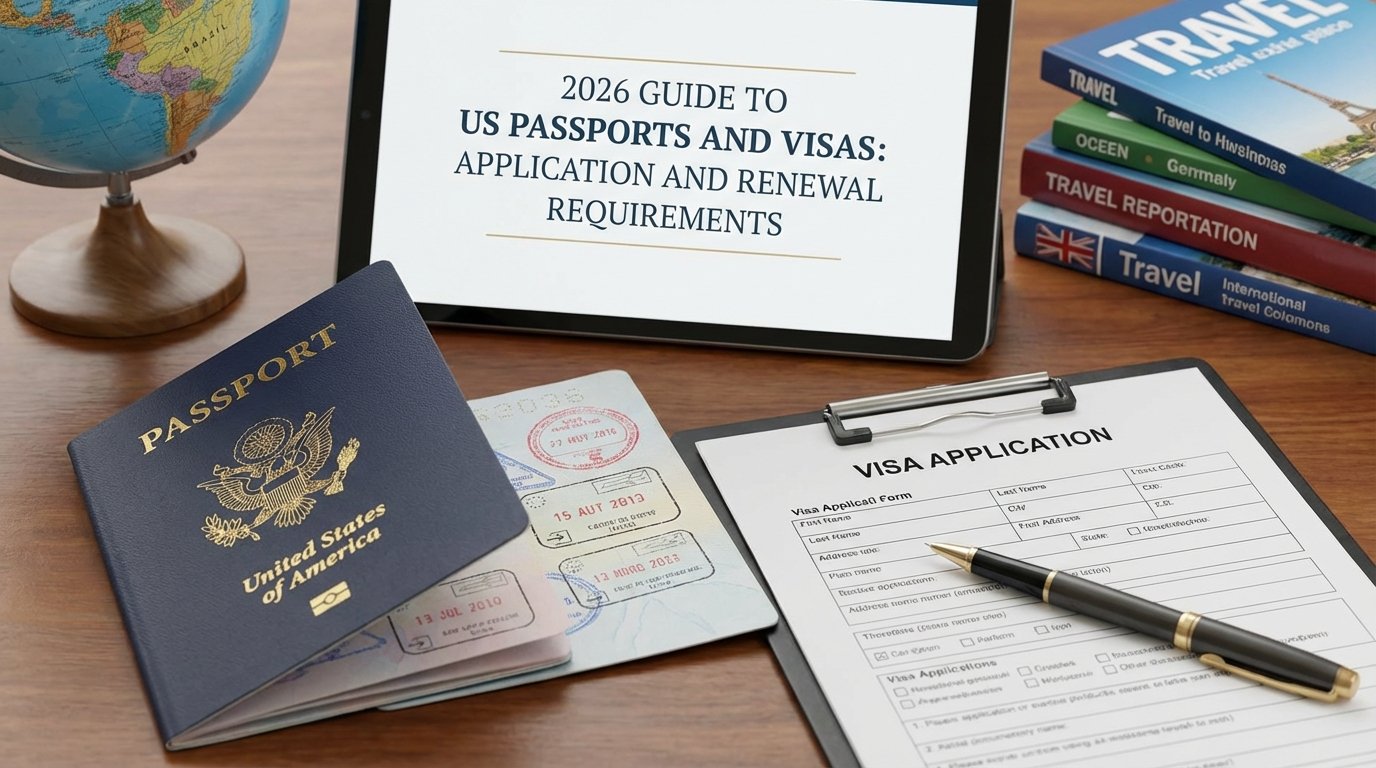
Effective Travelers Health management begins long before you secure your flight tickets. You must treat health preparation with the same rigor as visa applications and passport documentation.
The CDC (Centers for Disease Control and Prevention) remains the definitive source for current health risks and essential Travel Advice for all global journeys.

Consult the authoritative CDC Yellow Book. This critical resource provides essential guidance for Clinician Resources and travelers regarding required vaccines, prophylaxis, and disease management protocols for safe Global Travel.
Timing Your Pre-travel Evaluation
You are strictly advised to consult with your healthcare provider or a specialized Travel Clinic 4 to 6 weeks before your departure date.
This crucial timeframe allows sufficient time for required vaccinations (such as those for Rabies or Typhoid) to become fully effective and maximize protection.
Your detailed Pre-travel Evaluation must thoroughly review ongoing health conditions, especially when traveling to destinations with recent outbreaks, such as Japan or Seoul, South Korea.
Reviewing Global Travel Health Notices
In 2026, staying current on dynamic health threats is non-negotiable. The CDC issues specific Travel Health Notices that dictate necessary protocols for various regions.
For example, Level 2 alerts related to Monkeypox (specifically Clade II) and Chikungunya require travelers to observe Enhanced Precautions, moving beyond standard Usual Precautions.
Consult the CDC website for real-time updates on Global Polio and Global Dengue risks, ensuring your preparation aligns with current genomic surveillance data and regional threats.
Utilizing Digital Health Planning Tools
The CDC offers advanced digital tools to streamline your preparation and personalize your Travel Advice.
The Personalized Health Information Tool for Global Travel (TRHIP) helps tailor advice based specifically on your itinerary and comprehensive medical history.
For specialized professionals, the Pre-travel Rapid Evaluation Portal (PREP) assists in formulating rapid recommendations for complex cases or high-risk Medical Tourism travel plans.
Mandatory Medication Management Strategy
Do not wait until the last minute to address prescriptions. You must confirm prescription refills 1 to 2 weeks prior to your departure for any chronic condition or necessary prophylaxis, such as Cholera Information or malaria prevention.
Always carry essential medications in your carry-on luggage. This prevents disruption if your checked bags are delayed or lost during Global Travel.

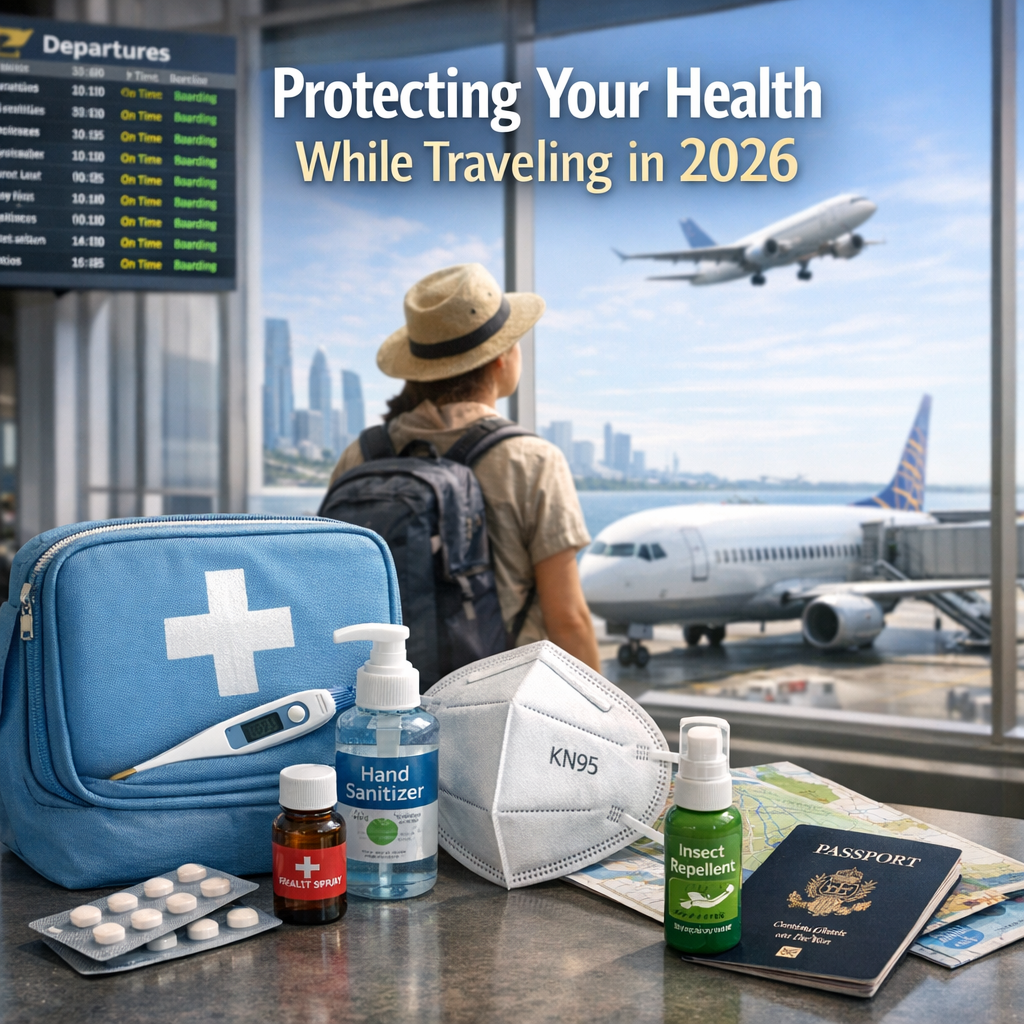
Pack a small, expert-curated kit of over-the-counter remedies. Include pain relief, antihistamines, and digestive aids, ensuring continuous health management throughout your trip.
Securing Comprehensive Travel Health Insurance
A standard policy is insufficient for 2026 travel risks. You must select travel insurance that specifically covers urgent care, emergency medical evacuation, and virtual care consultations while abroad.
Review the policy details carefully regarding coverage for destinations with high COVID-19 Travel risks or areas affected by emerging threats like Rocky Mountain Spotted Fever.
The primary goal of the pre-travel assessment is to ensure all necessary immunizations, including those for diseases like Rabies or Typhoid, are current and effective before exposure, backed by robust insurance coverage.
Navigating Global Health Alerts in 2026
The global health landscape is dynamic and demands constant vigilance for secure Global Travel. You must monitor real-time Travel Health Notices issued by the CDC (Centers for Disease Control and Prevention), which classify risks by level.
In 2026, Level 2 alerts, mandating Enhanced Precautions, are highly relevant for many popular destinations. These alerts require specific behavioral adjustments and strategic preparation to maintain your personal health security.
Understanding these classifications is non-negotiable for responsible Travelers Health management.
Understanding Enhanced Precautions (Health Protocol)
The 2025/2026 updates from the CDC highlight several persistent regional threats requiring Enhanced Precautions. You must understand the difference between Usual Precautions and the heightened measures necessary for Level 2 areas.
Active notices concerning Clade II Monkeypox in Ghana and Liberia remain critical, requiring travelers to minimize contact exposure and practice stringent hygiene protocols.
Similarly, alerts for vector-borne diseases like Chikungunya (e.g., Sri Lanka) and widespread Global Dengue outbreaks necessitate strict, aggressive mosquito bite prevention protocols, day and night.
Your preparation must include the following essential steps:
- Review all regional Travel Health Notices (Level Classification) before booking any aspect of your trip.
- Pack appropriate protective gear, including strong insect repellent and necessary personal protective equipment.
- Understand the difference between Usual Precautions and Enhanced Precautions for your destination and adhere strictly to the higher standard.
Mandatory Pre-Travel Evaluation: The 4-6 Week Rule
Effective Travelers Health management requires precise timing. You must prioritize a Pre-travel Evaluation with your primary care physician or a specialized Travel Clinic 4 to 6 weeks before your departure.
This critical lead time allows for the completion of necessary vaccine series, especially for diseases like Global Polio or Rabies, and for reviewing the necessary precautions listed in the CDC Yellow Book or other Clinician Resources.
This consultation ensures that your personal health history is factored into the required Enhanced Precautions for your specific destination, particularly if you are considering Medical Tourism or high-risk adventure travel.
Monitoring Viral Threats and Genomic Surveillance
The threat of emerging COVID-19 variants remains a defining factor in modern Global Travel planning, demanding continuous vigilance.
The Traveler Genomic Surveillance Program is vital, detecting new variants entering different countries, such as Seoul, South Korea. This provides crucial, real-time data for public health response and informs updated Travel Advice.
Stay updated on specific vaccination recommendations for COVID-19 Travel, as entry requirements and health protocols can change rapidly based on surveillance data and local outbreaks.
Essential Travel Tips: Medication and Insurance Management
Beyond specific disease risks, you must secure robust financial and logistical support for your health abroad. Choose comprehensive travel insurance that explicitly covers urgent care, emergency medical evacuation, and virtual care for international trips in 2026.
For ongoing health management, refill all prescriptions 1 to 2 weeks before your trip. Always carry essential medications in your hand luggage, along with a copy of the prescription and a doctor’s note, to prevent delays at customs or loss during transit.
Maintaining Nutrition and Hydration on the Go
Your daily wellness is just as critical as managing infectious disease risk. Use these Essential Travel Tips to maintain nutritional balance and hydration during Global Travel.
While enjoying local cuisine, balance indulgent meals with lighter, plant-based options. Packing healthy snacks is a simple Travel Hack to avoid relying solely on highly processed airport or roadside food.
Staying adequately hydrated is paramount, especially during long flights or when exploring high-altitude or hot, arid environments. Carry a high-quality reusable water bottle and understand local water safety protocols, reinforcing the Cholera Information rule: “boil it, cook it, peel it, or forget it.”
Key 2026 Health Alerts Requiring Enhanced Precautions
Refer to this summary of major regional threats requiring heightened awareness and preparation in 2026. These Level 2 alerts demand immediate action upon arrival.
| Disease/Condition | Key Regions Affected | Required Action |
|---|---|---|
| Monkeypox (Clade II) | Ghana, Liberia, Western Africa | Avoid contact with sick animals and people, practice stringent hygiene. |
| Chikungunya | Sri Lanka, Parts of South Asia | Aggressive mosquito bite prevention during day and night. |
| Global Polio | Areas in Africa and the Middle East | Ensure polio vaccination is current before travel, documented on international certificate. |
| Rocky Mountain Spotted Fever | Specific Western Hemisphere regions | Protect against tick bites, check skin and clothing frequently. |
| Cholera Information | Certain developing regions | Strict “boil it, cook it, peel it, or forget it” food and water protocols. |
Essential Logistics: Medications and Insurance
Meticulous logistical preparation is the cornerstone of secure Global Travel. Before departure, you must finalize pharmaceutical needs and secure robust financial protection against potential medical emergencies.
Strategic Medication Management and Refills
You must ensure uninterrupted access to necessary medication throughout your journey. This is a crucial element of maintaining optimal Travelers Health.
Refill prescriptions 1 to 2 weeks before travel. This essential buffer allows time for pharmacy processing, especially for controlled substances or specialized supplies required for extended stays.
Always pack all prescribed medications and essential over-the-counter remedies exclusively in your carry-on baggage. Never risk losing vital supplies if checked luggage is delayed or rerouted.
Carry a signed, dated doctor’s note detailing all prescriptions, generic names, and dosages. This is one of the most fundamental Essential Travel Tips. If traveling internationally, ensure this documentation is translated into the language of your destination for seamless border checks and emergency access.
Mandatory Travel Health Coverage
In 2026, comprehensive Travel Insurance is a mandatory requirement, not an option. This is especially true if you are engaging in specialized activities like Medical Tourism or visiting areas under specific Travel Health Notices.
When selecting a policy, ensure it explicitly covers urgent care, emergency services, and modern virtual care options. Virtual consultations can provide immediate medical direction without the complexity of navigating unfamiliar foreign healthcare systems.
Utilize an accredited travel insurance portal to compare plans efficiently. You must confirm that your chosen policy offers robust coverage for medical evacuation, which can exceed $100,000 without proper insurance, particularly if operating under Enhanced Precautions.
Ensure your chosen policy aligns with the risks outlined by the CDC (Centers for Disease Control and Prevention) for your specific destination.
Proactive Wellness and Safety Strategies
Meticulous logistical preparation extends beyond documentation and insurance. Maintaining strict daily health routines is essential to prevent illness and fatigue during complex international itineraries.
Hydration and Nutrition Protocols for Travelers Health
Long flights and demanding sightseeing schedules deplete your body’s resources. Staying adequately hydrated is the most crucial of all Essential Travel Tips for maintaining optimal Travelers Health.
You must carry a reusable water bottle and utilize electrolyte supplements, particularly when engaging in strenuous outdoor activities or traveling in hot, high-risk climates.
Regarding nutrition, balance is critical. While exploring local cuisine is a fundamental part of the Global Travel experience, avoid the temptation of constant indulgence.
Seek out lighter, plant-based options frequently to ensure continuous health management. Packing healthy snacks, such as nuts and protein bars, prevents sudden energy crashes and maintains nutritional integrity throughout your journey.
Monitoring Global Health Notices and Enhanced Precautions
Maintaining awareness of current global health conditions is non-negotiable for secure travel in 2026. You must consult the Centers for Disease Control and Prevention (CDC) before finalizing your route.
The CDC issues critical Travel Health Notices (Level Classification) that dictate necessary protocols. For instance, Level 2 alerts for diseases such as Monkeypox (including Clade II Monkeypox), Chikungunya, and Global Polio require travelers to practice specific Enhanced Precautions.
This diligence is paramount, especially given the ongoing Genomic Surveillance of COVID-19 variants and recent outbreaks like Rocky Mountain Spotted Fever. Consult the CDC Yellow Book for detailed Clinician Resources and location-specific disease risks.
Pre-travel Rapid Evaluation and Vaccine Strategy
A comprehensive Pre-travel Evaluation is mandatory. You must consult with your physician or a specialized Travel Clinic 4 to 6 weeks before departure to review all required vaccinations and ongoing health conditions.
This assessment is critical for destinations experiencing recent localized outbreaks, such as areas near Seoul, South Korea, or Ghana. Utilizing the Pre-travel Rapid Evaluation Portal (PREP) can streamline this process.
Travelers engaging in Medical Tourism must exercise heightened vigilance regarding their health status before and after procedures.
Leveraging Technology for Security and Connectivity
Modern Travel Hacks incorporate technology to enhance both personal safety and digital health management. These Essential Travel Tips prioritize immediate connectivity and location awareness.
Use tracking devices such as Apple AirTags or Tile Trackers placed inside luggage and crucial documents bags. This is a pragmatic security measure against loss or theft during complex transfers.
Connectivity is a health imperative. Relying solely on unreliable local Wi-Fi or purchasing physical local SIM cards can be complicated and slow in an emergency.
Implement E-SIM Technology Usage through reliable providers like Airalo to secure immediate, reliable data access upon arrival. This ensures you can access emergency services, tele-health providers, or the Personalized Health Information Tool for Global Travel (TRHIP) instantly.
Furthermore, travelers heading to Europe must understand the new Entry/Exit System (European Border Control) protocols to avoid logistical delays that cause unnecessary stress and fatigue, impacting overall Travelers Health.
Integrating Wellness Travel Trends
In 2026, Proactive Wellness strategies often incorporate intentional breaks. Consider exploring Wellness Travel trends, such as Longevity Retreats or specialized programs focusing on mental health and emotional release.
Even short periods of Digital Detoxing can significantly reduce travel-related stress. Seeking accommodation that prioritizes quiet environments and outdoor access supports continuous health and recovery.
For those interested in aesthetic travel, procedures like Glass Skin Facials or Micro-needling (Glow-cations) require strict adherence to post-procedure care, demanding even greater diligence regarding sun exposure and general hygiene during Global Travel.
Specialized Wellness and Security Trends in Global Travel 2026
The landscape of Travelers Health has shifted. In 2026, the concept of Wellness Travel has evolved significantly, moving beyond basic spa treatments to incorporate mental resilience and longevity practices, reflecting the high demands of modern Global Travel.
Mental Health and Emotional Resilience Protocols
Acknowledging the inherent stress in complex international itineraries, new trends focus heavily on emotional release and stress management. Programs featuring “Rage Therapy” or outdoor “scream clubs” are now offered in controlled environments for tension release.
As an expert traveler, you must integrate short periods of “Digital Detoxing” into your schedule. This crucial practice manages stress effectively and is proven to significantly improve sleep quality, directly supporting immune system strength.
Aesthetic and Longevity Focused Medical Tourism
A burgeoning niche is the “Glow-cation,” where travelers specifically seek aesthetic and longevity treatments abroad. This trend falls under the umbrella of Medical Tourism.
Destinations like Seoul, South Korea, remain global hubs, famous for high-quality K-beauty procedures such as Glass Skin Facials and Micro-needling.
However, engaging in Medical Tourism requires extreme due diligence. You must rigorously vet the clinics and practitioners involved to ensure they meet international safety standards before undergoing any procedure.
Critical Pre-Travel Health Planning and Evaluation
Meticulous health planning is the foundation of secure Global Travel. You cannot rely solely on basic over-the-counter remedies.
Mandatory Pre-travel Evaluation and Consultations
To ensure optimal Travelers Health, you must schedule a comprehensive Pre-travel Evaluation with your doctor or a specialized Travel Clinic 4 to 6 weeks before departure. This window allows time for necessary vaccinations to become effective.
Consult the latest edition of the CDC Yellow Book and other Clinician Resources to determine required prophylaxis and vaccinations, especially if visiting high-risk areas like certain regions of Japan or South Korea which have recently seen outbreaks.
Understanding Current Travel Health Notices for 2026
Health threats are constantly evolving. Always check the CDC (Centers for Disease Control and Prevention) Travel Health Notices and their Level Classification system before finalizing your itinerary.
In 2026, travelers must remain vigilant regarding respiratory illnesses and vector-borne diseases. Current alerts include Level 2 warnings for renewed activity of Monkeypox (specifically Clade II) and heightened concern over Chikungunya, Global Polio, and Global Dengue activity.
Due to the ongoing circulation of COVID-19 variants, travelers must practice Enhanced Precautions, especially in crowded settings. The use of the Traveler Genomic Surveillance Program helps global authorities track new threats, reinforcing the need for traveler compliance with local health protocols.
Essential Logistics: Insurance and Medication Management
Comprehensive Travel Insurance for 2026
Your standard domestic health plan is insufficient for international emergencies. You must choose travel insurance that explicitly covers urgent care, emergency evacuation, and virtual care while abroad.
Ensure your policy offers seamless coverage for unexpected medical costs, including those related to extended stays required due to quarantine or treatment for illnesses like severe COVID-19 Travel complications.
Medication Refill and Security Protocols
Refill all necessary prescription medications 1 to 2 weeks prior to travel. Always carry medications in their original containers and keep them exclusively in your carry-on luggage.
This prevents loss during checked baggage delays. Your personal medical kit should also contain over-the-counter remedies for common issues like headache, fever, and specific prophylaxis for Travelers’ Diarrhea or required Cholera Information.
Maintaining Daily Health and Wellness Routines
The success of your trip relies on maintaining strict daily health management, regardless of your sightseeing schedule.
Hydration and Nutrition Strategies
As previously emphasized, hydration remains the most crucial aspect of Travelers Health. Ensure constant intake of safe drinking water, particularly during long flights or strenuous outdoor activities, to mitigate fatigue and altitude sickness.
Adopt healthy eating strategies while traveling. Balance indulgent local cuisine with lighter, plant-based options. Packing nutrient-dense, healthy snacks can prevent energy crashes and maintain stable immunity.
Essential Travel Tips for Health Security
- Always carry high-strength hand sanitizer and antibacterial wipes. Use them rigorously on aircraft surfaces, public transport, and before eating.
- Ensure adequate, high-quality rest. Sufficient sleep is your primary defense against respiratory illnesses and strengthens your immune system against COVID-19 and other pathogens.
- Research the nearest reliable hospitals or Travel Clinics at your destination immediately upon arrival. Know their location and contact information before you need them.
- Practice Enhanced Precautions when visiting areas with known outbreaks of diseases like Rocky Mountain Spotted Fever or Rabies, following specific advice from the CDC Yellow Book.
By following these detailed protocols derived from expert Travel Advice, you can maximize your safety and enjoyment, ensuring your 2026 Global Travel experience is both enriching and secure.
Frequently Asked Questions on Travelers Health and Security
Critical Pre-Departure Health Planning
Is it necessary to consult a travel clinic for every international trip?
Yes. A Pre-travel Evaluation is highly recommended. You must schedule this consultation 4 to 6 weeks before departure, especially if you are traveling to areas with high Level 2 Travel Health Notices for diseases such as Chikungunya, Global Polio, or Rabies.
This ensures you are current on routine immunizations and specialized vaccines, which is critical for proactive Travelers Health management.
What is the CDC Yellow Book used for?
The CDC Yellow Book is the definitive reference for Travelers Health guidance. It is essential for healthcare professionals (Clinician Resources) and informed travelers alike.
It contains critical information on disease prevention, vaccination schedules, and specific geographic health risks, including advice on preventing infections like Rocky Mountain Spotted Fever and providing Cholera Information.
What is the essential guidance for travel insurance in 2026?
You must select comprehensive travel insurance that covers urgent care, emergency evacuation, and virtual care services. The current environment, marked by persistent COVID-19 variants and the need for Genomic Surveillance, necessitates robust coverage.
Always compare plans using a reliable travel insurance portal to ensure coverage for international trips, especially those requiring complex Entry/Exit System compliance.
How should I manage my necessary medications for Global Travel?
Medication management requires strict discipline. Refill all prescriptions 1 to 2 weeks before your departure date.
Crucially, always carry all necessary medications in your carry-on or hand luggage, never in checked bags. Be prepared to show your prescription list, noting generic and brand names, particularly when crossing borders.
Security Protocols and Risk Mitigation
How can I protect my luggage and health documents while traveling?
Security is paramount. Use tracking devices like Apple AirTags or Tile Trackers for real-time luggage monitoring.
For documents, keep digital and hard copies of your health insurance and prescription list separate from your physical wallet. Furthermore, utilize E-SIM Technology Usage via providers like Airalo for reliable, secure communications, which is an Essential Travel Tip for safety and access to Personalized Health Information Tool for Global Travel (TRHIP).
What are ‘Enhanced Precautions’ in the context of Travel Health Notices?
Enhanced Precautions (Health Protocol) signify that the risk level demands greater vigilance than Usual Precautions. This designation, often seen in Level 2 or 3 Travel Health Notices, usually involves increased hygiene, specific vaccination mandates, or protective measures against vectors.
For instance, areas with Clade II Monkeypox or Global Dengue activity require travelers to avoid non-essential contact and practice rigorous personal protection.
Maintaining Wellness On the Road
What are effective strategies for healthy eating while traveling?
Travel does not mandate neglecting your health goals. While enjoying local cuisine is part of the experience, balance indulgent meals with lighter, plant-based options.
Always pack healthy snacks for transit days or unexpected delays. This proactive approach helps maintain energy levels and supports overall Travelers Health.
Why is hydration a high priority for travelers in 2026?
Hydration is a critical, yet often overlooked, component of wellness. Staying properly hydrated, especially during long-haul flights or when engaging in outdoor activities, is essential.
Dehydration compromises your immune system and resilience, making you more susceptible to illness and hindering your ability to adapt to new environments.
Are ‘Glow-cations’ considered Medical Tourism?
Yes. Traveling specifically for aesthetic procedures, such as Glass Skin Facials or Micro-needling, falls under the umbrella of Medical Tourism. These ‘Glow-cations’ are popular in locations like Seoul, South Korea.
However, this demands extreme caution and verification of the clinical standards and credentials. Always prioritize safety over cosmetic trends when engaging in Medical Tourism.