


Table of Contents
- Introduction
- 1. Master the Art of Finding Cheap Flights
- 2. Choose Budget-Driven Accommodation
- 3. Cut Costs Through Frugal Dining and Shopping
- 4. Prioritize Experiences Over Extravagance
- 5. Leverage Youth Discounts and Student Benefits
- 6. Navigate Logistics with Smart Planning
- 7. Build a Long-Term Travel Strategy
- FAQ
- Conclusion
Introduction
At trafels.com, young travelers often ask how to explore the world more frequently without breaking the bank. The path is smart preparation, disciplined budgeting, and strategic choices that maximize time on the ground while keeping costs in check.

You don’t have to trade experiences for savings. Treat travel as a repeatable, data driven process: plan ahead, compare options, and lock in the best value routes. This guide focuses on practical tactics you can apply now.
We’ll outline cost drivers like flights, lodging, meals, transport, and passes. Learn how to use off peak windows, freebies, and loyalty programs to stretch every dollar. See concrete examples such as choosing a midweek flight, staying in metro-area apartments, or cooking one extra dinner on the road to save.
Expect step by step actions, traveler tested tips, and real numbers you can apply. By following these methods, you can travel more often with less stress and more control over your budget, with trafels.com guiding the way.
1. Master the Art of Finding Cheap Flights
Getting around on a tight budget starts with smart flight discovery. You’ll save time and money by knowing where to search and when to buy. Start with flexible options and a disciplined approach to detection.
Flexible travel dates and destinations
Adjust your dates by a day or two or consider a nearby departure city to unlock lower fares. Midweek departures often outperform weekends on price. Shoulder seasons bring fewer crowds and better deals. Keep multiple potential destinations in play to maintain options and price leverage. If you are open to combining a road trip with air travel, landing at a regional hub with rail links can reduce overall costs.
Best flight search engines and tips
- Compare results across two to three engines to catch carriers a single platform can miss
- Set price alerts and fine tune thresholds as dates approach
- Search in private/incognito mode to avoid bookmark-driven price changes
- Check nearby airports for potential savings
- Read the fine print on baggage and seat fees to avoid surprise charges
Budget airlines and hidden options
- Consider both well-known budget carriers and regional options that fly under the radar of major aggregators
- Account for extra costs like seat selection, luggage, and onboard services
- Watch for flash sales and routes that use secondary hubs to cut the fare
- Review change and refund policies to plan for contingencies
2. Choose Budget-Driven Accommodation
You don’t have to stay in expensive hotels to keep travel affordable. The right mix of lodging can stretch your budget while still delivering comfort and social opportunities.
Staying in hostels, guesthouses, and dorms
Hostels and dorm-style options offer lower nightly rates and easy ways to meet other travelers. Look for places with kitchen facilities to save on meals and a central location to reduce transport costs.
- Share rooms to cut costs further, especially in peak destinations
- Choose properties with self-catering spaces to control daily spend
- Check reviews for safety and cleanliness metrics before booking
Booking strategies for the best rates
Smart timing and flexible dates can unlock significant savings. Combine multiple tactics to lock in lower prices.
- Book midweek stays when possible and consider shoulder-season timing
- Compare prices across platforms and clear browser cookies before searching
- Sign up for newsletters from hostels or property networks for exclusive deals
Alternative stays: apartments, homestays, and coliving
These options can offer more space and long-term value, especially for longer trips or groups. Real world use shows substantial savings when cooking at home and booking longer stays.
- Apartments with kitchen access reduce dining costs over multiple days
- Homestays provide a local perspective and often include breakfast
- Coliving spaces deliver community and flexible leases for short to mid-term stays
3. Cut Costs Through Frugal Dining and Shopping
Food often eats into travel budgets faster than you expect. You can stay well fed and still save money by smart planning and simple choices. The goal is to eat well without overpaying or sacrificing local flavor.
Cook-your-own meals and grocery hacks
Cooking keeps daily costs predictable and adds a social element when you share kitchens with other travelers. Plan ahead and shop like a local to cut waste.
- Shop at local markets for fresh produce and affordable staples
- Prepare breakfasts or easy lunches to reduce daily spend
- Portion meals for leftovers to stretch ingredients across days

Real world example: in cities with strong market cultures, a couple can buy enough ingredients for four meals for the price of a single restaurant lunch.
- Set a weekly meal plan based on market availability to minimize waste
- Buy in bulk for staples you use daily and store properly to extend shelf life
- Use reusable containers to transport snacks for long sightseeing days
Smart dining: local eateries and street food
Eating where locals eat delivers authentic flavors at lower prices. Look for busy, well-reviewed spots away from tourist magnets.
- Choose casual dining and set menus when available
- Fill gaps with street food to maximize variety per euro
- Skip beverage upgrades that inflate the bill
Expert tip: ask locals for a go-to neighborhood spot to avoid expensive tourist traps while still enjoying fresh, regional dishes.
- Plan a couple of budget-friendly dinners per week at small eateries
- Order mains with shared sides to taste more dishes without overspending
- Inspect menus for daily specials and price caps on popular items
Budget-friendly essentials and daily budgets
A practical framework keeps daily spending predictable. Track essentials and set boundaries that survive long trips.
- Allocate a fixed daily allowance for meals and incidentals
- Carry a lightweight card for small purchases to avoid impulse buys
- Use reusable containers to pack snacks during sightseeing
4. Prioritize Experiences Over Extravagance
Your travel budget should favor meaningful moments over flashy splurges. Focus on activities that deliver local flavor and real value without draining funds.
Free and low-cost activities
Explore on foot using city highlights, parks, and free museum days. Look for community events, street performances, and neighborhood markets to soak up local culture.
- City apps and local guides often list free events by date
- Public installations, viewpoints, and historic districts offer affordable enjoyment
- Outdoor options like hiking, beaches, and scenic overlooks are budget-friendly
Time management to maximize sightseeing
Draft a compact, efficient itinerary to fit more in per day. Group sights by proximity and open hours to cut transit time and avoid backtracking.
- Prioritize top experiences and schedule them early
- Pre-book time slots for popular attractions to minimize queues
- Balance paid experiences with free moments to sand down the day
Crowd avoidance through smart timing
Visit destinations in shoulder seasons or midweek to dodge peak crowds and higher prices. Early morning and late afternoon slots often offer better light for photos and shorter waits.
- Check local calendars for major events that draw crowds
- Seek sunrise views or golden-hour photography windows
- Explore neighborhoods away from core sights to discover quieter experiences
5. Leverage Youth Discounts and Student Benefits
You can stretch every euro by tapping into discounts designed for younger travelers. Start with the basics and expand to loyalty programs that reward ongoing use.
ID and travel cards
- Carry a valid student ID or youth card where available to unlock fare reductions.
- Look for city cards or travel passes that bundle transit with museum or activity discounts.
- Check eligibility rules and renewal periods to avoid missed savings.
Loyalty programs and long-term passes
- Join airline and rail loyalty programs even if you travel infrequently.
- Compare options for short-term passes that cover multiple trips within a region.
- Track benefits like priority boarding, free checked bags, or lounge access for value over time.
Student and 18-25 discounts worldwide
- Explore nationwide student rates on transport, accommodations, and tours.
- Use age-based discounts on carriers and travel platforms that target young travelers.
- Verify where discounts stack with other offers to maximize impact on each trip.
6. Navigate Logistics with Smart Planning
Visa and entry requirements
Know visa rules before you book. Some destinations offer visa-on-arrival or eVisas, saving time and money at the border.
- Check processing times and required documents early
- Note any vaccination or health entry rules that could affect travel
- Assess whether your itinerary needs a multiple-entry visa to avoid backtracking
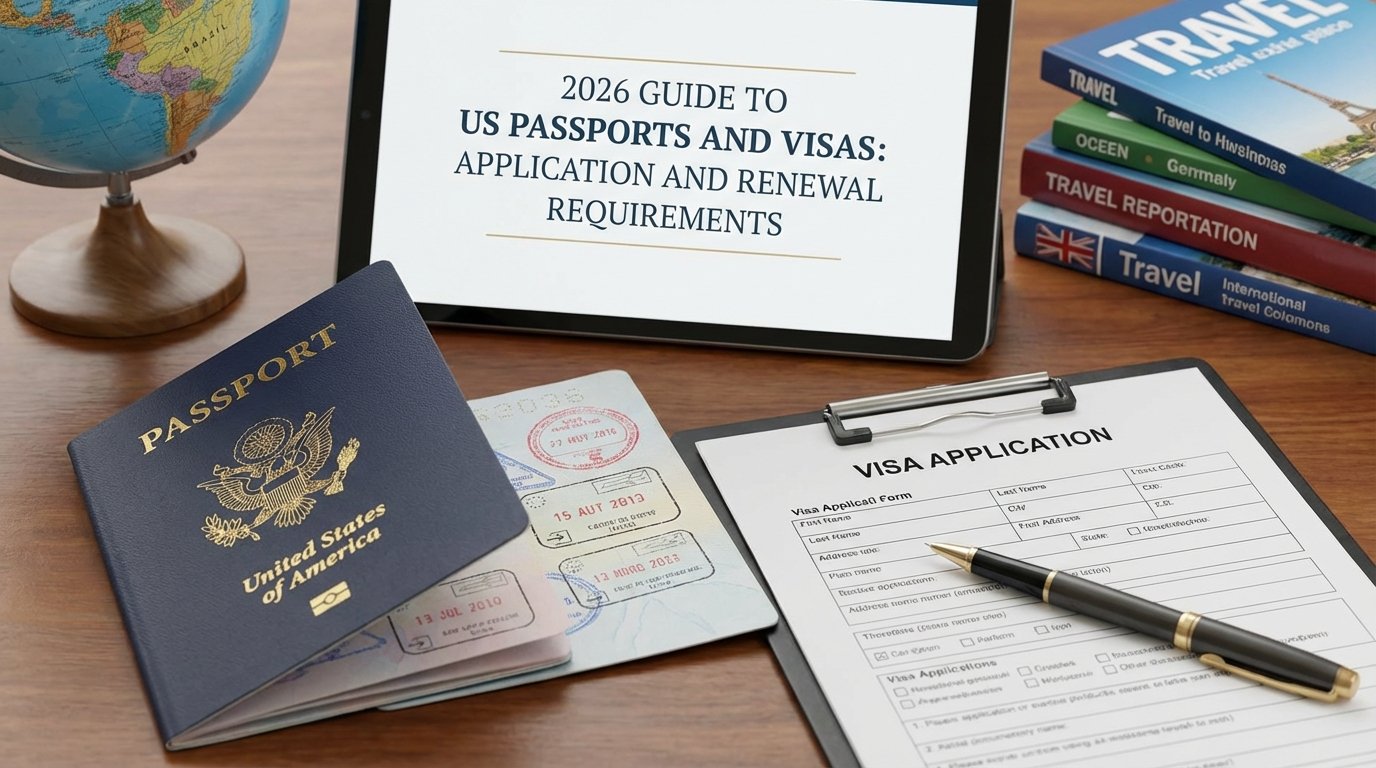
Real-world example: a 14 day trip to Thailand may be visa-free for tourists, but longer stays can require an exemption or eTA. If you’re planning border crossings, verify entry requirements to prevent surprises.
Travel insurance that won’t break the bank
Travel insurance protects you without draining your budget. Prioritize core coverages that match your trip style.
- Compare medical, trip cancellation, and baggage protection
- Start with a baseline plan and add extras only where needed
- Check limits and the claims process to avoid issues on return
Budget tip: for high-risk destinations, choose a plan with a minimum medical cap around 250,000 USD and confirm emergency assistance lines. If you engage in activities like skiing or scuba, ensure equipment coverage is included.
SIM cards, data plans, and connectivity on a budget
Staying connected matters for navigation and safety. Plan ahead to get affordable data access.
- Research regional eSIM options or local SIMs before departure
- Estimate data needs from maps, streaming, and backups
- Seek short-term plans that cover essential use without overspending
Practical steps: map daily data use to pick a plan that ranges from 2-5 GB per day for city trips to 10-20 GB for remote adventures. Use offline maps as a backup and switch to a local SIM on arrival to maximize value.
| Option | Pros | Cons |
|---|---|---|
| Visa on arrival | Faster setup; fewer steps | Limited to select countries |
| E Visa | Online processing; clear requirements | Processing fees may apply |
| Travel insurance baseline | Lower upfront cost | May exclude outdated activities |
| E SIM | Instant connectivity; easy switching | Depends on device compatibility |
7. Build a Long-Term Travel Strategy
Turn short trips into a sustainable habit with steady planning you can keep over time. The goal is consistent saving and thoughtful scheduling that fits your life, not a one off sprint.
Saving tactics for ongoing trips
- Set a clear monthly target and automate transfers to a dedicated travel fund.
- Use flexible, low-penalty accounts you can access for travel needs.
- Habitual savings like rounding up purchases and capturing small windfalls add up over the year.
Seasonal and shoulder travel planning
- Build a multi-season calendar to take advantage of lower prices and lighter crowds.
- Coordinate major trips with local events that offer free or discounted activities.
- Have a backup plan for peak times to avoid price spikes and sold-out options.
Balancing work, study, and travel commitments
- Explore work arrangements that create travel blocks, such as remote sprints or sabbaticals.
- Pair study breaks with travel windows to maximize learning and experience.
- Adopt a staggered approach with shorter trips between longer commitments to sustain momentum.
FAQ
Below are quick answers to common questions about traveling on a budget. Each point stays focused on practical, actionable guidance.
- What is the best way to start budgeting for travel? Start with a simple monthly target, open a dedicated savings account, and automate transfers on payday. Track spending for at least one month to identify nonessential costs you can cut.
- How can I find cheap flights quickly? Use multiple flight search engines, compare nearby departure cities, and be flexible with dates. Look for mistake fares and midweek departures when possible.
- Are budget accommodations reliable? Yes, especially hostels, guesthouses, and apartment shares. Read reviews, check location safety, and verify inclusive amenities like lockers or kitchens.
- Is it worth buying travel passes or loyalty cards? Yes, if you travel regularly within a region. Compare upfront costs to potential savings on transport and attractions over time.
- How can I eat well while traveling cheaply? Cook when possible, shop at groceries, and eat like locals at casual eateries. Plan a daily food budget to avoid overspending.
- What about safety and insurance on a budget? Choose a base policy that covers medical emergencies, trip interruption, and lost gear. Review limits and claim steps before buying.
Practical budgeting add-ons
- Set a rolling travel fund goal and review it monthly. If you miss a target, adjust by eliminating one recurring small expense for 2-3 weeks.
- Track every airport transfer, bag fee, and seat upgrade. Small charges add up fast and become decisions about comfort versus cost.
- Use city transit passes for a weekend trip. For example, a 48-hour pass can pay for itself with two museum visits and two airport hops.
| Topic | Common Question | Key Hint |
|---|---|---|
| Flights | How to spot cheap flight deals? | Compare multiple search engines and be flexible with dates and destinations. |
| Accommodations | Are hostels safe for solo travelers? | Check reviews, pick well-rated properties, and use secure lockers. |
| Dining | How to dine cheaply without sacrificing meals? | Shop groceries and choose local, casual eateries over tourist spots. |
Conclusion
Younger travelers can maximize time on the road without draining funds by pairing smart flight hunting with savvy stays and mindful daily spend. The core idea is simple: small, consistent savings add up over many trips.

Each traveler should build a practical framework that fits their life. Start with reliable flight searches, then lock in affordable accommodations and dining strategies that sustain longer journeys. Plan around off-peak windows and use freebies to stretch your budget further.
- Keep a flexible mindset on dates and destinations to unlock cheaper options.
- Leverage loyalty programs and student discounts when available.
- Balance experiences with cost by prioritizing free or low-cost activities.
As you refine your approach, your budget travel skills become second nature. Our aim at trafels.com is to help you navigate the logistics with confidence, so you can focus on the sights and stories that matter most.