

Table of Contents
- The Advisory Trap: Seeing Past Generalized Risks
- Foundational Failure: Why Insurance Gaps Are the Real Threat
- Legal Landmines: Documentation and Entry Non Compliance
- Beyond Biological Threats: Human Threats and Security Lapses
- The Expert Traveler’s Mindset: Moving Beyond the Noise
- Foundational Risks: Your FAQ Checklist for the USA
So, you noticed the headlines again, right? The Public Health Agency of Canada recently updated its travel health information for the United States (USA), and suddenly, everyone is talking about generalized threats.
It feels like we should panic about the latest health or political scare, doesn’t it? But if you are an expert traveler, you know that focusing only on that broad Risk level assessment is missing the point entirely.

Here is the secret: those high-profile Travel advisories are often a massive distraction. They pull your attention away from the high-impact, individual risks that actually cause critical failures, things like financial ruin, long-term legal detention, or mission compromise.
We are not saying you should ignore government alerts or dismiss the need for Normal security precautions. But if you are only worrying about generalized disease spread, you are probably overlooking the detailed Safety and security protocols that truly keep you out of serious trouble.
The expert traveler does not just react to noise. They proactively manage the foundational risks of complex international movement, ensuring their preparation is detail oriented and robust.
The Advisory Trap: Seeing Past Generalized Risks
The Public Health Agency of Canada often issues travel health information that suggests taking normal security precautions when heading to the United States (USA). That sounds reassuring, doesn’t it? But for the expert traveler, that blanket statement is actually a trap.
You see, government alerts focus on broad, generalized risks. They address macro concerns like public health or political squabbles. But your trip does not fail because of a macro risk; it fails because of a micro failure, a lapse in your personal safety and security protocols, or maybe an overlooked entry and exit requirement.
We need to shift our focus immediately. Stop worrying about the generalized risk level assessment and start focusing on the actual, immediate threats that determine whether your complex international movement is a success or a disaster.
Understanding the Varied Risk Level of United States Travel
The truth is, the United States is not a single risk zone. The Public Health Agency of Canada provides travel advice and advisories, but expert travelers know that those dangers vary drastically by location. What is considered safe in a rural state is certainly not the same as managing safety and security in a major urban area.
You must recognize that potential hazards change depending on where you are. Are you traveling near the Border with Mexico? Areas in California, Arizona, New Mexico, and Texas require intense vigilance, especially regarding criminal incidents associated with drug trafficking and organized crime groups.
Experts emphasize that you should avoid traveling at night near the U.S. Mexico border and always stick to officially recognized border checkpoints. This kind of detail is far more crucial than a general health warning.
Petty Crime, Violent Crime, and Gun Violence
While generalized travel advisories might mention crime, they often downplay the daily reality. Petty crime, like pickpocketing, robbery ploys, and credit card fraud, is prevalent in highly populated tourist centers. You need to be prepared for that.
But the far greater danger is violent crime, which disproportionately affects poor neighborhoods, especially after dusk. If you find yourself in a high-risk situation, expert travel advice is always the same: do not resist. Your life is worth more than your belongings.
And we cannot ignore the prevalence of gun violence and mass shootings in the United States. While tourists are rarely the specific targets, the high rate of firearm possession means every expert traveler must develop an active shooter preparedness plan. It is a necessary security precaution for modern USA travel advice.
Legal Failures and High-Level Security Scrutiny
Beyond criminal incidents, we must consider immediate administrative failures. Legal non compliance is a guaranteed travel stopper, often overlooked when focusing on health information. Did you confirm the specifics of your entry and exit requirements enforcement?
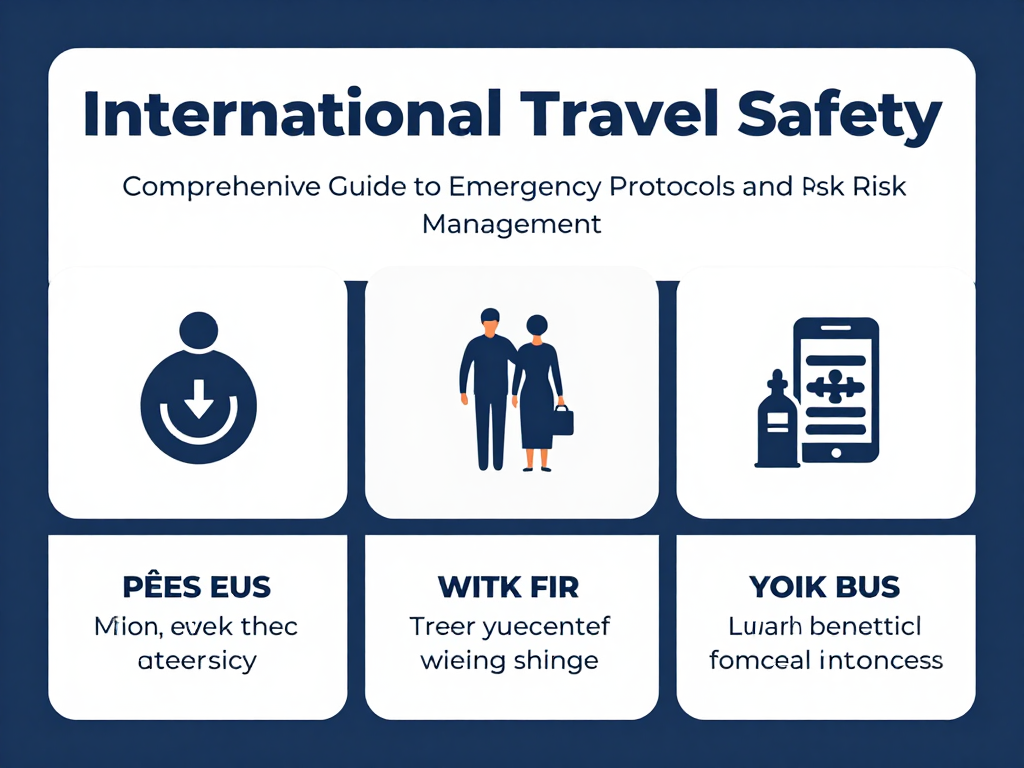
Even Canadian travelers must present valid travel documents for US entry, and verification can be strict and scrutinized by U.S. Customs and Border Protection (CBP). If you require a visa or have issues with the maximum six month stay, you could face immediate detention.
Finally, expert travelers never forget the terrorism threat awareness. The U.S. Department of Homeland Security (DHS) issues the National Terrorism Advisory System warnings. Are you checking those? They communicate potential threats targeting government buildings, transportation hubs, and popular public areas. Focusing only on generalized health threats means missing these critical, immediate safety risks.
Foundational Failure: Why Insurance Gaps Are the Real Threat
So, the Public Health Agency of Canada issues generalized travel health information, right? We read it, we nod, and we think we are prepared. But let us be real, the biggest risk to your trip’s success, especially when planning complex United States travel, is usually not the generalized safety and security threat they warn about.
It is money. This is where most international trips fall apart. You probably have standard travel health insurance, and that is great for minor issues. But that basic coverage is often a false sense of security when you look at the true risk level of a major incident.

The true danger is not catching a minor illness; it is what happens if you get *critically* sick or seriously injured far from home. A catastrophic medical event in the United States could easily leave you facing six figure debt, even with what you thought was decent basic coverage.
Why? Because standard policies cap medical evacuation and repatriation costs way too low. If you need a specialized air ambulance to bring you back across the border to Canada, that can easily cost upwards of $150,000.
If your current insurance caps that crucial coverage at, say, $25,000, who pays the difference? *You do.* That gap is a foundational failure. Expert travelers mandate specialized, high limit medevac and repatriation coverage because it is a higher immediate risk management priority than almost any generalized health advisory.
You absolutely must scrutinize the fine print. Does your policy even cover the medical repatriation of remains? Does it include cash advances if you are detained or hospitalized? Do not let generalized travel advisories distract you from this specific, potentially ruinous financial risk.
| Feature | Standard Travel Health Policy | Expert Medevac/Repatriation Plan |
|---|---|---|
| Emergency Evacuation | Capped low (e.g., $25,000 limit) | Mandatory inclusion, unlimited or high limit ($5M+) |
| Repatriation of Remains | Often excluded or requires separate rider | Guaranteed coverage and logistics handled |
| Out of Country Hospital Stay | Limited maximum payout, strict pre approval needed | High limit, dedicated case management team |
| Legal Support/Bail | Not included | Sometimes included for mission critical travel |
Legal Landmines: Documentation and Entry Non Compliance
You know, generalized health advisories from the Public Health Agency of Canada are easy to ignore. But failing legal documentation? That is a deterministic travel stopper.
You cannot talk your way out of a denial at the port of entry. The risk of being detained or immediately turned away by U.S. Customs and Border Protection (CBP) is far more concrete than worrying about generalized disease spread.
Scrutiny at the Border: Entry and Exit Requirements Enforcement
For expert travelers, the foundational risk is always non compliance. Even for Canadian citizens heading to the United States (USA), where the rules seem simple, the enforcement of Entry and exit requirements is strict and highly scrutinized.
You must present valid passports or approved travel documents for United States travel, strictly following the rules set by the Western Hemisphere Travel Initiative (WHTI). This is mandatory whether you cross by air, land, or water.
And you really cannot forget the six month rule. While Canadians usually skip this passport validity requirement, if you are using a different passport or entering under specific visa categories, that six month buffer matters immensely for your safety and security.
Most Canadians can stay up to six months without a specific visa. But if you need a visa or are traveling under the Visa Waiver Program, you must have the required ESTA pre approval. Failure to adhere strictly to these rules can lead to immediate denial, or worse, visa revocation.
We have seen cases where revocations occur purely based on eligibility violations or perceived intent, regardless of previous successful trips. The level of Border control scrutiny applied by U.S. Customs and Border Protection (CBP) is incredibly high, so verify every document before you leave.
Understanding Varying Risk Levels in USA Travel
When the Public Health Agency of Canada issues Travel advisories, they often provide updated risk level maps for US destinations. Expert travelers know these risk levels are not uniform; they point to varying danger zones that travelers often overlook.
This means your USA travel advice must be dynamic. The risk level assessment in a major city center is completely different from a remote hiking trail or a border town. Ignoring this nuance increases your vulnerability to potential hazards.
Navigating the Southern Edge: U.S. Mexico Border Precautions
For those traveling near or across the southern boundary of the United States, specific precautions are mandatory. This area, especially in states like California, Arizona, New Mexico, and Texas, demands extreme vigilance.
These regions see higher activity related to Drug trafficking and associated Criminal incidents. We strongly advise travelers to absolutely avoid traveling at night near these areas and to only use Officially recognized border checkpoints.
While U.S. Customs and Border Protection (CBP) maintains a strong presence, the areas immediately adjacent to the Border with Mexico can be volatile due to the presence of Organized crime groups. Your safety and security precautions depend entirely on sticking to established routes.
Human Threats: Petty Crime and Violent Crime Dangers
Forget the generalized health warnings for a moment. The immediate threat to your wallet and physical well being comes from common criminal activity. Petty crime like pickpocketing is prevalent in urban tourist areas.
But you also need awareness of Violent crime in urban areas, which disproportionately affects poor neighborhoods, usually after dusk. You should always be aware of potential Robbery ploys targeting travelers, especially those involving distraction or ATM fraud.
If you are threatened, the advice remains clear: avoid resistance. Your possessions are replaceable; your mission is not worth physical harm. We also advise reviewing simple steps to prevent Home break ins if you are renting an extended stay property.
Active Shooter Preparedness: A Necessary Reality
We know this sounds intense, but expert United States travel requires acknowledging the reality of Gun violence and high firearm possession rates in many states. While tourists are rarely direct victims, Mass shootings are tragically common in the USA.
You must develop a basic Active shooter preparedness plan. The Federal Bureau of Investigation (FBI) recommends the “Run, Hide, Fight” protocol. Knowing your exit routes in large public venues, like malls, theaters, or transportation hubs, is a critical security precaution.
Terrorism Threat Awareness
Another risk often overshadowed by media noise is the potential for domestic or international terrorism. The U.S. Department of Homeland Security (DHS) uses the National Terrorism Advisory System to warn the public.
These warnings often target government buildings, transportation hubs, and popular public areas. As a traveler, you must incorporate this into your Risk level assessment. High value targets are always potential points of failure, so maintain situational awareness in crowded places.
This level of detail moves you beyond generalized Travel health information and into truly proactive Safety and security precautions.
Beyond Biological Threats: Human Threats and Security Lapses
When the Public Health Agency of Canada issues a new health advisory, what happens? Travelers often focus entirely on washing their hands and wearing a mask, right?
But that hyper focus makes us relax our critical physical and digital security protocols. Honestly, for the expert traveler, human threats and criminal incidents are often far more common and damaging than generalized biological risks.
Assessing the Safety and Security Risk Level
You cannot rely on broad generalizations for safety. The Canadian government provides updated Risk level maps for United States travel, and you need to look closer than the headlines.
You must understand that the risk profile changes drastically block by block in major urban areas. Applying normal security precautions means recognizing that generalized travel advice does not account for local danger zones.
Petty Crime and Violent Crime in Urban Areas
Petty crime, like pickpocketing, is highly prevalent in highly populated tourist areas. You should never let your guard down near major attractions.
But the risk increases significantly when we talk about Violent crime. This type of crime often disproportionately affects poorer neighborhoods, especially after dusk. Expert travelers know to avoid traveling at night in unfamiliar or low lit areas.
Be alert to common Robbery ploys targeting travelers, such as staged accidents or distractions. Security experts advise against resistance if you find yourself threatened; your personal safety should always be your priority over material possessions.
And if you are renting short term accommodations, watch out for Home break ins. Always ensure all security measures are activated before you leave or go to sleep.
The Reality of Gun Violence and Mass Shootings
The unfortunate reality of United States travel is that incidents of Gun violence and Mass shootings are tragically common, given the high rates of firearm possession across many states.
While tourists are rarely the specific target, you must be prepared for the possibility of being caught in an incident. This is not about fear; it is about detailed, proactive planning for a low probability, high impact event.
The expert traveler develops an Active shooter preparedness plan. This means knowing the exits, taking cover, and understanding the “Run, Hide, Fight” protocol immediately upon recognizing a threat.
Vigilance Near the U.S. Mexico Border
Even if your trip does not involve crossing, you must be aware of the heightened security risks near the Border with Mexico, especially in areas of California, Arizona, New Mexico, and Texas.
Criminal incidents associated with drug trafficking and organized crime groups are concentrated in these border regions. If you must travel there, always use officially recognized border crossings and avoid night crossings to minimize risk.
The intense scrutiny required for Entry and exit requirements enforcement means that border control is always high alert in these areas, and you need to be extra vigilant.
Digital Security and Terrorism Awareness
Your digital footprint is just as important as your physical safety. The Federal Bureau of Investigation (FBI) and the Cybersecurity and Infrastructure Security Agency (CISA) consistently warn about digital threats targeting travelers.
Secure communications are essential for USA travel advice. Always use a Virtual Private Network (VPN) when connecting to public Wi Fi, especially in airports or transportation hubs.
Furthermore, you must be aware of the terrorism threat landscape. The U.S. Department of Homeland Security (DHS) issues public alerts via the National Terrorism Advisory System, warning of potential terrorist attacks.
These alerts often target government buildings, transportation hubs, and popular public areas. Do not overlook them just because you are focused on generalized health Travel advisories.
Remember the scrutiny at the border. U.S. Customs and Border Protection (CBP) agents have the authority to search electronic devices upon entry and exit. Placing devices in airplane mode before crossing helps prevent unintended data downloads that could complicate screenings and border control scrutiny.
The Expert Traveler’s Mindset: Moving Beyond the Noise
Look, the core difference between a tourist and an expert traveler is not about how many stamps you have in your passport. It comes down to mindset.
A tourist reacts to the latest media scare or the general travel health information released by the Public Health Agency of Canada. But you? You manage risk proactively, focusing only on the variables you can actually control.
We cannot let generalized fear about broad travel advisories distract us from the specific, high stakes logistical and legal preparation required for complex movement into the United States (USA).
Legal Compliance is Your First Line of Defense
When you focus on disease spread, it is easy to forget that legal failure is absolute failure. The government of Canada reminds us about Entry and exit requirements for a reason.
Are you 100% sure about your passport validity? Remember that crucial six month rule. If your passport expires soon after your planned return, you could face serious Border control scrutiny from U.S. Customs and Border Protection (CBP).
Most Canadians can stay up to six months without a visa, but you still need to present valid documents compliant with the Western Hemisphere Travel Initiative (WHTI). Do not assume. Verify every single detail, because visa revocations can happen if you violate eligibility or stay rules.
Assessing Real Safety and Security Risks
While the Public Health Agency focuses on health, we need to focus on physical Safety and security. You have to understand that not every city in the United States travel landscape has the same Risk level.
Expert travelers know that the Canadian government provides updated risk level maps for US destinations, showing varying danger zones that travelers often overlook. You must move beyond Normal security precautions and apply situational awareness.
Petty crime like pickpocketing is prevalent in major urban tourist areas. But the greater danger is Violent crime, which disproportionately affects poor neighborhoods, especially after dusk. If threatened, do not resist. Property can be replaced; your mission cannot.
Active Shooter Preparedness and Gun Violence
It is an uncomfortable truth about the United States travel environment: incidents of Gun violence and Mass shootings are common due to high firearm possession rates in many states. While tourists are rarely targeted, you must be prepared.
This means developing a basic Active shooter preparedness plan. Know your exits, identify hard cover, and if you can, escape. This is a real risk that generic travel advisories often sideline in favor of less immediate threats.
The Federal Bureau of Investigation (FBI) regularly analyzes these Criminal incidents, and you should always be aware of your surroundings, especially in large public gathering spots or transportation hubs.
Navigating the U.S. Mexico Border Region
If your trip takes you near the Border with Mexico, you need heightened Security precautions. This area, spanning parts of California, Arizona, New Mexico, and Texas, presents unique challenges.
We see Criminal incidents associated with Drug trafficking and Organized crime groups operating near unofficial crossing points. You must remain vigilant.
Crucially, avoid traveling at night near the border and only use Officially recognized border checkpoints. The U.S. Customs and Border Protection (CBP) presence is intense, and unnecessary exposure to high risk areas is not worth saving a few minutes.
Terrorism Threat Awareness and Digital Hygiene
Do not forget the broader threat landscape. The U.S. Department of Homeland Security (DHS) issues alerts via the National Terrorism Advisory System. These warnings target potential terrorist attacks on infrastructure, government buildings, and transportation hubs.
As an expert traveler, you need to be aware of these threats, even if they seem distant. That proactive mindset applies digitally too.
Secure your devices, use strong VPNs, and assume your digital communications are subject to scrutiny. If you are carrying sensitive data, understand that U.S. Customs and Border Protection (CBP) has wide latitude for device searches upon entry to the USA.
The Expert Traveler’s Conclusion
Your preparation dictates your success. Do not let the noise of generalized Travel advisories or broad Public Health Agency of Canada alerts distract you.
Focus instead on mastering the foundational risks: robust insurance, iron clad legal compliance, and constant situational awareness regarding crime and security.
By mastering these details, you move beyond reactive panic and ensure your United States travel is secure, compliant, and successful. That is what being an expert is all about.
Foundational Risks: Your FAQ Checklist for the USA
You have mastered the expert mindset, so let us get down to the details. We often get asked about the specific high impact risks that the general Travel advisories from the Public Health Agency of Canada tend to minimize. Here are the foundational safety and security precautions you absolutely cannot skip when traveling to the United States (USA).
What is the most critical risk Canadian travelers overlook when visiting the United States?
Honestly, it is not disease; it is financial ruin. The single most critical risk overlooked is inadequate insurance, specifically the lack of high level medical evacuation and repatriation coverage. While you might grab basic travel health insurance, standard plans often will not cover the huge costs of being airlifted back to Canada after a major incident.
Think about it: an emergency medevac flight from the United States could easily cost you upwards of $100,000. If you do not have specialized coverage, you are financially exposed. That is a bigger, more deterministic threat to your stability than any generalized disease spread.
How does the Canadian government assess the risk level for travel to the USA?
The Canadian government uses a tiered system for its Travel advice and advisories. Generally, they rate the United States as “take normal security precautions” overall. But you cannot stop there.
They provide updated Risk level maps and warnings that highlight specific regional dangers. Pay close attention to these maps concerning Violent crime, Gun violence, and areas near the U.S. Mexico border in states like California, Arizona, New Mexico, and Texas. These varying danger zones require you to exercise increased caution locally, moving beyond the general advisory.
Should I worry about border scrutiny if I have a valid Canadian passport?
Absolutely, yes. You should always expect significant Border control scrutiny from U.S. Customs and Border Protection (CBP) agents. While a valid passport meets the basic Entry and exit requirements, agents have immense authority.
They can ask detailed questions about your purpose of travel and they can inspect your electronic devices, too. Refusing to comply with the Entry and exit requirements enforcement can result in immediate denial of entry. Legal non compliance is a guaranteed travel stopper.
What specific steps should I take regarding gun violence preparedness in the USA?
Given the prevalence of Gun violence and Mass shootings in the United States, you need to maintain high situational awareness in all public spaces, transportation hubs, and crowded venues. While tourists are rarely the primary targets, being prepared is key to expert travel.
You must develop an Active shooter preparedness plan mentally. Immediately identify two exits upon entering any location, and be ready to follow established protocols like “Run, Hide, Fight.” This proactive mindset is part of your foundational Safety and security precautions.
Are there unique risks associated with the U.S. Mexico border region?
Yes, the border region, particularly in parts of Texas and Arizona, carries increased risks. This is mainly due to activities related to Drug trafficking and Organized crime groups operating in the area.
Travelers are strongly advised to stick to major highways and use only Officially recognized border crossing points. You must absolutely avoid traveling at night in remote areas near the U.S. Mexico border to minimize exposure to potential Criminal incidents.
What about petty crime and violent crime in US cities?
You need to be aware that Petty crime, like pickpocketing or bag snatches, is highly prevalent in urban tourist areas. Always secure your valuables and never leave bags unattended, even for a second.
Violent crime is a different beast and often disproportionately affects poor neighborhoods, especially after dusk. If you find yourself targeted in a robbery, security experts advise against resistance. Your life and safety are always worth more than your phone or wallet.
Should I worry about terrorism threats in the United States?
While often overshadowed by other issues, the terrorist threat remains a concern. The U.S. Department of Homeland Security (DHS) uses a public alert system, the National Terrorism Advisory System, to warn of potential attacks.
These warnings often target high value locations like government buildings, transportation hubs, and popular public areas. As an expert traveler, you should quickly check the National Terrorism Advisory System before visiting major metropolitan areas to ensure you have not overlooked any active alerts.
Proactive management of these foundational risks, from legal compliance to situational security, is what truly defines the expert traveler. Do not let the headlines distract you from the risks you can actually control.
References
- Travel advice and advisories for United States (USA) – Travel.gc.ca
- Expert warns Canadians about U.S. travel risks : r/onguardforthee
- Should Canadians Be Worried? Media Hype vs U.S. Travel Reality
- Canada Travel Advisory | Travel.State.gov – State Department
- Canada issues travel advisory, flags ‘Avoid All Travel’ countries