
Optimal Time to Visit Machu Picchu
Table of Contents
- 1. The Optimal Window: May and October
- 2. Navigating Machu Picchu Weather and Seasons
- 3. Navigating Peak Tourist Season and Limited Capacity
- 4. Required Advance Reservation Strategy: Booking Machu Picchu Tickets
- 5. Seasonal Comparison Table: Choosing Your Optimal Travel Timing
- 6. Mastering the Inca Trail: Permits and Preparation
- 7. Mastering Visitor Logistics: Tickets, Circuits, and Capacity
- 8. Optimal Travel Timing Selection: Choosing the Best Month to Visit Machu Picchu
- Essential FAQs for Optimal Peru Travel Planning
Planning a trip to the ancient Inca citadel of Machu Picchu requires strategic timing. Located high in the Peruvian Andes, the Machu Picchu weather, crowds, and Machu Picchu tickets availability fluctuate dramatically throughout the year.
Choosing the perfect travel window is essential for maximizing your experience, especially if you plan to Hike the Inca Trail or explore the Sacred Valley near Cusco, Peru. This location is subject to significant Seasonal Variation in Tourism Demand.

This guide provides the critical data necessary for Optimal Travel Timing Selection. We help you navigate the high altitude conditions and secure your spot at this UNESCO World Heritage site, ensuring you choose the best time to visit Machu Picchu.
1. The Optimal Window: May and October
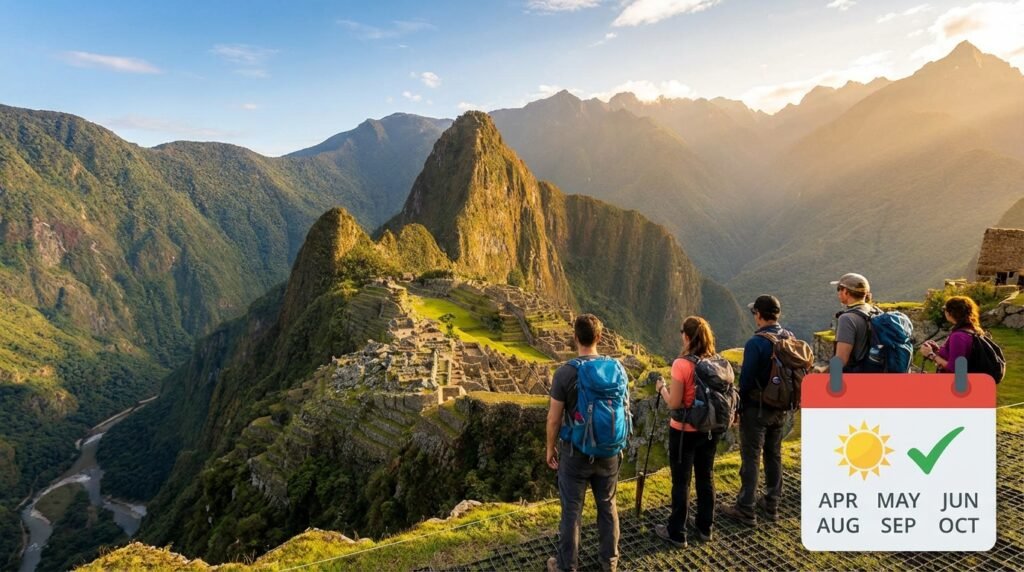
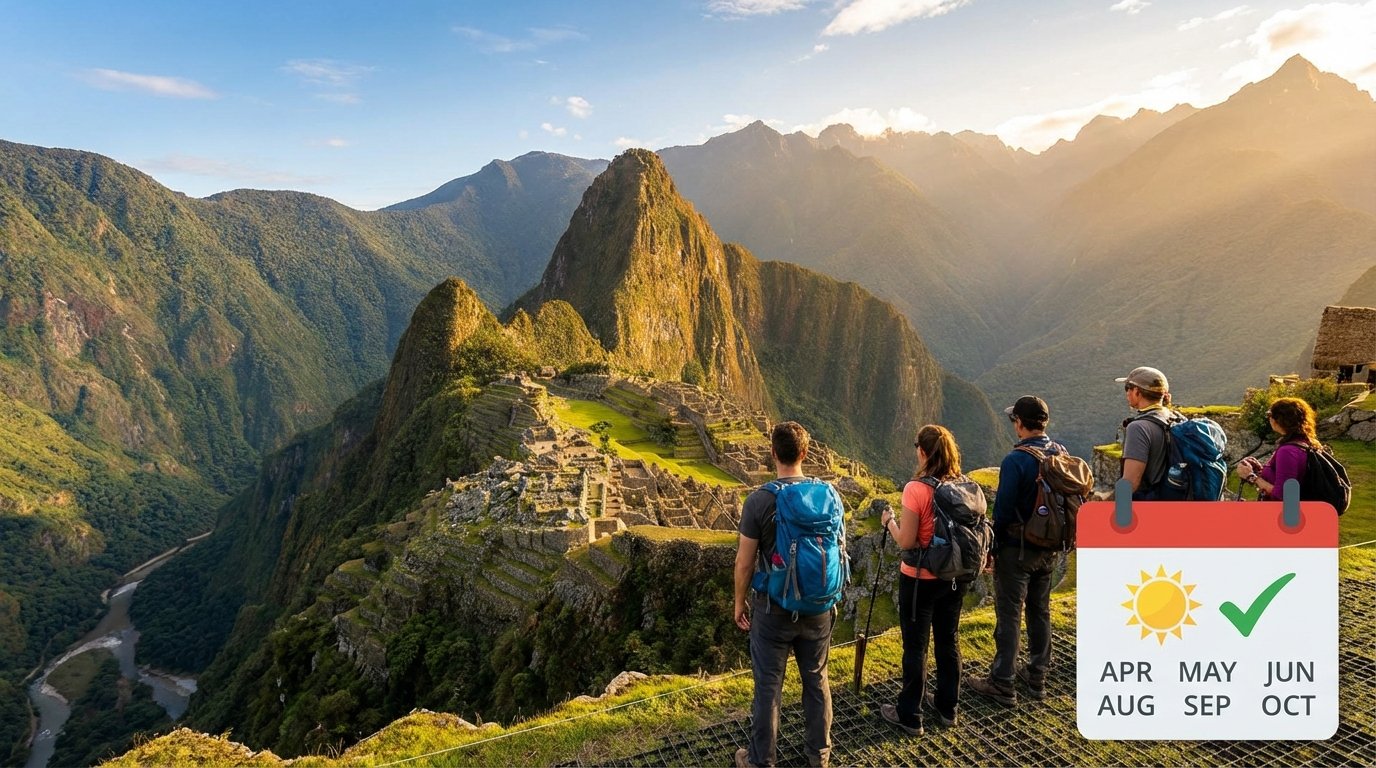
The absolute Best time to visit Machu Picchu is during the shoulder months. These periods perfectly balance the ideal Machu Picchu weather of the Dry Season with significantly fewer crowds than the peak summer.
If you are planning your Peru travel, aiming for May or October ensures you maximize visibility and comfort while navigating this ancient wonder.
Why Shoulder Season Guarantees the Best Experience
The months of May and October are widely considered the sweet spot for visiting the citadel. The landscapes remain lush and green following the heavy Rainy Season (which runs roughly December to February), but the skies are reliably clear.
You benefit from Warm days and Cool evenings, with typical Machu Picchu temperatures ranging comfortably from 50 to 80°F (10 to 27°C) during the day.

This timing allows you to secure Machu Picchu tickets and enjoy the site’s Limited capacity without the intense congestion seen during mid-peak season.
May: The Start of Perfection for Hiking
May arrives immediately after the heavy rains subside. The air is crisp, the trails are drying out, and the surrounding mountains near Cusco are vibrant.
If you are considering Trekking the Inca Trail, May provides superb Weather Dependent Trail Conditions before the major surge of trekkers in June and July.
Experts like those at Active Adventures favor May for its quieter trails and excellent conditions for securing the highly sought-after Machu Picchu permits and avoiding the worst of the competition.
October: Your Second Chance for Clear Skies
October offers similar advantages, serving as the buffer before the true wet season returns. The peak season crowds (June through August) have departed, making it easier to manage the site’s strict visitor quotas imposed by the Peruvian government.
This provides excellent conditions for exploration and photography, making it a prime month for ensuring a successful Required Advance Reservation Strategy for your entrance.
While May and October are optimal, consider April and September as strong alternatives, offering reliable weather and quieter trails for your Machu Picchu tours.
2. Navigating Machu Picchu Weather and Seasons
Choosing the Best time to visit Machu Picchu hinges entirely on understanding the local climate. The Machu Picchu weather is defined by two distinct periods, crucial for planning your Peru travel and High altitude preparation.
Understanding these seasonal variations is vital for determining the viability of Trekking the Inca Trail versus simply taking a day trip.
The Dry Season (April to October)
The Dry Season offers the most reliable conditions for exploring the ancient citadel. You can expect sunny days, minimal precipitation, and crystal-clear views for photography.
Machu Picchu temperatures during this season are consistent year-round, generally ranging from 50 to 80 degrees Fahrenheit (10 to 27 degrees Celsius). While you will experience warm days, remember that cool evenings and nights are standard, especially in the higher elevations around Cusco.
- Optimal Benefit: Ideal conditions for hiking and avoiding the muddy trails associated with the wet months.
- Key Drawback: This window includes the peak tourist season (June, July, August), leading to maximum crowds and higher prices for Machu Picchu tickets and accommodations.
The Rainy Season (November to March)
The Rainy Season is characterized by heavy downpours, peaking between December and February. While the rain often falls primarily in the afternoon, it can significantly affect visibility due to fog.

The primary advantage of visiting during the Rainy Season is the dramatic reduction in crowd density. This makes it a great low-cost travel window with better availability for flights and lodging, and often better deals on Machu Picchu tours.
- Optimal Benefit: Lowest crowds, lush green scenery, and better availability for booking scarce Machu Picchu permits.
- Key Drawback: Heavy rainfall can complicate Trekking the Inca Trail and sometimes obscure the spectacular views of the site.
Critical Note: Annual Trail Maintenance Closures
If you plan to Hike the Inca Trail, be aware of the mandatory closure period. The Peruvian government mandates the closure of the Inca Trail every February for necessary Annual Trail Maintenance Closures.
This is critical information for your planning. Travelers seeking a multi-day trek during February must consider alternatives, such as the Lares Inca Trail or the Salkantay route. Rest assured, Machu Picchu itself remains open during February, accessible via the train route from Aguas Calientes.
3. Navigating Peak Tourist Season and Limited Capacity

If you plan to Visit Machu Picchu during the high season, expect intense competition for entry. The busiest travel window is the Dry Season, specifically June, July, and August, driven by reliable weather and global school breaks.
While the Machu Picchu weather is ideal during this time, offering warm days and cool evenings (temperatures ranging from 50 to 80°F), you must prioritize a Required Advance Reservation Strategy due to high demand.
Capacity Restrictions and Advance Booking Strategy
The Peruvian government strictly enforces Capacity Restrictions for Heritage Conservation. The daily visitor cap for Machu Picchu currently ranges between 4,500 and 5,600 daily visitors, depending on the specific circuits available.
This strict Limited capacity means Machu Picchu tickets and Machu Picchu permits, especially for popular routes, sell out months in advance. Booking 4 to 6 months ahead is non-negotiable during peak travel.
Optimal Travel Timing: The Shoulder Months
For the Best time to visit with reliable weather and reduced crowds, target the shoulder months: May and October. These months offer the benefits of the Dry Season, including suitable conditions for Trekking the Inca Trail, without the intense congestion of mid-summer.
April and September are also excellent choices, providing pleasant temperatures and fewer crowds than peak season. If you plan to Hike the Inca Trail, October and May are ideal due to pleasant daytime temperatures (around 72°F).
Crowd Dispersion Techniques and Peak Timing
Special events significantly increase congestion. Expect high traffic during holidays like Holy Week, Spring Break (March/April), and Peru Independence Day (July 28). If visiting Cusco and the Sacred Valley during these times, plan your tours meticulously.
To truly manage the crowds, timing your entry to Machu Picchu is essential. Most day-trippers arrive from Aguas Calientes between 10 am and 2 pm, making this the most congested window.
Best Time of Day to Visit Machu Picchu
To ensure a quieter, more reflective experience, aim for the edges of the day:
- Early Morning (6:00 am to 8:00 am): This is the prime time to witness the sunrise and atmospheric mist. You benefit from cooler Machu Picchu temperatures and excellent lighting for photography before the mass arrivals.
- Late Afternoon (3:00 pm to 5:30 pm): As the main wave of visitors departs, the site empties out, allowing for a quieter experience as the sun sets over the ancient city in Peru.
4. Required Advance Reservation Strategy: Booking Machu Picchu Tickets
Visiting Machu Picchu requires strategic planning, especially concerning tickets and permits. Due to the Management of Limited Access Permits enforced by the Peruvian government, capacity is strictly limited for heritage conservation.
You must adhere to the Required Advance Reservation Strategy to guarantee entry, particularly if traveling during the popular Dry Season (April to October) or aiming for specific hikes.
The government caps daily visitors at 4,500, 5,600, emphasizing the need for advance booking to secure your spot and preferred entry time.
Trekking the Inca Trail: Permits Sell Out Fast
If you plan to Hike the Inca Trail, securing Inca Trail permits is the most time-sensitive step. These permits are extremely limited and often sell out six to twelve months in advance, especially for the high demand months like May and October.
The Inca Trail is subject to Annual Trail Maintenance Closures every February. Plan your Peru travel accordingly, as no permits are issued during that month.
For those seeking alternatives, the Lares Inca Trail offers greater flexibility without the intense competition for restricted permits.
Huayna Picchu and Machu Picchu Mountain Tickets
Climbing the two peaks overlooking the citadel, Huayna Picchu and Machu Picchu Mountain, requires separate, time-specific tickets. These specialized Machu Picchu tickets are even more limited than the general entry tickets.
If these climbs are on your itinerary, you must book them simultaneously with your main entrance ticket, typically four to six months out. This is crucial during the peak Dry Season months.
Logistical Ease: Utilizing Guided Tour Services
Many travelers opt for Guided Tour Service Utilization when planning their trip from Cusco or Aguas Calientes. Reputable companies specializing in Machu Picchu tours often pre-purchase blocks of permits and tickets.
Using a guided service ensures logistical ease, adherence to safety protocols, and better chances of securing hard-to-get Machu Picchu permits during periods of high demand and Limited capacity.
5. Seasonal Comparison Table: Choosing Your Optimal Travel Timing
Selecting the best time to visit Machu Picchu depends entirely on your tolerance for crowds and your desire for ideal Machu Picchu weather. Strategic timing is crucial for securing Machu Picchu tickets and Inca Trail permits.
Use this comparison to quickly analyze the main factors, from the Dry Season to the Rainy Season, to select the best month for your Peru travel experience.
| Season | Months | Weather/Conditions | Crowd Level | Cost/Availability |
|---|---|---|---|---|
| Shoulder (Optimal) | April, May, September, October | Reliable weather, lush views after the Rainy Season. Expect Warm days and Cool evenings in Cusco. | Medium to High | High demand for Inca Trail permits. Book Machu Picchu tours 4+ months ahead. |
| Dry (Peak) | June, July, August | Best trekking the Inca Trail conditions with clearest skies and stable Machu Picchu temperatures. | Maximum | Highest prices. Machu Picchu tickets sell out instantly due to high tourist demand and Limited capacity. |
| Wet (Low) | November, March | Intermittent heavy rain, very green landscapes. Good time to visit Machu Picchu before the peak crowds return. | Low | Good deals on accommodation and flights. Trails can be slippery. |
| Wet (Closure) | December, January, February | Heaviest rainfall, muddy trails. The Inca Trail is closed in February for Annual Trail Maintenance Closures. | Lowest | Great for budget Peru travel, but be prepared for rain and fog. |
6. Mastering the Inca Trail: Permits and Preparation
If you plan to Hike the Inca Trail, strategic timing is non-negotiable. This iconic trek demands early planning due to strict capacity controls enforced by the Peruvian government.
Choosing the best time to visit Machu Picchu is crucial for securing the necessary Machu Picchu permits and ensuring comfortable trail conditions.
Optimal Machu Picchu Temperatures for Trekking
The best month to visit for hiking is often considered May or October. These shoulder months offer a sweet spot between the heavy rains and the peak crowds of the mid-Dry Season.
You will experience pleasant Machu Picchu temperatures during the day, often reaching 72 degrees Fahrenheit (22 degrees Celsius). Expect comfortable Warm days for trekking, followed by significantly Cool evenings.
Critical Booking: Securing Inca Trail Permits
The Inca Trail operates under a strict Limited capacity policy to protect the heritage site. This means Machu Picchu permits often sell out six months to a year in advance, especially for the peak season months of June, July, and August.
The entire trail is subject to Annual Trail Maintenance Closures and is closed during February. If you want to Trekking the Inca Trail, implement a Required Advance Reservation Strategy immediately after your Peru travel dates are set.
Securing your spot requires booking through authorized Machu Picchu tours operators who manage the allocation of these scarce permits.
Essential High Altitude Travel Preparation
Regardless of the Machu Picchu weather, the high elevation of the region requires careful consideration. Cusco, the gateway city, sits at over 11,000 feet.
Prioritize High Altitude Travel Preparation by spending at least two to three days acclimatizing in Cusco or the Sacred Valley.
This preparation is vital for safety protocols and enjoyment before attempting strenuous activity like the Inca Trail or exploring the surrounding peaks near Machu Picchu.
7. Mastering Visitor Logistics: Tickets, Circuits, and Capacity
Planning your trip requires more than just picking the right month. Securing your entry demands precision due to strict regulations enforced by the Peruvian government.
The site utilizes stringent Safety protocols and Capacity Restrictions for Heritage Conservation. While Machu Picchu is open year-round, you must adhere to specific time slots and defined circuits.
Understanding the Circuit System
To manage the flow of visitors and implement effective Crowd Dispersion Techniques, the citadel uses distinct circuits. These routes limit your movement, ensuring conservation and preventing bottlenecks.
When booking your Machu Picchu tickets, you are choosing a specific circuit and an hour-long entry window. If you miss this time slot, your ticket may be forfeited.
This high requirement for punctuality is critical, especially when traveling from Aguas Calientes via the busy bus system.
Strict Limited Capacity Regulations
Daily entry is managed through the Management of Limited Access Permits. The Peruvian government caps the number of visitors between 4,500 and 5,600 daily, depending on the season and specific circuit availability.
This strict quota means that slots sell out quickly. Even during the slightly less popular Rainy Season, tickets for the highly desired early morning entry times sell out weeks in advance.
Why Advanced Booking is Essential for Peru Travel
The era of spontaneous visits is over. Advanced booking is critical for every component of your Peru travel, especially during the peak Dry Season (June through August).
You must book your entry to Machu Picchu, train tickets, and lodging in Cusco or Aguas Calientes several months ahead.
If you plan to include popular hikes like Huayna Picchu or visit during the best time to visit Machu Picchu (May and October), securing permits three to four months in advance is non-negotiable.
8. Optimal Travel Timing Selection: Choosing the Best Month to Visit Machu Picchu
Planning your visit to the ancient citadel requires more than just securing your entry; successful Peru travel demands strategic timing. This summary synthesizes the best approach for when to visit Machu Picchu, factoring in weather, crowds, and ticket availability.
Targeting the Ideal Shoulder Seasons: May and October
For the traveler seeking the best balance of weather, crowds, and lush scenery, target May and October. These months immediately follow or precede the heavy Rainy Season, meaning the landscapes are vibrant and green.
You benefit from reliable weather conditions while experiencing fewer crowds compared to the peak summer months. These are often cited as the best month to visit, providing comfortable Machu Picchu temperatures for exploration.
Understanding Seasonal Variation and Crowd Control
The peak tourist season runs from June through August. During this Dry Season, the Machu Picchu weather is most predictable, guaranteeing clear skies for your visit Machu Picchu experience.
However, this period involves maximum crowds and the highest demand for Machu Picchu tickets and tours. The Peruvian government increases daily visitor capacity up to 5,600 during this time, but Limited capacity remains a major factor due to Capacity Restrictions for Heritage Conservation.
If you plan to visit during this window, you must secure your permits and tours at least six months ahead.
Machu Picchu Weather Patterns and High Altitude Travel
Machu Picchu temperatures generally range from 50 to 80°F (10 to 27°C) throughout the year, ensuring you experience warm days and cool evenings. High altitude travel preparation is necessary regardless of the season.
The heavy Rainy Season, running primarily from December to February, features significant rainfall, which can cause muddy trails. Conversely, the Dry Season (April to October) ensures the most reliable trekking conditions for those planning to Hike the Inca Trail.
The Best Time of Day to Visit the Citadel
To maximize your experience and avoid congestion, plan your entry time strategically. Most visitors arrive between 10 am and 2 pm, leading to heavy crowding.
The optimal times to visit Machu Picchu are early morning (around 6 am) to potentially catch the sunrise, or late afternoon (after 3 pm). Visiting during these times offers better lighting for photography and a significant reduction in crowd size.
Management of Limited Access Permits for the Inca Trail
If Trekking the Inca Trail is your priority, the shoulder seasons of May and October are ideal due to pleasant Machu Picchu temperatures (around 72°F/22°C during the day).
Crucially, the Inca Trail is closed during February for annual trail maintenance closures. Management of Limited Access Permits means that Inca Trail permits sell out extremely quickly, especially for peak season dates.
Advanced booking is a Required Advance Reservation Strategy for all popular routes, including the Inca Trail and special mountain hikes like Huayna Picchu.
Essential FAQs for Optimal Peru Travel Planning
What is the best month to visit Machu Picchu to avoid the rainy season?
The optimal time to visit Machu Picchu is during the shoulder seasons: May and October. These months offer reliable Machu Picchu weather, having passed the heavy rainfall of the Rainy Season but avoiding the highest tourist volume of the peak Dry Season (June through August).
If you want the absolute least chance of rain, aim for June or July. However, May provides the perfect balance of good weather, lush green landscapes, and lower tourist volume.
How far in advance should I book my Machu Picchu tickets and permits?
For standard Machu Picchu tickets, you should book at least two to three months in advance, especially if you want the optimal early morning time slots.
If you plan to Hike the Inca Trail or climb specialized mountains like Huayna Picchu, you must book six to twelve months ahead. Due to Limited capacity set by the Peruvian government, Inca Trail permits sell out extremely fast, particularly for peak season dates.
What are the typical Machu Picchu temperatures?
Machu Picchu temperatures are mild year-round, making it possible to Visit Machu Picchu at any time. Expect temperatures ranging between 50 and 80 degrees Fahrenheit (10 to 27 degrees Celsius).
Warm days are common, but the High altitude causes significant drops in temperature, resulting in very Cool evenings and frosty mornings. Layered clothing is essential for managing these shifts.
Is it possible to visit Machu Picchu during the rainy season?
Yes, Machu Picchu is open year-round. The Rainy Season runs from November to March. While you should expect significant rainfall, especially in the afternoons, this low season offers the lowest crowds and the most vibrant, green landscapes.
If you plan on Trekking the Inca Trail, remember that the trail is closed during February for essential Annual Trail Maintenance Closures.
Should I book a Guided Tour Service Utilization for my trip?
For seamless Peru travel, Guided Tour Service Utilization is highly recommended. Tours simplify complex logistics, including securing time-specific Machu Picchu tickets and arranging transport from Cusco or Aguas Calientes.
Specialists like Active Adventures are experts in navigating the current Capacity Restrictions for Heritage Conservation and ensuring you meet all local Safety protocols.
What is the best time of day to visit Machu Picchu?
The Best time to visit is either early morning (around 6 am for sunrise) or late afternoon (after 3 pm). Most visitors arrive between 10 am and 2 pm, so targeting the edges of the day helps implement Crowd Dispersion Techniques.
Early entry provides the best lighting for photography and a quieter experience before the peak tourist rush.
Late afternoon visits offer stunning sunset views and usually allow you to explore the citadel as the last groups depart.
References
- The best time to visit Machu Picchu – Active Adventures
- The Best Time to Visit Machu Picchu: A Guide for First-Timers
- Best time to visit Machu Picchu | Intrepid Travel US
- Best months to visit Machu Picchu for predictable weather – Facebook
- Peru: Best time of the year to travel, Tips, Places to see … – Reddit