


The Best Compression Socks for Travel in 2026
Table of Contents
- 1. Why Compression Socks Are Essential for Travel Health
- 2. Choosing the Right Compression Strength for Air Travel
- 3. Length and Fabric: Key Fit Considerations
- 4. Selecting the Right Compression Level (mmHg)
- 5. Material Matters: Comfort, Durability, and Moisture Management
- 6. Length and Fit: Ensuring Proper Graduated Compression
- 7. Top-Rated Compression Socks for Flying and Road Trips
- 8. Detailed Comparison of Top Travel Compression Socks
- 9. Integrating Compression into Your Travel Routine: Best Practices
- Frequently Asked Questions
- Frequently Asked Questions
- Summary: Your Path to Comfortable Travel
- Frequently Asked Questions About Travel Compression Socks
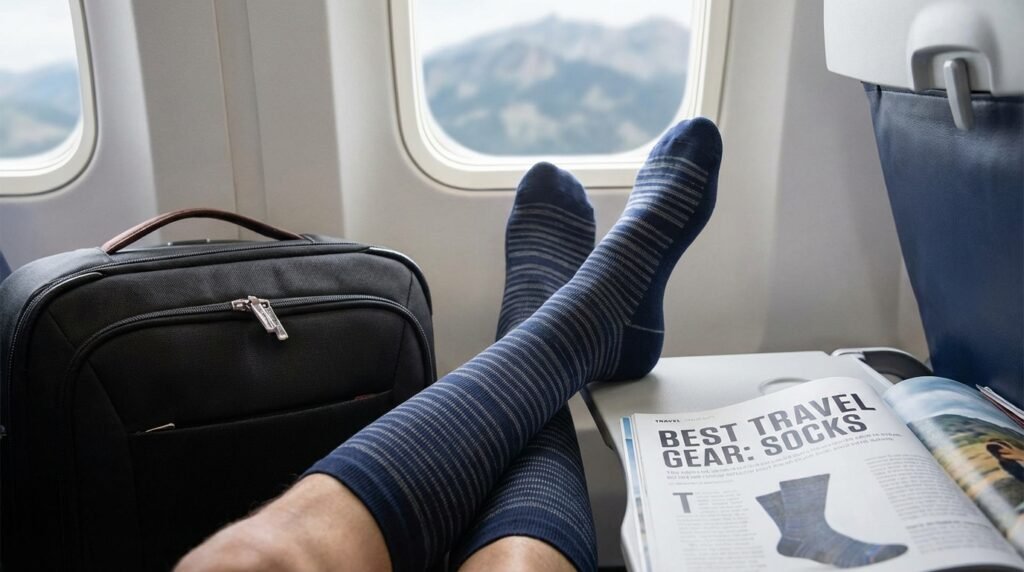
Long flights and extended road trips are notorious for causing heavy, swollen legs and increasing the risk of blood pooling. Choosing the best compression socks for travel is essential for maintaining comfort and health during long periods of immobility.
These specialized garments use graduated compression to apply precise pressure. This supports improved circulation and ensures healthy blood flow returns from your lower extremities back toward the heart.
By facilitating reducing swelling, these travel compression socks help reduce fatigue and minimize the risk of blood clots often associated with extended sitting during air travel socks use.

This comprehensive guide breaks down the critical features, compression levels (such as the standard 15-20 mmHg for moderate compression), and top-rated brands.
We help you select the ideal pair of flight socks for your next journey, featuring highly-rated options from trusted names like Sockwell, Trtl, and Bombas.
1. Why Compression Socks Are Essential for Travel Health
Travel compression socks are more than just comfortable footwear; they are a vital health tool for long periods of immobility. The core mechanism is Graduated Compression, applying the tightest pressure at the ankle and gradually decreasing it up the leg.
This method supports vein walls and encourages healthy blood flow back toward the heart, preventing blood from pooling in the lower extremities. This is critical whether you are enduring long flights or extended road trip compression sessions.
Improved Circulation and Reduced Swelling
Improved circulation is the foundational benefit of wearing compression socks for travel. When sitting for hours, especially under the reduced cabin pressure of air travel, blood flow naturally slows down.
These specialized garments counteract this effect, significantly reducing noticeable swelling in the feet and ankles. Studies indicate that quality compression socks can be 50 percent more effective in preventing noticeable swelling compared to wearing standard non-compression socks.
Reducing Fatigue and Preventing Blood Clots
Travelers frequently report reduced leg fatigue when using the best compression socks. By boosting blood flow efficiency, oxygenated blood reaches your muscles faster, making your legs feel lighter and more energized upon arrival.
More critically, these garments help reduce blood clots, specifically minimizing the risk associated with Deep Vein Thrombosis (DVT). This makes them essential flight socks for anyone concerned about health during extended sitting.
Dr. Hillary Brenner, a leading DPM in New York City, emphasizes that compression stockings are a simple, proactive measure. “They are crucial for anyone sitting still for four hours or more, whether on a plane, bus, or during a long road trip. They actively support healthy blood flow.”
2. Choosing the Right Compression Strength for Air Travel
Selecting the correct compression level is vital for maximizing the benefits of your air travel socks. Compression is measured in millimeters of mercury (mmHg), indicating the pressure applied.
The required level depends on your personal health needs and the length of your trip. You must choose between moderate compression or firm compression.
Moderate Compression (15-20 mmHg)
For most healthy travelers, Moderate Compression (15-20 mmHg) is the ideal choice. This level provides sufficient support for preventing swelling and boosting circulation during long flights.
These graduated compression socks are easy to put on and are excellent for general use and comfort during typical travel durations.
Firm Compression (20-30 mmHg)
If you have existing circulation issues, varicose veins, or are recovering from surgery, you may require Firm Compression (20-30 mmHg). This level provides medical-grade support.
While effective for higher-risk situations, compression socks in this range are tighter and should sometimes be discussed with a doctor, especially for extended use.
3. Length and Fabric: Key Fit Considerations
The fit and material of your travel compression socks directly impact comfort and effectiveness. The length dictates how much of your leg receives the necessary Graduated Compression.
Over-the-Calf vs. Crew-Length Support

For optimal support during long flights, Over-the-Calf Support is strongly recommended. These socks extend just below the knee, ensuring continuous pressure from the ankle to the calf to fully support improved circulation.
Crew-length socks, while stylish and suitable for shorter trips, do not offer the full benefit needed to prevent blood pooling during extended periods of immobility.
Moisture-Wicking Fabric and Comfort
Because you will be wearing these compression socks for flying for many hours, material choice is critical. Look for Moisture-Wicking Fabric to keep your feet dry and reduce the risk of irritation.
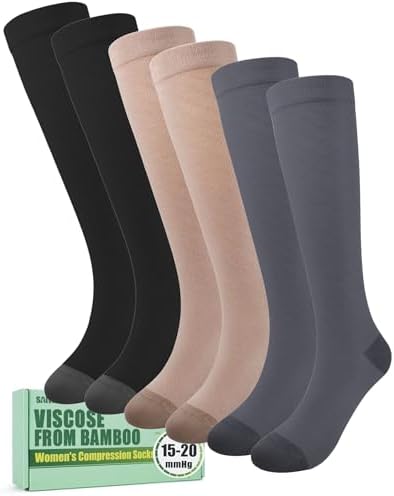
Many top brands, including styles from Sockwell, Trtl Compression Socks, and Bombas Performance Compression Socks, incorporate materials like Coolmax fibers or bamboo blends. These materials, often mixed with Lycra or spandex, provide shape retention and comfort.
Specific products like the Sockwell In Flight or the Bombas Cardinals are known for utilizing these features, ensuring maximum comfort while delivering necessary support.
4. Selecting the Right Compression Level (mmHg)
The effectiveness of your travel compression socks depends entirely on the pressure applied to your lower legs. This pressure is quantified in Millimeters of Mercury (mmHg). Choosing the correct level ensures maximum benefits like reduced swelling and improved circulation without sacrificing comfort.
Moderate Compression: 15-20 mmHg
For the vast majority of travelers planning long flights or extended road trips, moderate compression (15-20 mmHg) is the universally recommended starting point. This range is considered the standard for effective flight socks and everyday wear.
This level of graduated compression provides sufficient pressure to encourage healthy blood flow back toward the heart, significantly reducing swelling and alleviating general reduced leg fatigue. Studies indicate that 15-20 mmHg socks can be 50% more effective in preventing swelling compared to non-compression socks.
If you are new to compression, start here. Excellent options in this range include the Bombas Performance Compression Socks and various styles from Sockwell, which are highly rated as the best compression socks for flying for general use.
Firm Compression: 20-30 mmHg
Firm Compression (20-30 mmHg) offers significantly stronger support and is classified as medical-grade support. While highly effective at maximizing preventing blood pooling and aiding in reducing blood clots, this level is usually reserved for specific needs.
Individuals with pre-existing circulatory issues, pregnant women, or those advised by a medical professional often utilize the 20-30 mmHg range. Unless specifically recommended by a doctor, the lighter 15-20 mmHg is usually sufficient for standard air travel socks needs.
Keep in mind that higher levels (30-40 mmHg and above) are strictly reserved for severe medical conditions and require a doctor’s prescription due to the intense pressure they apply.
5. Material Matters: Comfort, Durability, and Moisture Management
When selecting compression socks for travel, material composition is critical. You might wear these socks for 10 or more hours during a long flight or a lengthy road trip compression journey. The right fabric dictates breathability, fit, and overall comfort, supporting the goal to reduce fatigue.
Moisture-Wicking and Temperature Regulation
Extended travel can lead to moisture buildup, compromising comfort and skin health. Seek out moisture-wicking fabric blends that actively pull sweat away from the skin.
Materials like nylon, polyester, or specialized fibers such as Coolmax fibers ensure your feet stay dry. This feature is essential for preventing discomfort and reducing the risk of athlete’s foot.
For natural softness and excellent breathability, consider bamboo fibers. The Ostrichpillow Bamboo Compression Socks are a prime example of leveraging natural materials for superior comfort when you are seeking compression for long flights.
Blends for Fit and Consistent Graduated Compression
The best compression socks blend natural fibers with elastic components to maintain effective pressure. A high percentage of Lycra or spandex ensures the sock retains its shape and provides consistent Graduated Compression without slipping down the leg.
Merino wool blends, often featured in high-quality compression socks for flying, offer excellent temperature regulation. Products from Sockwell, such as the In Flight style, utilize these blends to keep your legs comfortable, cool in warm airports and warm on chilly airplanes.
This fabric durability is vital to ensure your travel compression socks continue to effectively improve circulation and reduce swelling trip after trip.
6. Length and Fit: Ensuring Proper Graduated Compression
Once you select the right material, the length and fit are the most critical factors determining the effectiveness of your travel compression socks. The goal is to achieve seamless graduated compression from the ankle upward.
If the sock is too short or the fit is incorrect, you risk cutting off healthy blood flow instead of promoting it, defeating the purpose of wearing compression socks for travel.
Over-the-Calf Support for Long Flights
For serious travel, especially compression for long flights or lengthy road trip compression journeys, over the calf support is essential. These flight socks extend just below the knee, ensuring the pressure gradient covers the entire lower leg.
This full coverage is crucial for maximum improved circulation and helping reduce blood clots. Crew-length support, while suitable for shorter trips, does not offer the comprehensive coverage necessary for minimizing DVT risk on flights lasting four hours or more.
Experts recommend the taller style to effectively reduce swelling and support the deep veins in your calf during extended periods of immobility.
Achieving the Correct Fit and Pressure Level
The effectiveness of compression stockings relies entirely on the pressure applied. You must ensure the sock fits snugly without restricting circulation at the top band.
Travelers must measure their ankle circumference and calf circumference, rather than relying solely on shoe size. This ensures you receive the correct pressure level.
A proper fit is necessary whether you opt for moderate compression (e.g., 15-20 mmHg) or firm compression (e.g., 20-30 mmHg). This accuracy ensures the required graduated compression works optimally to promote healthy blood flow and reduce fatigue throughout your journey.
A poorly fitted sock, even a high-quality brand like Bombas Performance Compression Socks, can be ineffective or uncomfortable.
7. Top-Rated Compression Socks for Flying and Road Trips
When seeking the best compression socks for travel, specific brands stand out for their quality, effective Graduated Compression, and comfort. These products are consistently recommended by experts, including those reviewed by sources like Forbes, ensuring you get reliable support for air travel socks and long road trip compression sessions.
Trtl Compression Socks
The Trtl Compression Socks are a top choice for travelers focused purely on comfort and ease of use. They provide moderate compression (typically 15-20 mmHg), which is ideal for reduced leg fatigue during long flights. Their over-the-calf design uses moisture-wicking material, making them excellent flight socks for extended wear.
Bombas Performance Compression Socks
Bombas Performance Compression Socks offer great versatility, providing both moderate compression (15-20 mmHg) and firm compression (20-30 mmHg) levels. These graduated compression socks feature seamless toe construction for maximum comfort and durability. Popular among both compression socks for men and compression socks for women, Bombas provides stylish, non-clinical designs that help improve circulation and reduce swelling effectively.
Sockwell Travel Styles
Sockwell specializes in blending therapeutic support with natural fibers like merino wool and bamboo. Their popular lines, including the In Flight, Cardinals, and Speedway designs, offer superb Over-the-Calf Support. These support stockings utilize precise four zones of graduated compression, making them highly effective for travelers needing to reduce fatigue and maintain healthy blood flow.
Ostrichpillow Bamboo Compression Socks
If softness is your priority, the Ostrichpillow Bamboo Compression Socks use a sustainable bamboo blend. This fabric offers superior breathability and comfort for extended wear. These are excellent travel compression socks for long international flights or intense road trip compression sessions where maximum comfort is essential.
Recommended Compression Levels for Safe Air Travel
Wearing graduated compression socks is proven to support healthy blood flow and significantly reduce swelling and reduce the risk of blood clots. Studies show that they can be up to 50% more effective in preventing lower leg swelling compared to wearing standard socks during periods of immobility.
For most healthy travelers, a moderate compression level of 15-20 mmHg is recommended for compression for long flights. This level provides enough pressure to improve circulation without requiring a prescription.
If you require firmer support, 20-30 mmHg provides firm compression and is often reserved for individuals with higher medical needs or those advised by specialists, such as Dr. Hillary Brenner in New York City.
All top-rated brands focus on the over-the-calf length, which is critical for preventing blood pooling in the lower leg. Look for moisture-wicking fabric, like the bamboo or merino wool used by Sockwell and Ostrichpillow, to ensure maximum comfort and dryness during long air travel.
8. Detailed Comparison of Top Travel Compression Socks
Choosing the right pair of travel compression socks requires balancing compression level, material, and specific features tailored to your journey. The primary function of these specialized garments is to support healthy blood flow, reduce swelling, and alleviate leg fatigue during long periods of immobility.
Studies consistently show that using graduated compression socks can be up to 50% more effective in preventing lower leg swelling compared to wearing standard socks. This detailed comparison helps you select the best support stockings for your needs, whether you are seeking moderate compression for general air travel or firm compression for an extended road trip compression session.
Understanding Compression Levels: 15-20 mmHg vs. 20-30 mmHg
The pressure applied by compression socks is measured in millimeters of mercury (mmHg). For the average traveler seeking to improve circulation and prevent blood pooling on a standard flight, moderate compression (15-20 mmHg) is highly recommended. This level, seen in popular products like the Sockwell In Flight socks, is effective for reducing swelling and reducing the risk of blood clots without requiring a prescription.
However, if you have pre-existing medical needs, or are facing extremely long flights (10+ hours), you might opt for firm compression (20-30 mmHg). Brands like Bombas Performance Compression Socks often offer this higher range, providing maximum support to fight severe reduced leg fatigue and ensure consistent healthy blood flow.
Material Matters: Comfort and Moisture-Wicking Fabrics
When selecting the best compression socks for travel, material choice directly impacts comfort and longevity. Look for moisture-wicking fabric to keep your feet dry and cool, which is essential during long wear. Natural fibers like Merino Wool and bamboo (featured in the Ostrichpillow Bamboo Compression Socks and Sockwell) offer excellent temperature regulation and softness.
Many top flight socks also incorporate synthetic blends, such as Nylon/Spandex or Lycra. These additions are crucial because they ensure the socks maintain the required pressure and shape retention, enhancing the effectiveness of the graduated compression throughout your trip.
Over-the-Calf Support for Long Flights
For optimal improved circulation during periods of immobility, over the calf compression socks are the superior choice for air travel socks. These socks extend just below the knee, ensuring that the pressure gradient supports the entire lower leg, effectively preventing blood pooling in the ankles and feet.
While crew-length socks offer support, they are generally better suited for shorter trips or active use. For maximum reduced swelling and prevention of deep vein thrombosis (DVT) on long flights, always choose the over the calf style.
Leading Travel Compression Socks Comparison
Here is a quick comparison of leading travel compression socks based on features and target users. Note that most recommended compression socks for flying fall into the 15-20 mmHg range.
| Brand/Product | Recommended Compression (mmHg) | Primary Material | Best Feature for Travel | Target Audience |
|---|---|---|---|---|
| Sockwell In Flight | 15-20 mmHg (Moderate) | Merino Wool/Bamboo | Temperature Regulation, Softness | General air travel users seeking premium comfort |
| Bombas Performance | 15-20 mmHg or 20-30 mmHg | Cotton/Nylon Blend | Targeted Cushioning, Durability | Active travelers needing firm support and durability |
| Trtl Compression Socks | 15-20 mmHg (Moderate) | Moisture-Wicking Synthetics | Extreme Comfort, Easy On/Off | First-time compression wearers, focus on ease of use |
| Ostrichpillow Bamboo | 15-20 mmHg (Moderate) | Bamboo/Spandex | Natural Softness, High Breathability | Sensitive skin, focus on natural comfort |
9. Integrating Compression into Your Travel Routine: Best Practices
Wearing compression socks for travel must be a seamless part of your packing checklist. Whether you call them flight socks or support stockings, their primary goal is supporting optimal leg health and improved circulation during long periods of sitting.
Studies show that using graduated compression socks is essential for maintaining comfort and health when dealing with the impact of cabin pressure.
When to Put Them On for Maximum Benefit
To maximize the benefits of Graduated Compression, put your travel compression socks on before you begin your journey. Ideally, put them on before leaving the house or boarding the plane.
This proactive approach prevents the initial onset of blood pooling and ensures healthy blood flow from the start, minimizing the need for later swelling reduction.
Wearing them throughout the entire duration of the flight or road trip compression journey is key to effective prevention and reduction of fatigue.
Choosing the Right Height: Over-the-Calf Support
For optimal air travel socks and long trips, the height of the garment is critical. Over the calf compression socks are universally recommended over crew-length styles.
This longer design ensures the pressure gradient extends fully up the lower leg, promoting superior improved circulation throughout the entire calf muscle.
This level of support is crucial for reduced leg fatigue and maximizing the effectiveness of the compression for long flights.
Understanding Compression Levels for Long Flights
For most healthy travelers seeking best compression socks, moderate compression (specifically 15-20 mmHg) is the standard recommendation for compression for long flights.
This level is highly effective for preventing blood pooling and promoting healthy blood flow without feeling overly restrictive.
If you require stronger support, such as for pre-existing medical conditions, firm compression (20-30 mmHg) provides greater pressure but should be discussed with a specialist like Dr. Hillary Brenner (DPM) in New York City.
The Proven Benefits of Flight Socks
The effectiveness of using compression socks for flying is well-documented. These garments support healthy blood flow, significantly reduce swelling, and alleviate leg fatigue during long periods of sitting.
Studies consistently show that wearing graduated compression socks can be over 50% more effective in preventing lower leg swelling compared to wearing non-compression socks.
They are essential for reducing the risk of blood clots and overall travel comfort, making them necessary gear for both compression socks for men and compression socks for women.
Caring for Your Investment: Maintaining Compression Integrity
High-quality compression socks, such as the Sockwell Cardinals or Speedway styles, require specific care to maintain their pressure and elasticity.
Socks made with technical fibers, including moisture-wicking materials like Coolmax fibers or bamboo, must be washed carefully. Always use cold water and air dry them.
Following these steps ensures the crucial elasticity and integrity of the compression fibers remain consistent, guaranteeing your chosen 15-20 mmHg or 20-30 mmHg pressure level lasts for many trips.
Frequently Asked Questions
Why are compression socks for travel necessary?
Long flights and extended road trips increase the risk of blood pooling and significant leg fatigue. Compression socks apply precise graduated compression to gently push blood back toward your heart, promoting healthy blood flow and reducing discomfort.
Studies indicate that quality travel compression socks are over 50% more effective in preventing swelling in the lower extremities compared to wearing regular socks during periods of immobility.
What compression level is best for flying?
For the majority of healthy travelers looking to prevent general reduced leg fatigue and discomfort, moderate compression (15-20 mmHg) is ideal for air travel socks. This level is highly effective at supporting improved circulation and reducing the risk of blood clots. If you require firm compression (20-30 mmHg) due to existing medical conditions, consult a specialist like Dr. Hillary Brenner (DPM) in New York City for personalized advice on medical-grade support.
Should I choose over the calf or crew-length support stockings?
For maximum benefit during long flights or road trips, always select over the calf compression socks. This length ensures the pressure gradient covers the ankle, calf, and sometimes the knee, maximizing reduced swelling and supporting better overall improved circulation.
While crew-length socks offer minor support, over-the-calf support is essential for preventing blood pooling associated with prolonged sitting. Leading brands like Sockwell and Bombas prioritize effective over the calf designs.
What moisture-wicking fabric features should I look for?
When selecting the best compression socks, prioritize moisture-wicking fabric such as bamboo or specialized Coolmax fibers. These materials are crucial for keeping your feet dry and comfortable, especially during extended air travel where you cannot change your socks.
Additionally, look for blends that include Lycra or Spandex. These components ensure the necessary stretch and shape retention, maintaining the integrity of the graduated compression and providing consistent support against the impact of cabin pressure.
Are there specific compression socks for men and compression socks for women?
Many high-quality travel compression socks are gender-neutral, focusing on calf circumference and foot size rather than gender. However, some brands, like Sockwell (known for patterns like Cardinals and Speedway) and Bombas, offer specific sizing or more stylish and non-clinical designs tailored to different aesthetic preferences. The key is ensuring a proper fit to guarantee the effectiveness of the 15-20 mmHg pressure.
How do graduated compression socks help reduce the risk of blood clots?
The specialized pressure gradient in these flight socks helps prevent the slow, stagnant movement of blood in the deep veins of the lower leg, a condition known as venous stasis. By promoting faster, healthier blood flow, they significantly contribute to the prevention of blood pooling and reduce the risk of deep vein thrombosis (DVT), particularly during long periods of sitting.
This mechanism is why they are often referred to as essential safety equipment for air travel.
Do I need medical-grade compression (20-30 mmHg) for normal air travel?
Generally, no. Moderate compression (15-20 mmHg) is sufficient for most healthy travelers seeking to reduce swelling and reduce fatigue. Firm compression (20-30 mmHg) is typically considered medical-grade support and is usually reserved for individuals managing varicose veins, post-surgical recovery, or those specifically advised by a healthcare provider for high-risk long flights.
Always measure your calves correctly to ensure the proper application of pressure in millimeters of mercury (mmHg).
Can I wear compression socks on a long road trip?
Absolutely. The benefits of road trip compression socks are identical to those used for flying. Any extended period of immobility, whether in a plane or a car, increases the risk of leg fatigue and swelling. Wearing quality travel compression socks ensures continuous improved circulation throughout the drive.
Brands like Trtl Compression Socks or Ostrichpillow Bamboo Compression Socks offer comfortable options perfect for sitting for hours in a vehicle.
How do I ensure I choose the right size?
Fit is paramount for effective graduated compression. You should measure the circumference of your ankle and the widest part of your calf. Many brands, including Bombas Performance Compression Socks, provide detailed sizing charts based on these measurements, rather than just shoe size.
A properly fitting sock should feel snug but not painful or restrictive, ensuring the pressure gradient effectively supports healthy blood flow.
How long should I wear compression socks for flying?
You should put your flight socks on before you board the plane (or start your drive) and keep them on for the entire duration of the journey. Once you are up and moving around actively at your destination, you can remove them.
Wearing them for the full period of immobility ensures maximum swelling reduction and continuous support for your venous system.
Frequently Asked Questions
Why are compression socks for flying essential?
Long periods of immobility, especially during long flights, combined with the low air pressure inside the cabin, significantly slow down your blood circulation. This increases the risk of preventing blood pooling and serious issues like deep vein thrombosis (DVT), a type of blood clots. Quality travel compression socks apply precise pressure to facilitate healthy blood flow back toward the heart.
Studies indicate that quality compression socks for travel are highly effective, proving up to 50% more effective in achieving reduced swelling compared to wearing regular socks during extended travel.
What is the recommended compression level for long flights?
For most healthy travelers seeking general comfort and reduced leg fatigue, the ideal level is Moderate Compression (15-20 mmHg). This range provides sufficient support to promote improved circulation without being difficult to put on. The pressure is measured in millimeters of mercury (mmHg).
If you are prone to severe swelling or have specific medical needs, consult your doctor. They may recommend Firm Compression (20-30 mmHg), which offers more intensive medical-grade support.
Should I choose over-the-calf or crew-length compression socks for travel?
For maximum benefit during long-haul trips or extended road trip compression, over-the-calf compression socks are strongly recommended. To achieve full Graduated Compression and support the deep veins in your lower leg, the sock must extend up to just below the knee, providing complete Over-the-Calf Support.
Crew-length socks only offer support below the calf and are generally suitable only for shorter trips or when seeking lighter, non-medical support.
What materials make the best compression stockings for travel?
The best support stockings utilize advanced fabrics that prioritize comfort and performance. Look for Moisture-Wicking Fabric like bamboo or technical blends like Coolmax fibers. These materials keep your legs cool and dry, which is vital when wearing air travel socks for 10 or more hours.
Additionally, blends containing Lycra or spandex ensure the graduated compression socks maintain their shape and provide consistent pressure throughout your trip.
Are there differences between compression socks for men and compression socks for women?
The core technology, including the Graduated Compression and the mmHg levels, is universally effective regardless of gender. Brands like Sockwell and Bombas often offer gender-specific sizing or designs for aesthetics or calf fit.
Ultimately, the choice between compression socks for men and compression socks for women depends primarily on finding the correct fit and your preferred color or pattern.
Summary: Your Path to Comfortable Travel
Making compression socks for travel a mandatory part of your luggage is the simplest step you can take to ensure comfort and health on the road. High-quality flight socks offer essential graduated compression necessary for long periods of immobility, whether you are on a flight or a long road trip compression journey.
When selecting the best compression socks, look for trusted brands like Sockwell, Trtl, or Bombas. Prioritize the standard moderate compression (15-20 mmHg) level for the optimal balance of support and comfort during air travel socks use.
Choosing proper Over-the-Calf Support and utilizing Moisture-Wicking Fabric ensures you maximize the benefits, significantly reduced swelling, improved circulation, and overall reduction of fatigue. Arrive at your destination feeling refreshed and ready to explore.
Frequently Asked Questions About Travel Compression Socks
What benefits do compression socks offer for long flights?
Compression socks for flying provide essential graduated compression, which supports healthy blood flow against the impact of gravity and cabin pressure. This action significantly helps reduce swelling and facilitates the prevention of blood pooling in the lower extremities.
Studies indicate that using quality compression stockings can be over 50% more effective in preventing leg swelling compared to wearing regular socks. This also helps reduce the risk of serious issues like Deep Vein Thrombosis (DVT) and overall reduce fatigue.
What compression level is best for long flights and road trips?
For most healthy travelers needing compression for long flights, the ideal range is moderate compression (15-20 mmHg). This level, measured in millimeters of mercury (mmHg), is highly effective at ensuring improved circulation and providing necessary support.
If you require stronger support, firm compression (20-30 mmHg) is available, offering medical-grade support. Always consult a healthcare provider for recommendations above 20 mmHg, especially if you have underlying medical conditions.
Should men and women use different styles of compression socks?
While brands offer specific lines (e.g., compression socks for men and compression socks for women), the core functional technology is universal. The graduated compression and pressure levels remain the same regardless of gender.
The differences generally relate to sizing, fit around the calf, and specific design aesthetics, such as the Cardinals or Speedway prints offered by brands like Sockwell. The medical benefits are universal, but finding the correct size is crucial.
Are over-the-calf socks better than crew-length socks for travel?
Yes, over-the-calf compression socks are superior and strongly recommended for extended periods of immobility during air travel. To achieve full improved circulation and support the major veins, the sock must extend up to just below the knee.
Crew-length socks only offer support below the calf and are typically insufficient for minimizing the risk of blood clots during long-haul trips. Look for beneficial fabrics like Coolmax fibers or bamboo, which offer Moisture-Wicking Fabric properties.