
Table of Contents
- Introduction
- 1. Define Your Solo Travel Safety Vision
- 2. Obtain and Manage Travel Documentation
- 3. Secure Your Health and Travel Insurance
- 4. Plan Safe Itineraries and Timing
- 5. Pre-Trip Safety Toolkit
- 6. Accommodation Selection for Solo Travelers
- 7. Smart Packing for Safety and Autonomy
- FAQ
- Conclusion
Introduction
Why solo travel safety matters
You set the pace, choose the places, and determine the schedule. That autonomy comes with responsibility. Planning for safety reduces stress, protects your belongings, and keeps your attention on experiences rather than worry. Start with concrete steps that fit your destination and situation.
What this guide covers for first-time solo travelers
We outline a practical safety framework you can adapt to any country. The guide addresses risk assessment, health prep, secure accommodations, emergency numbers, digital security, and packing tailored to destination risks.
What you’ll gain:
- Clear steps to define safety priorities before departure
- Checklists for documents, health, and insurance
- Strategies for safe itineraries, lodging choices, and packing
- Practical tips for staying connected with trusted contacts while abroad
Expect actionable guidance grounded in real-world travel scenarios. You’ll finish with a practical plan you can implement on your first solo trip and adapt for future journeys.
1. Define Your Solo Travel Safety Vision
Assess personal risk tolerance
Your comfort level with unknown situations shapes every planning choice. Start by rating common risks like crime, medical issues, or travel delays on a low to high scale. This helps you decide where to stay flexible and where to stick to a plan.
<pConsider how you respond under pressure. Do you prefer quiet neighborhoods or livelier areas with more people around? Do you want strict routines or room to improvise? Aligning these preferences with practical measures creates a clearer safety baseline.

Real world example: if you routinely travel with offline maps and a power backup, you tolerate imperfect connectivity better than someone who relies on live updates. Use that insight to decide accommodations, transit methods, and backup plans for each trip.
run a quick risk audit before booking, check local crime trends, accessibility to healthcare, and ride-hailing reliability after dark. Set a personal threshold and choose options that meet it.
Align travel goals with safety priorities
Link what you want to experience with concrete safeguards. If you plan long hikes, prioritize emergency access and gear readiness. If nightlife is on the agenda, map safe transit options and secure accommodations in well lit, busy districts.
Turn goals into a decision framework. For each major activity, list the associated safety step you will take before you depart and while you are there. This keeps risk management integrated with your itinerary.
- Identify your top three safety priorities based on destination type
- Document a simple 24 hour safety plan for first days
- Prepare contingency options for common disruptions
2. Obtain and Manage Travel Documentation
Passport validity and copies
Check passport validity well before travel and verify entry rules for your destinations. Some countries require six months beyond your return date, not just before departure. If your passport is close to expiration, renew promptly to avoid border delays.
Keep color copies of the bio page and any visas. Save digital scans to secure cloud storage and carry an offline USB backup tucked in a separate bag from your passport for quick access if electronics fail.
Visa requirements and entry rules
Map visa timelines, fees, and allowed stay for each country on your route. Some destinations offer eVisas or visa on arrival; others need prior approval. Create a simple checklist with processing times and acceptance notes.
Monitor entry rules that affect solo travelers, such as onward tickets or proof of funds. For corridor itineraries, budget for transit visas or multiple entries to avoid last minute delays.
Digital backups and secure storage
Use a password manager to store passport data, travel insurance, and permits. Enable two factor authentication for added protection.
Carry documents in a slim, protective folder and share copies with one trusted contact. Use encrypted notes for highly sensitive information you might need on the road.
3. Secure Your Health and Travel Insurance
Medical coverage abroad
Healthcare costs overseas can vary widely. Ensure your plan travels with you and covers routine care, emergencies, and repatriation. Look for direct billing with providers in your destinations and a clear emergency workflow. A real-world example: sudden appendicitis abroad requires quick authorization and direct billing to avoid upfront payments.
- Verify that coverage limits match potential medical needs at your destinations
- Check if preventive care and preexisting conditions are included
- Carry a card or offline digital proof of insurance
Emergency assistance and evacuation
Emergency assistance is separate from standard medical coverage. It should offer 24/7 support, translation help, and evacuation options if hospital access is limited. Plan for remote locations where air evacuation to a city may be necessary.
- Confirm response times and how they coordinate care
- Understand triggers for evacuation and who authorizes it
- Know how costs are handled and what reimbursement looks like
Medication planning and prescriptions
Traveling with medicines requires careful planning. Bring enough supply for the trip length plus a buffer for delays. Keep prescriptions in their original packaging with generics listed if available. For long trips, split meds across bags to reduce loss or theft.
- Check import restrictions for your meds at the destination
- Obtain a doctor’s note for controlled substances if required
- Identify local equivalents or alternatives if a prescription runs out
4. Plan Safe Itineraries and Timing
Low-risk destinations and crowd avoidance
Prioritize destinations with stable safety records and reliable infrastructure. Look for areas with clearly defined emergency services, accessible healthcare, and well-lit public spaces near tourist zones.

Stagger attractions when possible to reduce crowd exposure. Early starts and midweek visits often yield shorter lines and fewer delays. Always verify current conditions with reputable sources before booking.
Pacing: avoiding overbooked days and nightlife risks
Incorporate downtime into each day to stay alert and adaptable. Build in backup plans for weather changes or unforeseen closures.
Pre‑plan safe nighttime options. Choose venues with good lighting and nearby transportation, and avoid routes that feel isolated after dark.
Local transport safety tips
Identify the main transport modes at your destination and assess their safety records. Plan routes in advance and note trusted hubs.
- Carry a small amount of local currency for transit with minimal handling of large sums
- Use registered taxis or ride-hailing services when possible, and share rides with known contacts
- Keep valuables secured and within sight during transit
Practical steps you can take
Before departure, review official travel advisories and register with your embassy if offered. Plan a 2 to 3 day rotation of sights to avoid peak crowds and to accommodate weather shifts.

On arrival, use a map app to chart safe routes between venues and transit hubs. If you miss a train or bus, have a prearranged backup option with a reliable taxi lined up.
5. Pre-Trip Safety Toolkit
Personal safety apps and offline maps
Choose a compact toolkit that works offline and minimizes data use. Select a safety app that can share your location with a trusted contact, trigger alerts, and provide quick access to emergency numbers. Pair the app with offline maps to avoid relying on data when connectivity is spotty.
Test the setup before you leave. Confirm you can access key features without constant logins and know how to trigger a distress signal quickly.
Money security and discreet cash management
Distribute funds across several wallets and keep a small stash separate from your main cash. Use a travel belt or hidden pouch and set a minimal daily limit on a secure card to limit losses. Favor reputable ATMs during daylight and in secure locations.
Limit visible cash in public and avoid exchanging large sums in crowded areas. Keep digital receipts and track every transaction for quick reconciliation on the road.
Communication plan with trusted contacts
Establish a clear line of communication with a trusted person back home. Share your itinerary and updates, and agree on escalation steps if you miss a check-in. Create a simple routine, such as a daily check-in window, to stay accountable.
Maintain one emergency contact in your home country and one local contact at your destination if possible. Verify contact details and preferred methods of reach for different times of day.
6. Accommodation Selection for Solo Travelers
Choosing safe neighborhoods and lodging types
Focus on areas with clear lighting, steady foot traffic, and reliable security. Prioritize lodgings near accessible transit and visible staff presence. Look for properties with 24/7 front desk access and controlled entry.
Choose formats that suit solo travelers. Select buildings with secure entrances, camera coverage in common areas, and round-the-clock staff. For longer stays, compare serviced apartments with on-site management against smaller guesthouses with strong reputations.
Check-in safety procedures and valuables
Ask about contact-minimized check-in and identity verification. If possible, arrange a temporary key or digital access with time limits. On arrival, document your door, locks, and keep offline copies of your booking confirmations.
Use in-room safes for valuables and keep essential documents on a secured device or encrypted wallet. Limit visible valuables in shared spaces and avoid keeping large sums of cash in the room.
Hostels vs. hotels: safety trade-offs for solos
| Aspect | Hostels | Hotels |
|---|---|---|
| Social safety net | Opportunities to meet people, but higher risk of theft in communal areas | More controlled environment, typically lower interaction risk |
| Access to staff | Front desk often staffed, but hours vary | 24/7 desk and on-site security are common |
| Room privacy | Shared rooms can reduce privacy | Private rooms offer stronger privacy and safety |
| Cost and availability | Often cheaper, with broad options in cities | Higher cost but steadier safety policies and amenities |
7. Smart Packing for Safety and Autonomy
Essential safety gear and anti-theft items
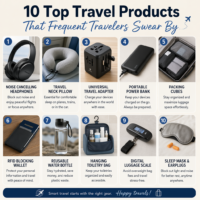
Pack a compact safety kit you can access on the move. Include a personal alarm, a door wedge, and a small flashlight with an emergency mode for quick visibility. Use anti-theft bags or bags with hidden compartments in crowded areas. Keep a spare door key separate from your main set and store recovery details in a secure location such as a password manager or encrypted note.
Electronics and power management
Plan power needs for travel days with a universal adapter, a compact power bank, and essential charging cables. In areas with uncertain networks, rely on offline maps and protect outlets with surge adapters. Use a dry bag or zip pouch to shield devices from rain or dust. Test chargers before departure and label cables to avoid mix ups.
Lightweight, functional packing list
- One versatile jacket with hidden pockets and a hood
- Quick-dry clothing that resists wrinkles
- Travel-sized first aid kit with basics and essential medications
- Small reusable water bottle and a collapsible tote
- Compact travel towel and quick-dry cloths
FAQ
These frequently asked questions cover practical gaps you might have when planning a safe solo trip overseas.
- How do I assess my personal risk tolerance for a destination? Do a quick risk scan: crime trends, health advisories, political climate, and language barriers. Then compare them to your travel style, such as solo dining or nightlife plans, and your readiness for delays or medical needs.
- What should I do if my passport is close to expiring? Check entry rules at least two months before booking. If renewal is required, apply early and request expedited service only if you face tight timelines.
- Is travel insurance worth it for a short trip? Yes. Look for a plan that covers emergency medical, evacuation, and trip interruption, even for 3-4 day getaways, to avoid large out-of-pocket costs.
- How can I stay safe while using local transport? Prioritize reputable services, verify fares with official apps, and share live edits of your route with a trusted contact. Carry a digital backup of tickets and IDs.
| Question | Key point | Practical tip |
|---|---|---|
| What if I miss a check-in? | Have a predefined escalation path | Agree on a daily check-in window with your emergency contact and set up an automatic alert if you miss it |
| How should I store documents abroad? | Use encrypted or secure digital backups | Keep copies offline on a separate device or encrypted cloud, plus a photocopy in a different bag |
| What packing item boosts safety the most? | Anti-theft features | Choose bags with lockable zippers, RFID-protected wallets, and hidden compartments; test zippers before leaving |
Conclusion
Safe solo travel hinges on preparation, vigilance, and practical gear. By defining your safety vision and planning with health and transport in mind, you build a solid foundation for stress free exploration.
trafels.com guides you toward concrete steps you can implement before you depart. Build a personalized risk map, tailor packing lists to destination risks, and set up trusted communication protocols that stay reliable even when networks are spotty.
- Review your safety priorities for each destination and adjust plans as needed.
- Keep a compact safety toolkit accessible to mitigate common travel glitches.
- Test your digital backups and offline resources to ensure access abroad.
Staying proactive matters. Revisit accommodations, transport options, and health coverage as you approach departure. Small checks now prevent bigger headaches later.
Practical steps you can take now
Map a one page safety plan for each trip. List emergency contacts, passport and visa details, insurance numbers, and a quick escalation path. Use a digital copy and a printed version tucked in your wallet or hostel locker.
Practice a five minute pre-departure routine: confirm lodging address, local emergency numbers, and a trusted contact. Run through a scavenger drill for lost documents so you know exactly what to do within minutes.
Real world considerations
Expect connectivity gaps in remote areas. Store key information offline and share it with a trusted travel partner. If you rely on ride apps, print a local alternative route and keep a list of reputable local taxis.
Heading to a destination with health risks, verify vaccination requirements and carry a concise medical run sheet in English and the local language. Trafels.com recommends testing your gear with a weekend micro trip to validate your plan.