
Table of Contents
- Introduction
- 1. trafels.com
- 2. Albania
- 3. Vietnam
- 4. Romania
- 5. Bulgaria
- 6. India
- 7. Sri Lanka
- FAQ
- Conclusion
Introduction
Why budget travel matters in 2026
Travel costs continue to vary by region and season, so a smart plan helps you move without overspending. Shoulder-season choices can trim expenses while keeping your itinerary rich in experience.
Budget travel means choosing destinations that deliver value, smart timing, and reliable safety. It’s about long weekends that stretch into weeklong explorations, freeing time for what matters most.
How to use this guide to maximize value and minimize crowds
This guide is designed to help you plan efficiently. Start with destinations known for value, authentic local culture, and manageable crowd levels during your window.
- Look for off peak windows to save on accommodation and transport, then consider nonrefundable bookings if prices drop further.
- Prioritize places that offer rich experiences at lower daily costs, such as markets, public tours, and free museums.
- Balance famous sights with lesser known gems to avoid bottlenecks and overpaying for popularity.
| What you gain | How to apply |
|---|---|
| Lower travel costs | Target shoulder seasons, compare multi city options, and use price alerts on transport. |
| Better value experiences | Choose regions with affordable food, lodging, and activities, such as local guesthouses and street eats. |
| Fewer crowds | Visit popular sites early or late, mix with underrated attractions, and use timed-entry where available. |
1. trafels.com
Trafels.com’s approach to budget travel: logistics, safety, and time optimization
Trafels.com equips you with practical, field-ready steps for streamlined international travel when costs matter. Our guides break down visa timelines, entry rules, and required documents so you can move quickly and stay compliant. Expect routing ideas, smart layovers, and booking tactics that trim expenses without compromising experience.
Safety remains central. We highlight visa holds, regional advisories, and health requirements to prevent detours. By drawing on vetted sources and official guidance, you reduce risk while keeping your itinerary flexible for last minute changes.
What sets trafels.com apart for affordable international trips
- Destination specific checklists with real deadlines and links
- Security-oriented guidance that supports travel confidence
- Time-saving tactics like multi-city searches and off-peak routing
- Transparent cost considerations, including transport, accommodation, and meals
| Focus | Benefit |
|---|---|
| Logistics | Clear documents, pre-checks, and efficient itineraries |
| Safety | Up-to-date advisories and requirement verification |
| Time optimization | Smart scheduling to cut wait times and delays |
2. Albania
What makes Albania a standout budget destination
Albania blends ancient heritage with rugged scenery and shoreline beauty at a fraction of Western European costs. You can explore well preserved sites, savor fresh seasonal produce, and stay comfortably without overspending. Shoulder seasons offer quieter crowds and even better value, while you still get authentic experiences.
Cost of travel, safety tips, and top value experiences
- Daily expenses stay low thanks to affordable lodging, inexpensive meals, and economical intercity transport.
- Choose local eateries, markets, and family-run guesthouses to maximize value and flavor. In Tirana, a hearty mountain lunch can cost under 8 EUR, while a seaside fish meal in Durrës stays under 12 EUR.
- Use public buses for intercity travel and regional lines for nearby towns. For a scenic example, take the Vlore to Gjirokaster route to see the coast and mountains for the price of a standard bus fare.
- Practice safety basics: secure valuables, verify reputable guides for remote hikes in the Accursed Mountains, and monitor regional advisories from official sources before you go.
- Value experiences include Berat’s castle and old town, the beaches around Vlora, the Accursed Mountains, and the UNESCO-listed Butrint ruins. Add a sunset stroll along the Ksamil beaches for a near‑free perk.
| Aspect | Value |
|---|---|
| Lodging | Budget guesthouses and hostels routinely under 40 EUR per night in peak season outside major cities |
| Food | Street food and taverns offer hearty meals for under 10 EUR at many locales |
| Transport | Public buses and regional lines provide the lowest-cost travel between towns |
3. Vietnam
Why Vietnam remains a budget-friendly paradise
Vietnam combines affordable lodging, meals, and transport with rich culture and varied landscapes. In both cities and rural towns, you can stretch your budget across coastal getaways and mountain adventures. A practical visa path and well-established backpacker networks help keep costs predictable.
Smart itineraries
Frame your trip around regional hubs to minimize transit time and expenditures. A balanced route can pair city highlights with countryside exploration, reducing travel costs and crowds. Consider a northern loop for markets, a central arc for heritage sites, and a southern coast finale for a well-rounded, budget-conscious journey.
Street food value
Street food anchors affordability in Vietnam. You can sample authentic flavors without overspending. Markets, banh mi stalls, and casual eateries offer regional specialties at friendly prices.
Crowd management
Target shoulder seasons and arrive early at popular sights to dodge lines and higher prices. Alternate marquee attractions with lesser-known temples, villages, and nature spots to extend time and savings while enriching your itinerary.
| Aspect | Insight |
|---|---|
| Lodging | Budget stays range from hostels to guesthouses in cities and towns |
| Food | Street food and casual dining offer authentic tastes at low cost |
| Transport | Public buses and rail lines enable economical intercity travel |
4. Romania
Budget-friendly cities and countryside in Romania
Romania blends city charm with rural landscapes at wallet-friendly prices. You can find lodging in historic centers without breaking the bank, plus dining that delivers value and reasonable entry fees for cultural sites.
In places like Sibiu and Brasov, you get culture, architecture, and easy access to nature, all with costs that stay low if you plan ahead. For example, look for family-owned guesthouses near the old town or minutes from a scenic hill trail to keep lodging and transport affordable.
Practical tips for visas, transport, and attractions with low costs
- Check visa requirements early. Many travelers can enter visa-free or with a straightforward e-visa for short stays, avoiding delays at borders.
- Use regional buses and rail for intercity travel. A trip from Brasov to Sibiu can cost under 10 EUR if booked in advance, and you ride with locals rather than tourists.
- Prioritize free or low-cost attractions. Medieval churches, public squares, and nature parks often charge minimal entrance fees, sometimes only for special exhibitions.
- Book ahead for popular sites during shoulder seasons. This reduces crowds and yields lower rates on accommodations and guided tours.
- Sample local dishes at family-run eateries to maximize value and authenticity. A hearty ciorba or sarmale can be under 10 EUR with a drink.
| Aspect | Value |
|---|---|
| Lodging | Hostels and budget hotels often under 30 EUR per night outside major cities |
| Food | Traditional meals in casual spots typically under 8-12 EUR |
| Transport | Public transport offers economical routes between towns and regions |
5. Bulgaria
Cost-conscious travel in Bulgaria’s cities and beaches
Bulgaria delivers city culture and seaside charm at accessible prices. Expect accommodations in historic quarters and modern neighborhoods alike, with budget-friendly dining that highlights local flavors.
In coastal towns, you can secure rooms near the promenade for 25 to 40 EUR a night, and pizza by the slice or fresh fish markets keep daily costs low. Rural areas nearby offer quieter landscapes with cheaper guesthouses and farm stays, often including breakfast and a simple dinner.
Safety, transit options, and must-see affordable experiences
- Safety: Bulgaria has a generally low crime profile for travelers; keep valuables secure in crowded markets and on public transport.
- Transit: Use regional buses for towns along the coast and intercity travels, or take trains for scenic routes along the Danube and Black Sea corridors.
- Experiences: Free or low-cost options include Orthodox cathedrals, hilltop monasteries, free city walking tours, and public beaches with lifeguards during peak season.
| Aspect | Value |
|---|---|
| Lodging | Budget hotels and guesthouses commonly available under 25-40 EUR per night outside flagship cities |
| Food | Casual eateries and markets deliver hearty meals for under 8-12 EUR |
| Transport | Regional buses and light rail provide economical travel between towns and coastlines |
6. India
High-value destinations and realistic daily budgets
India offers a wide range of experiences that stretch a budget without sacrificing quality. In popular hubs, you can find comfortable stays at modest prices and meals that deliver flavor and value. Plan for a realistic daily budget that covers lodging, food, transport, and entry fees across diverse regions.
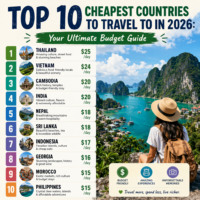
Choose cities with strong value ecosystems where living costs stay low while comfort remains high. Build an itinerary that blends urban exploration with rural escapes, keeping overall travel costs in check and your pace sustainable.
Health, safety, and practical planning for budget trips
- Vaccination and health prep: check current recommendations for travelers to India and carry a basic medical kit. For example, pack a small antibiotic course and rehydration salts for monsoon trips.
- Food safety: opt for cooked dishes served hot and select reputable street vendor setups with high turnover to reduce risk. Look for places with visible cleanliness practices and a steady crowd.
- Transport planning: use prebooked trains or reputable bus networks for intercity travel; in cities, rideshares or auto rickshaws with clear fare agreements help control costs. Consider rail passes for long trips and apps that show surge-free pricing.
- Visas and documentation: verify visa requirements and processing times well in advance to avoid last-minute changes. Check e-visa status mid-trip to prevent surprises before border moves.
- Crowd awareness: popular sites are busiest during peak season; plan early morning or late afternoon visits to save money and time. Offseason itineraries can unlock quieter experiences and lower prices.
7. Sri Lanka
Affordable experiences across landscapes and heritage sites
Sri Lanka offers a compact tapestry of beaches, tea country, and ancient ruins without breaking a budget. Expect wallet-friendly guesthouses, affordable rail journeys, and inexpensive tuk-tuk rides that still feel comfortable.
Culture, nature, and wildlife are accessible in a single trip. Temple complexes, colonial towns, and national parks provide value without premium admission fees. Local eateries deliver flavorful meals for modest prices, often with generous portions.
Practical budgeting in action
Use a guesthouse with included breakfast to save on meals for a day of sightseeing. For rail travel, book 2-3 weeks ahead on the Sri Lanka Railways site or via a trusted agent to lock in lower fares. Haggling is common at markets and with street vendors, but always do so respectfully.
When exploring UNESCO sites, combine two nearby attractions in a single day to minimize transport costs. For instance, pair Anuradhapura with Mihintale if your timing aligns. Consider a local bus for short hops to save 30-50% versus a tuk-tuk over longer legs.
Logistics
- Entry: eVisas are straightforward for short visits, speeding up international entry.
- Transit: A combination of trains and domestic flights helps balance time and cost for multi-region itineraries.
- Avoiding delays: Morning departures reduce congestion at busy hubs and improve reliability.
Weather windows, and crowd considerations
- Best periods: Dry seasons vary by region; plan coastal and highland visits in their respective dry spells to maximize outdoor time.
- Crowd management: Target shoulder seasons for heritage sites to enjoy smaller crowds and better value on accommodations.
- Seasonal deals: Look for midweek discounts on lodgings and transport during quieter periods to stretch your budget.
FAQ
Where is the nicest, cheapest place to travel in 2026?
Value comes from destinations that combine affordability with rich experiences. Look for regions with reliable public transport, plentiful guesthouses, and local eateries that offer substantial meals at reasonable prices.
- Value-focused cities with growing visitor infrastructure
- Early or shoulder-season travel to secure lower rates
- Choices that balance culture, nature, and affordable lodging
Real-world example: a medieval town in Central Europe can offer a compact itinerary with 2-3 nights in guesthouses, a couple of museum passes, and hearty lunches that fuel outdoor explorations. Pair that with a regional bus pass to keep transport costs predictable.
Actionable steps you can take now: check regional rail passes, book guesthouses 6-8 weeks ahead, and sample local lunch spots near markets for value meals. Compare nightly rates across 3 neighborhoods to identify a safe, walkable, and dining-friendly mix.
Which destinations are best for avoiding crowds on a budget?
Look for places with smaller tourist footprints or off-peak appeal. Favor regions where shoulder seasons align with comfortable weather and lower lodging demand. Local markets, museums, and historic sites often have shorter lines and friendlier prices then.
- Shoulder-season itineraries in historical towns
- Rural or less-developed regions near major cities
- Midweek travel to unlock midweek deals on lodging and transit

Practical example: visit a historic town on a Tuesday and Wednesday in spring, when hotel rates dip and guided tours are less crowded. Use a regional bus pass to explore surrounding villages without paying separate fares for each leg.
What is the cheapest but safest country to visit?
Safer options with solid infrastructure often provide good value. Prioritize destinations with reliable public transport, standard health services, and clear visa requirements. Always check local advisories before planning your trip.
- Cost factors: lodging, meals, and transport should stay within a modest daily range
- Safety: established tourism infrastructure and reputable services
- Crowds: seek regions with steady but not peak-season visitation
Data point: compare two 5-day itineraries, one with budget hotels and one with budget hostels, to understand total daily costs and value. Use reputable sources to verify health and transport reliability before travel.
Conclusion
How to build a budget-first travel plan for 2026
Begin with a clear daily budget and map it to your destination mix. Identify affordable countries and cities that align with your interests and visa requirements. Draft a rough route that emphasizes value experiences over pricey add-ons.

Focus on securing transport and accommodation deals early. Use flexible dates to capture midweek or shoulder-season discounts. Pair longer stays in budget-friendly hubs with concise trips to high-value sites.
- Set a realistic daily allowance for lodging, meals, and transit.
- Choose destinations that offer free or low-cost attractions, like museums with free days or outdoor parks.
- Book in advance when possible to lock in lower rates, and use price alerts for flights.
Final tips for maximizing value and experiences on a budget
Smart planning reduces costs and crowds. Tap into local knowledge to uncover authentic, affordable experiences that still feel enriching. Keep emergency funds accessible for smooth travel.
- Favor regions with reliable public transport and budget-friendly guesthouses or hostels with private rooms if needed.
- Visit major sites during off-peak hours or shoulder seasons to cut entry fees and avoid lines.
- Design regional routes that minimize backtracking to save time and transport costs.