



Introduction of Best Places to Visit Worldwide
Overview of the world’s must-visit destinations
From ancient wonders to modern skylines, the world offers a spectrum of experiences. Our guide highlights top destinations that resonate with travel enthusiasts, from iconic icons like the Pyramids of Giza and Angkor Wat to dream-worthy islands and natural wonders. We focus on places that deliver lasting memories and practical accessibility for 2026 and beyond.
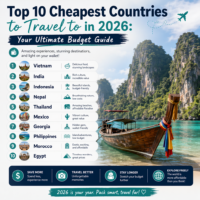
We group destinations by region, experience, and travel style so you can build a balanced itinerary. Whether you crave epic landmarks, remote escapes, or immersive cultural journeys, you’ll find options that fit your bucket list and your pace.
How this guide helps travelers maximize time and minimize crowds
Planning matters as much as the places you choose. This guide offers practical planning tips, seasonal insights, and efficient itineraries so you spend more time exploring and less time queuing.
Key benefits include:
- Seasonal windows to avoid crowds while still catching ideal conditions
- Strategic route ideas that minimize travel downtime
- Logistical notes on visas, safety, and entry requirements for smooth journeys
Real-world examples show how to apply these tips. For instance, visiting Kyoto in early spring for hanami avoids peak crowds yet captures vibrant cherry blossoms, while a two-week Balkan loop can halve internal flights by pairing land routes with rail passes.

Practical steps you can take now: map a two-city core, earmark two buffer days for weather shifts, and book timed entry slots where available. Use apps to monitor crowd levels and set alerts for price drops on flights and accommodations.
Note caveats and edge cases: shoulder-season weather can surprise you, popular sites may still require timed tickets, and visa rules can shift with regional events. Trafels.com provides region-specific checklists to help you stay current and flexible.
1. Rome, Italy
Iconic landmarks and top experiences
Rome fuses ancient grandeur with lively street life. Beyond the classics, explore quieter corners like hidden basilicas and rooftop viewpoints that reveal new angles on the city. You’ll find a seamless blend of ruins and modern dining that reflects Italian culture in everyday moments.
neighborhoods such as Trastevere for authentic atmosphere and sunset views from Janiculum Hill. Local markets and seasonal events offer a richer sense of Rome’s rhythm.
Practical tips for avoiding lines and planning a efficient itinerary
Stagger site visits by choosing early mornings or late afternoons to ease queues. Group nearby sites to save transit time and maximize sightseeing per day.

Guidance to stay efficient:
- Prioritize attractions with timed entries to manage crowds and structure your day around 90 minute blocks.
- Pair landmark days with transit passes to move quickly between neighborhoods and cut costs.
- Book Vatican City entries online and consider an early-access tour to minimize wait times.
2. Tokyo, Japan
Must-see neighborhoods and experiences
Tokyo blends ultramodern energy with timeless traditions. Explore Shibuya and Shinjuku for the city’s pulse, from neon crossings to skyline views. For calmer moments, Yanaka offers a preserved old Tokyo vibe. In Asakusa, Senso-ji temple anchors a lively street market scene. Start mornings at Tsukiji markets and seek chic eats along the canal in Nakameguro.
Beyond these, Harajuku delivers youth culture, Odaiba showcases futuristic architecture and waterfront scenery, and Akihabara dives into tech and anime. For nature and views, wander the Meiji Shrine forest, Shinjuku Gyoen, and the Tokyo Skytree district for sweeping city panoramas. Each neighborhood has its own rhythm, from quiet temples to bustling shopping avenues.
Best times to visit and crowd-aware scheduling
Spring and autumn offer mild weather and manageable crowds. Central districts tend to be busiest on weekends, so plan temple visits for early mornings and book dining slots ahead of time.
| Season | Pros | Cons |
|---|---|---|
| Spring | Cherry blossoms, pleasant temps | Crowds can surge during peak bloom |
| Autumn | Clear skies, colorful foliage | Urban hot spots may feel crowded on weekends |
| Winter | Fewer tourists, crisp air | Shorter days, some venues may shorten hours |
- Prioritize timed entries for popular museums and temples to minimize queues.
- Use transit passes and route-planning apps to reduce transfers.
- Balance energetic districts with quieter temples or parks to avoid fatigue.
3. Paris, France
Classic sights vs. hidden gems
Paris pairs its renowned icons with intimate corners that escape the crowds. The skyline may feature the Eiffel Tower and the Louvre, yet deeper experiences lie in quiet streets, tucked-away museums, and neighborhoods that reveal daily Parisian life. You’ll find markets, art-filled cafés, and historic doors that slow the pace amid the bustle.

To balance the well known with the lesser seen, mix masterpieces with intimate spaces such as lesser-known churches, small galleries, and peaceful courtyards. Seasonal light shifts can transform classic viewpoints, offering fresh angles on familiar scenes.
Strategic day plans to maximize sightseeing with fewer crowds
Group nearby sites into compact blocks to cut transit time and queues. Start early at flagship corners, then pivot to offbeat spots in the afternoon when crowds thin. Map a half-day route that pairs a top-tier museum with a nearby garden or square for quick resets.
| Time of Day | Recommended Focus | Crowd Level |
|---|---|---|
| Morning | Important landmarks with timed entries | Lower |
| Midday | Stroll along canal paths or quiet museums | Moderate |
| Afternoon to Evening | Hidden gems and rooftop views | Lower to moderate |
- Combine visits to major museums with nearby parks or squares to create a balanced rhythm and reduce fatigue.
- Reserve timed-entry slots for key sites when possible to streamline entry and secure slots during peak seasons.
- Explore residential quarters on foot to encounter real-world Parisian life; consider stopping at a bakery to sample daily rituals in a working neighborhood.
4. Dubai, United Arab Emirates
Signature attractions and modern experiences
Dubai blends futuristic architecture with immersive experiences. Beyond the skyline, consider desert safaris, waterfront promenades, and immersive entertainment hubs that showcase innovative design and hospitality.
For a balanced itinerary, mix architectural landmarks with cultural experiences such as traditional souks, museums, and relaxed neighborhood strolls. Evening light shows and rooftop vantage points offer striking city views, while family friendly options provide downtime between sights. Practical tip: book timed entry for popular towers to avoid lines and consider a midweek visit for calmer experiences.
Logistics, safety considerations, and best visit windows
Plan around milder temperatures in winter and heat mitigation in summer. The metro and rideshare options connect major districts efficiently. Bring sun protection, stay hydrated, and opt for indoor venues during peak sun hours.
- Carry valid travel documents and respect local customs in public spaces.
- Check event schedules for large crowds at popular venues and plan around peak times.
- Allocate time for indoor venues during hotter parts of the day to stay comfortable.
| Season | Best Activities | Notes |
|---|---|---|
| Winter (Nov-Feb) | Outdoor city tours, desert safaris, waterfront dining | Pleasant temperatures, higher visitor numbers |
| Spring | Architectural tours, museums, shopping districts | Comfortable with moderate crowds |
| Summer | Indoor attractions, luxury retail experiences | Hot and humid; prioritize air conditioned spaces |
5. Machu Picchu, Peru
Permits, routes, and optimal visiting seasons
Machu Picchu sits high in the Andes and requires advance planning for permits and access. Permits are limited for the site and the popular Huayna Picchu and Machu Picchu Mountain trails, so book early through official channels. There are two primary routes to the citadel: a guided ascent from Aguas Calientes or a day hike that combines a train ride with a short, scenic approach. Consider arriving via the Inca Rail or PeruRail options, which influence your schedule and time on site.

Optimal visiting seasons favor dry periods, typically the shoulder seasons outside peak holidays. Plan for morning entry when air is cooler and visibility is clearest, and note that afternoon passes may see higher crowds as day-trippers arrive from the town.
Crowd management and sunrise strategies
To minimize crowd friction, split your day into the citadel visit plus a canyon-side viewpoint or nearby ruins. Prebook timed-entry slots and use off-peak hours to access popular photo points before travel groups converge.
- Stick to early morning windows for the main terraces and key lookouts.
- Balance time between the citadel and surrounding Inca sites to reduce lines.
- Bring a light jacket for high-altitude mornings and hydration essentials for the hike.
6. Banff National Park, Canada
Iconic landscapes and quintessential activities
Banff National Park remains a keystone of Canadian travel, drawing visitors with turquoise waters, jagged peaks, and alpine meadows. You feel the sense of grandeur and quiet when you stand at the edge of a crystal lake.
Beyond the scenery, you can paddle crystal bays, explore forested trails, and observe wildlife in their natural habitats. Banff town offers dining, galleries, and straightforward park access, making planning straightforward for first-time visitors.
- Emerald Lake and Moraine Lake glow at sunrise, with mist lifting off glassy surfaces for memorable photos.
- Sulphur Mountain and Johnston Canyon provide approachable viewpoints and dramatic canyon walls, ideal for half-day outings.
- Lake Louise offers a renowned shoreline and lakeside paths that reward steady walkers with sweeping valley views.
Seasonal access tips and crowd-minimizing approaches
Seasonal shifts shape crowds and conditions. Early summer and shoulder seasons tend to be calmer while still offering reliable weather for outdoor pursuits.
- Start at sunrise at popular spots to savor solitude and better light for photography.
- Explore lesser-tracked hikes like Wilcox Pass or Sentinel Pass when main routes are crowded, using a map to stay on time.
- Book parking passes and shuttle seats ahead of peak dates to reduce wait times and stress.
| Season | Crowd Level | Best Activities |
|---|---|---|
| Late spring | Moderate | Lakeside strolls, wildlife viewing, short cascades |
| Summer | High | Hiking, boat rentals, scenic drives |
| Autumn | Low to moderate | Fall colors, photography, quieter trails |
7. Cape Town, South Africa
Top landscapes, coastlines, and cultural highlights
Cape Town pairs dramatic natural scenery with a vibrant cultural scene. Nestled beneath Table Mountain, the city offers sweeping coastline and easy access to the Cape Peninsula’s beaches and rugged hides. You’ll find historic districts, contemporary art spaces, and a culinary scene that reflects the region’s diverse influences.

Key highlights include the iconic Table Mountain backdrop, the Cape of Good Hope coastline, and the Bo-Kaap’s colorful lanes. Combine waterfront dining, bustling markets, and nearby wine routes for a well rounded itinerary.
- Table Mountain National Park for panoramic views
- Robben Island historic tour for a time-anchored lesson in history
- V&A Waterfront for dining and waterfront strolls
Safety, travel logistics, and best timing to visit
Plan with practical safeguards in mind. Keep valuables secure in busy areas and use reputable transport options in hilly neighborhoods. Local guidance helps navigate seasonal wind patterns and traffic flows.
- Optimal travel window aligns with mild shoulder seasons
- Access to the Cape Peninsula and Winelands is easiest with guided day trips
- Flight connections from major hubs simplify long itineraries
Practical tips to elevate your visit
Pack a light daypack for hikes and a windproof layer for Table Mountain. Reserve Robben Island tours in advance and check ferry schedules for calm mornings.
- Book wine tastings during off-peak hours to avoid crowds
- Wear sturdy footwear for cobblestoned Bo-Kaap streets
- Plan sunrise or sunset visits to capture optimal light for photography
FAQ
How to prioritize destinations when planning a world tour
Begin with your travel style and interests, then map must-see icons and regions against travel time and budget. Choose destinations that support your core experiences, whether culture, nature, or cuisine.
- Identify non negotiables such as world wonders or bucket list islands.
- Cluster nearby destinations to optimize routing and minimize backtracking.
- Assess visa requirements and peak-season crowds to time visits.
What time of year offers the best overall travel experience
Timing depends on the destination and your priorities. Shoulder seasons typically offer milder weather, fewer crowds, and better value. For iconic sites, aim for sunrise or late afternoon slots to improve mood and cut queues.
- Plan for regional seasonal patterns to avoid extreme conditions.
- Balance long-haul legs with shorter breaks to prevent fatigue.
- Build flexibility into your plan to account for weather disruptions or local events.
How Trafels.com helps with logistics, safety, and crowds
Travel platforms can streamline bookings, provide real-time updates, and offer curated itineraries. Use tools that help you avoid peak times, assess safe routes, and verify local conditions.
- Real-time capacity updates for popular attractions.
- Safety advisories and neighborhood-level guidance.
- Smart scheduling to spread visits across less crowded windows.
Conclusion
Recap of how to choose destinations aligned with your goals
Start with your travel style. If cultural immersion drives you, opt for neighborhoods, markets, and museums that pulse with daily life. For nature focused trips, target regions with protected parks, hiking trails, and seasonal wildlife viewing.
Build a practical route by clustering nearby countries or regions. A Southeast Asia loop that includes nearby countries can minimize flights and border checks, helping momentum stay intact.
- Identify your primary drivers: culture, nature, cuisine, or adventure.
- Group nearby destinations to reduce travel overhead.
- Flag non negotiables early to anchor your itinerary.
Final tips for an efficient, immersive global itinerary
Think in two tiers: a core route you want to hit and optional add-ons if time allows. Schedule key sights at sunrise or late afternoon to beat crowds and reserve energy for evenings.
- Use shoulder seasons when possible to improve access and value.
- Mix high profile stops with lesser known gems to sustain interest.
- Check safety, visa, and entry requirements before each leg to stay prepared.