
- Key Takeaways
- Redefining Your Travel List
- Journeys Through Ancient Worlds
- Encounters with Wild Nature
- The Pulse of Modern Cities
- Crafting Your Personal Itinerary
- Essential Travel Wisdom
- Conclusion
- Frequently Asked Questions
- What are the top places to visit for first-time travelers?
- How can I find ancient sites to explore?
- What destinations are best for experiencing wild nature?
- Which modern cities are known for vibrant culture and innovation?
- How do I create a personal travel itinerary?
- What are some essential travel tips for safe and smooth trips?
- How can I ensure my travel choices are culturally respectful?
Key Takeaways
- Explore a variety of destinations by considering cultural, natural, urban, and historical attractions to enrich your travel experience.
- Immerse yourself in the culture with activities like local festivals and workshops to get to know each destination.
- Be a sustainable traveler. Elect green hotels and conservation activities wherever possible.
- Tailor your trip to your personal tastes, whether it’s a solo adventure, a romantic getaway, or a family vacation, mixing activity with relaxation.
- Get ready for your trip by studying local customs, packing for the weather and activities, and keeping important documents organized.
- Be a good tourist: Respect local cultures, support local businesses, and tread lightly on the environment to foster positive experiences for all.
A place to visit is anywhere that’s interesting to go for the sights, culture, or history. We choose destinations for any number of reasons, such as iconic sights, beautiful scenery, or regional cuisine. Most either pick places that they themselves would like or that provide something novel to experience. Some visit metropolises for their art and shows, while others love quiet parks or beaches. Places with deep narratives or something remarkable happening draw people from the globe. Convenience and good accommodations count. To assist in choosing the perfect destination, it’s useful to understand what each location has to offer. The next two sections parse out favorites and why.
Redefining Your Travel List

A quality travel list unites disparate locations that satisfy multiple passions. Some travelers crave quiet beaches, some the mountain air, others the city lights or wild nature. Choosing the perfect destination involves considering everything each location has to offer from cuisine to celebrations to the optimal season for visiting. This is just a quick guide on how to plan well, avoid crowds and enjoy great weather. A good checklist keeps the trip grounded and ensures nothing falls through the cracks.
1. Cultural Immersion
Experience each location as a local, getting caught in the flow of daily life. Go for a cookery course to get your hands dirty with local specialties, or discover a music session to hear and participate. Museums and galleries display an area’s art and history, providing deeper context and meaning to a trip. Plan your trip for a festival, such as Holi in India or the Lantern Festival in Taiwan. These are the events that reveal authentic local life and invigorate any trip.
2. Natural Wonders
Experience nature at its best by visiting iconic locations such as the Grand Canyon or the waterfalls in Plitvice Lakes National Park. The Everglades and other national parks exposed me to plant and animal ecosystems. Hiking provides an intimate sense of the lay of the land, from woodland routes to alpine trails. I suppose a lot of travelers bring cameras to freeze in time that early morning light or sunset glimmer.
3. Urban Exploration
City trips combine famous tourist attractions with secret local hangouts. Iconic landmarks like the Eiffel Tower or Burj Khalifa weave into a city’s narrative. Strolling through bustling neighborhoods results in street art, local shops, and markets. Visit an unfamiliar coffee shop or stop and appreciate a few murals. Public transit, such as subways or trams, links these and allows visitors to experience more and encounter locals.
4. Adventure Quests
Outdoor addicts can trek, zip-line, or kayak. Few destinations shine for grand escapades, like a hot air balloon ride in Cappadocia or a helicopter tour over Miami. National park camping provides a break from crowds and an intimate encounter with wild spaces. Every adventure adds fresh tales and fulfillment.
5. Ultimate Relaxation
Maldives or Seychelles type beaches provide you with your room to relax and take a dip. Spas and wellness centers allow your mind and body to decelerate. Several love a nice long stroll along a tranquil bay or through a garden. Waterfront local joints serve fresh food with a view that is special.
Journeys Through Ancient Worlds


Odysseys of ancient worlds These ancient trails link visitors to the narratives, faiths, and innovations of civilizations past, carried through ruins, temples, and traditions.
Timeless Ruins
Wandering through Machu Picchu or the Pyramids of Giza, you can literally feel the scale and ambition of ancient builders. The Great Pyramid of Khufu is the final original Wonder left standing, attracting visitors from all over the world. Stonehenge in England, employed for ceremonies or astronomy, is best viewed between June and August when daylight is long. In Mexico, Chichén Itzá’s ceremonial pyramids and palaces, which date to the 4th century CE, reveal the sprawl of Mayan ingenuity.
Less famous destinations provide new perspective. The early Christian monastery on Skellig Michael in Ireland and Hindu, Buddhist, and Jain temples coexisting in the Ellora Caves in India offer a multi-layered story of spirituality and congregation. Pompeii in Italy, frozen in ash since the 1st century CE, provides a very human peek at daily Roman life.
Local guides and experts breathe life into these locations, imparting facts and lore that enrich your experience. Others become preservation project participants, aiding endeavors that help shield these gems from the sands of time.
Living History

Living history museums and reenactments really bring the past to life. Costumed interpreters tell tales and tinker away at daily tasks, allowing visitors to time travel. Pottery, weaving, or metalwork workshops instruct you in skills that defined ancient civilizations.
Others provide live-action narratives or interactive crafts, mixing history with experience. These moments can make the accomplishments and hardships of ancient peoples come to life.
Sacred Sites
Temples, churches and shrines are reminders of spirituality. Angkor Wat, Cambodia. The grand temple of Angkor Wat is best visited early or late in the day. You’ll want at least three days to absorb the history and architecture spread across the complex. Prambanan in Indonesia is where Hindu and Buddhist culture merged.
They encounter rituals or ceremonies, experiencing firsthand the beliefs and customs. Respect and silence are requested for a number of these locations, as they continue to be places of worship.
Encounters with Wild Nature


Nature provides all sorts of opportunities for wild communion. Grandiose scenery, elusive animals, and sustainable refuges beckon travelers to experience life outside the urban jungle and daily grind. They provide memory-making moments while igniting reverence for nature.
Majestic Landscapes
There’s something humbling about hiking through mountain trails or walking the green valleys to see nature up close and personal. Numerous national parks, such as Banff in Canada or Torres del Paine in Chile, are renowned for their expansive panoramas and diverse flora and fauna. Other paths traverse rivers, jungles, or rocky precipices. Each season transforms the appearance of these locales. On our peaceful pilgrimage, we found snow-capped peaks in winter and wildflowers in full bloom across fields in spring.
Soaring cliff-top drives along wild coastlines, like Australia’s Great Ocean Road, expose you to the raw force of waves and the contours of the earth. In autumn, forests in regions such as Japan’s Nikko National Park blaze red and gold. These moments are peaceful and inspiring.
Unique Wildlife
Catching sight of elusive wildlife in its native habitat is the wonder of travel. Observing turtles come ashore at night on African beaches, such as those in Sao Tome and Principe, is a serene occurrence. The great wildebeest migration in Tanzania and Kenya, when herds cross rivers to feed, is a sight few ever forget.
In Uganda’s Bwindi Forest and Rwanda’s Virunga Mountains, the opportunity to glimpse one of the 1,000 mountain gorillas left in the world brings travelers from across the globe. Encounters with wild nature in Denali National Park in Alaska offer visitors the opportunity to spot bears, wolves, and caribou on the tundra. South Luangwa in Zambia, the “Valley of the Leopard,” remains one of the best places to see these cats. In Africa, witnessing zebra migrations or a pride of lions collaborating in the Masai Mara reveals the purest rhythms of life in the wild.
Sustainable Sanctuaries
By staying at eco-lodges, you’re helping the land and the creatures who inhabit it. Numerous destinations allow guests to participate in indigenous conservation efforts, such as reforestation or animal tracking. Knowledge of what requires habitat conservation develops sensitivity and appreciation. Selecting excursions that consume lower fuel or restrict group sizes is beneficial. These simple measures ensure that hikers experience the outdoors and maintain a limited footprint.
The Pulse of Modern Cities

Modern cities are extraordinary environments where culture, innovation, and history intersect. You witness the vitality in their crowded avenues, parks, and meeting places. Just as New York, Tokyo, and London illustrate, the pulse of a modern city is in its food, its art, its design, and its everyday life that create its identity.
Culinary Capitals

Singapore, Mexico City and Istanbul are food capitals where local dishes reflect the culture’s history and contemporaneity. They are the pulse of modern cities, with street food markets like Bangkok or Marrakesh bursting with flavors grown from years of trade and migration. There’s nothing like the convenience of sampling a city’s spirit in one bite.
A lot of cities have food tours or cooking classes, allowing visitors to understand how to incorporate local spices and traditional techniques. In Hanoi, a cooking class could get you acquainted with fresh herbs and fast woks. In Bologna, pasta-making workshops instruct in the virtue of slow, considerate handcraft.
Diners can sample renowned restaurants with international reputations or tiny cafes hidden in alleys. In Tokyo, sushi is prepared at 2 AM at high-end counters and minuscule neighborhood boutiques, each one different. Dining with locals, whether a home dinner in Barcelona or at a communal table in Cape Town, offers an intimate glimpse into food culture and family life.
Artistic Hubs
Berlin, Melbourne, and Cape Town all have vibrant art scenes that reflect the creative rhythm of city life. Galleries showcase contemporary pieces, and murals and graffiti transform blocks into outdoor galleries. In São Paulo, gigantic murals adorn entire buildings, injecting vibrance and thoughts into the everyday.
Museums such as the Louvre in Paris or MoMA in New York preserve timeless and emerging art. These spaces provoke reflection and inspire fresh thinking. Urban festivals, like Edinburgh’s theater or Montreal’s jazz, infuse city nights with music and movement.
Encountering local artists at a gallery talk or pop-up studio offers a window into the city’s creative pulse. Their narratives underscore why art flourishes in the urban hustle and bustle.
Architectural Marvels
They have this thing about mixing old and new with panache in modern cities. Tokyo’s skyline, molded by smooth towers, abuts temples with centuries-old woodwork. In Singapore, glass towers greet colonial shophouses. Berlin’s mix of pre-war and contemporary architecture reveals a metropolis reconstructing itself.
Guided tours provide a glimpse into how the Grand Hall in Kansas City or the Power & Light District were born. These sites mix engineering wizardry with cultural significance. In Amsterdam and Vancouver, bike lanes spiral around old-world houses and contemporary high-rises, demonstrating how architecture can accommodate both aesthetics and lifestyle.
They tend to shoot details—arched doorways, patterned tiles, or sweeping bridges—discovering narratives in stone, steel, and glass.
Crafting Your Personal Itinerary
A personal itinerary makes for richer travel. Rather than reading stale, generic travel guides, seek out personal experiences, blogs, and first-hand accounts. These provide a more authentic sense of a location. Being aware of your preferences, be it art, cuisine, nature, or historical landmarks, allows you to customize your travels. Plan your custom itinerary. In the weeks before your trip, check out local tourism sites, museum guides, and city tour websites. Query friends or family who have been recently for non-guidebook tips. Pore over maps and street view your route to experience the distances so you’re not caught off guard.
- Decide on your main travel goal (relaxation, adventure, culture).
- Must-see sights and experiences that align with your interests.
- Save time by clustering activities by neighborhood. Use Google Maps to craft your personal itinerary.
- Construct a rough daily itinerary, noting important opening hours or reservations.
- Leave chunk free for relaxation or unexpected discoveries.
- Save your plans in a travel app or a single file for quick access.
- Modify your plans on the fly according to local tips.
Solo Travel
Going solo travel grants you the absolute freedom to select what you desire to do, when you want to do it. No sacrifice, go as fast or slow as you’d like. You can take group tours for a day or hostel sojourns to mingle with other road warriors if you crave some camaraderie. Solo traveler-centric social media groups and apps are great spots to seek advice or even new travel buddies.
Safety is always key, so look up each area, see what hostels or hotels get good reviews, and jot down local emergency info. With apps, share your location with a trusted contact. Journal it or snap photos. These memories will be gold down the road!
Family Adventures
Once you’re traveling as a family, select activities appropriate for all ages. Parks, science centers, and outdoor museums tend to work well. Source accommodations with kid stuff: pools, playrooms, family suites.
Connect learning to the trip with stops at historical sites or hands-on exhibits. This makes the trip more significant to kids. Shared experiences, be it a picnic or group hike, allow the family to bond and craft memories.
Couple Retreats
Romantic trips are best when you select a destination that is either romantic in nature or very scenic. Seek out alternatives such as peaceful beach towns, mountain cabins, or picturesque cities. Schedule some magic, like a sunset dinner, couples spa escape, or hike. Select a hotel or guesthouse with perks that enhance the mood, such as a balcony overlooking the ocean or a private hot tub. Immerse yourself in the local culture by visiting museums or taking a walking tour together. These communal experiences create a stronger bond.
Essential Travel Wisdom

Travel opens doors and connections. Travel wisdom: smart planning, cultural awareness and responsible habits make all the difference on any trip. The tips below address actionable guidance and perspective for a more seamless, soulful journey.
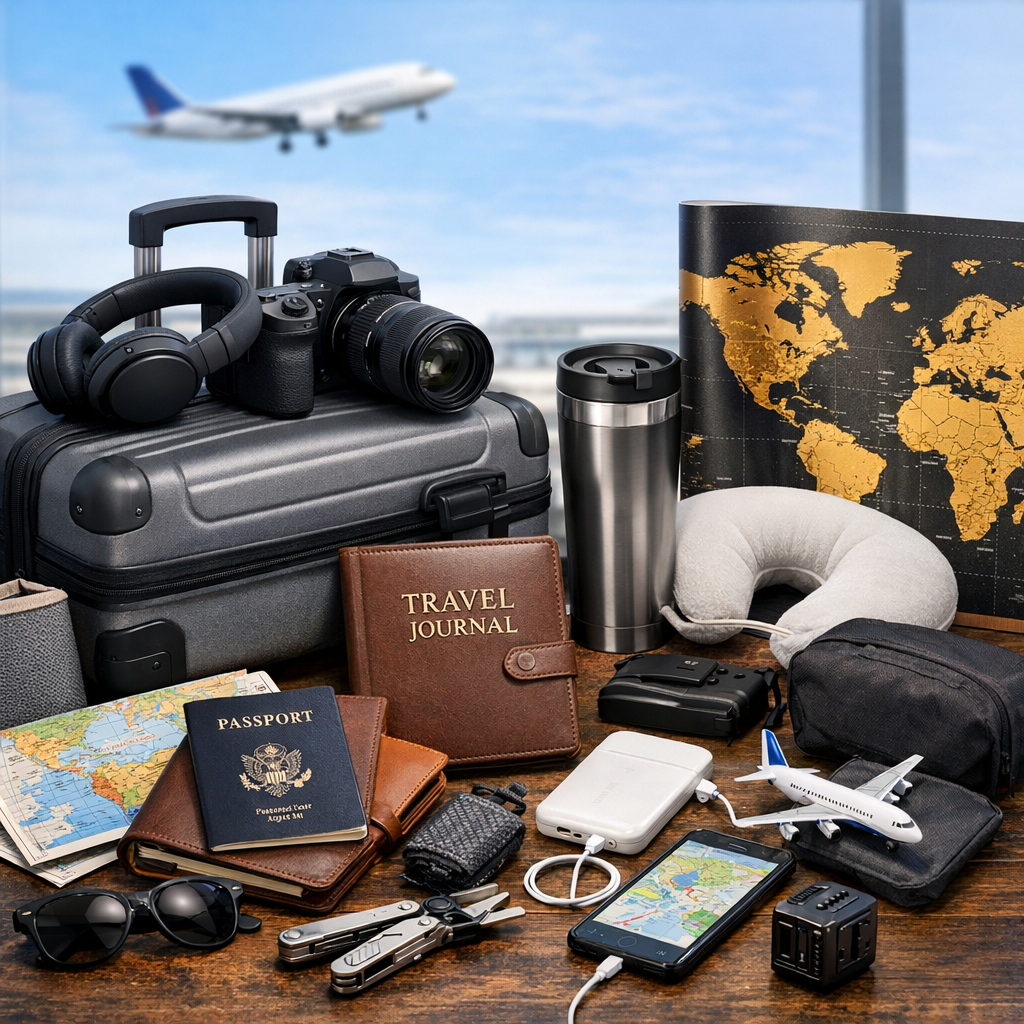
| Packing List | Local Customs |
|---|---|
| Light, climate-appropriate clothes | Learn basic greetings in the local language |
| Comfortable walking shoes | Respect local dress codes |
| Power adapters (check plug types) | Ask before taking photos of people or places |
| Copies of important documents | Greet with a handshake, bow, or other custom |
| Toiletries and personal items | Use polite titles and phrases |
| Reusable water bottle | Observe meal times and table manners |
| Medications and first aid kit | Remove shoes when entering homes if required |
| Lightweight rain jacket | Avoid public displays of affection where taboo |
Smart Planning
Nothing like a detailed itinerary to extract more from any journey. Add in top sights, overnights, and transportation. For family travelers, discuss plans and ideas together before you leave, so each person’s interests are represented. That is just about the only way to prevent mix-ups and maintain transparent expectations.
Budgeting is more than tallying flights and hotel rooms. Consider food, admission, mementos, even nibbles or public transit. Booking early usually translates to better prices and more options, particularly for highly sought-after destinations or peak periods. Store digital and physical copies of bookings and important documents for easy access, particularly in locations with limited connectivity.
Local Etiquette
Nothing impresses locals more than an easy hello in their own tongue. It’s respectful and frequently yields a more hospitable reaction.
- Be sure to verify dress regulations, particularly at temples.
- Observe your surroundings and have the same respect in terms of space that others share.
- Be courteous and avoid rude gestures.
- Take your turn and don’t shout in public.
Extend kindness and patience to those whom you encounter. Locals do things their own way. Being open and calm makes for better memories.
Responsible Tourism
Sustainable decisions preserve destinations for generations to come. Pick hotels that conserve power or reuse, and opt for public buses or trains if you can.
Responsible Tourism Checklist:
- Carry reusable bags and bottles; avoid single-use plastics.
- Respect animals both from a distance and by not providing food.
- Buy from local markets or artisans, not large chains.
- Find out about local issues and contribute to causes that help if you can.
Giving back to the community and looking after the planet enriches trips. All of it counts from your packing to your approach to new acquaintances.
Conclusion
Travel provides us with a new perspective on the world. Ancient ruins, wild parks and lively cities all possess their own magic. Every journey leaves fresh tales and uncomplicated pleasures, like sampling roadside snacks or overhearing fresh beats in a crowded plaza. Deciding where to visit next can seem daunting. Little steps make it easier. Do some reading, ask some friends or just give a place nearby a shot. Keep your mind open and don’t let any one location put on its best face. Discuss your favorite destinations or advice with the rest of AIG! Real stories create a more intelligent, more compassionate travel community. Keep your list fresh and find out what works best for you. Prepared to punch a hole in your map? Add your own picks or thoughts below.
Frequently Asked Questions
What are the top places to visit for first-time travelers?
Favorite picks are Paris, Rome, Tokyo and Cape Town. These cities feature awesome history, distinct culture, and contemporary sights. They’re incredibly accessible and friendly to foreign visitors.
How can I find ancient sites to explore?
Look up the UNESCO World Heritage Sites and historic landmarks for your destination. Museums, local guides, and travel websites offer great tips about ancient worlds you can experience.
What destinations are best for experiencing wild nature?
National parks and rain or mountain reserves are perfect. For instance, Serengeti National Park in Tanzania, Banff National Park in Canada, and the Amazon Rainforest in South America.
Which modern cities are known for vibrant culture and innovation?
Singapore, Seoul, London and Dubai are known for their contemporary architecture, multicultural cuisine and vibrant cultural scenes. There is something for every traveler at each.
How do I create a personal travel itinerary?
Begin with your interests and places you must see. Leverage online resources and travel apps to plan routes, book accommodations, and schedule activities. Be flexible!
What are some essential travel tips for safe and smooth trips?
Know your destination, get travel insurance, and keep important documents handy. Learn a few basic local phrases and keep safety tips in mind. The more you know, the more confident and safe you’ll feel.
How can I ensure my travel choices are culturally respectful?
Find out what the local customs are and local etiquette before you go. Wear a suit, don’t take pictures unless they invite you to, and buy some local schatzel4u. Consideration makes the journey.