
- Key Takeaways
- Redefining Your Perfect Trip
- The Best Places to Travel
- Travel Deeper, Not Wider
- Navigating Your Journey
- The Digital Nomad Shift
- Your Next Chapter Awaits
- Conclusion
- Frequently Asked Questions
- What are the best places to travel for first-time international travelers?
- How can I choose a travel destination that matches my interests?
- How can I travel more sustainably?
- What are the benefits of slow travel?
- How do I stay safe when traveling abroad?
- What is a digital nomad and how can I become one?
- How can I make the most of my travel experiences?
Key Takeaways
- Start by identifying your dream trip, something that is defined by your special interests, travel ambitions, and off-the-beaten-track experiences.
- Look for authentic experiences, connect with local communities, visit off the beaten path destinations, and immerse yourself in the culture.
- Select from a variety of travel styles and destinations to suit your taste, whether it’s adventure, relaxation, or cultural immersion.
- Make sustainable tourism a priority by backing local businesses, selecting eco-friendly alternatives, and educating yourself on the ecological consequences of your journey.
- Travel smart by budgeting, booking travel and accommodations, packing, researching local customs and traditions, and more.
- Be flexible, particularly if you’re working remotely, and let your travel experiences guide you toward new adventures and connections.
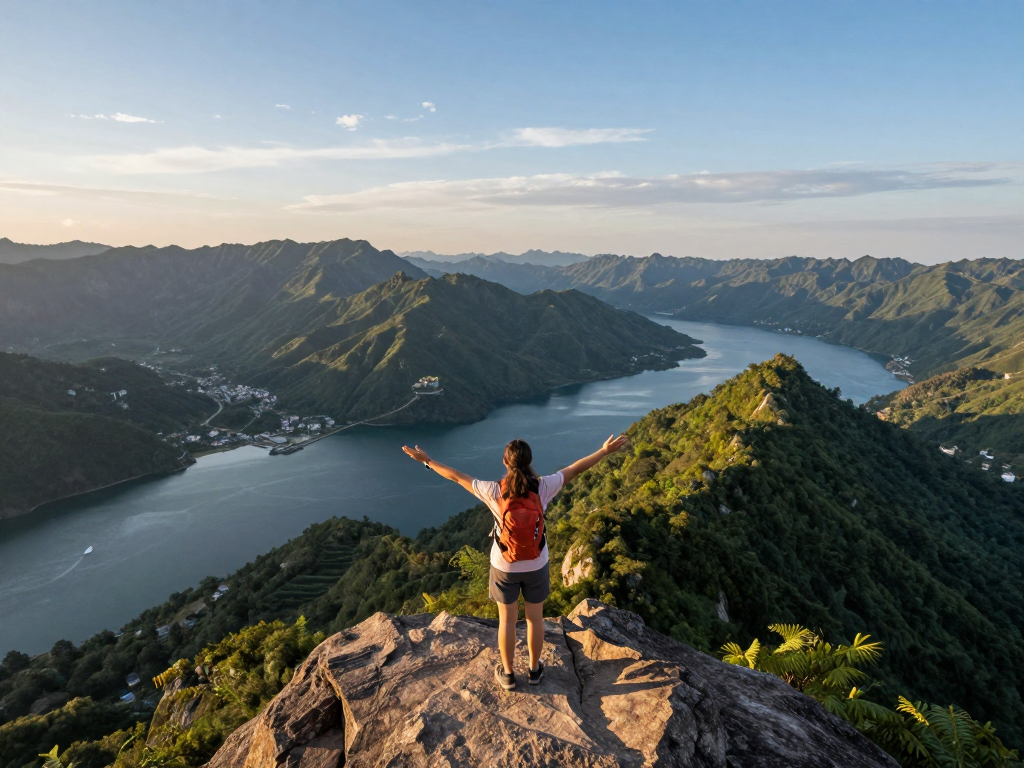
Best places to travel, to me, still means a mix of great sights, best value, and easy access. Our best places to travel picks span from ancient cities and beautiful national parks to vibrant beach towns. I’m sure lots of travelers pick easy-to-access locations with safe streets and a variety of activities, from museums and markets to walking trails and beaches. Some make a name for themselves for local eats, and others draw visitors for art, music, or outdoor adventure. Choosing where to go is not just about timing and budget, but what type of trip suits you best. To assist, the meat of the post will break down top locales, essential advice, and what attracts visitors globally.
Redefining Your Perfect Trip

Travel means something different to each of us. Some seek to see world icons, others pursue still moments or are hungry for new cuisine. The ideal destinations are not merely locations, but an expression of what you seek to discover, experience, or recall. When you really know your own goals, you can choose places that suit your pace, style, and dreams.
Beyond Postcards
It’s about getting off the beaten path and experiencing life as locals live it. Stop by a morning market or try a workshop or local event. Little gestures, whether it’s mastering one phrase in the local tongue or breaking bread, form deeper connections than capturing the perfect shot. Look for destinations that don’t appear in most guides, such as a grandmother’s café or a tranquil park away from the downtown core. These gems allow you to experience a destination as it actually is, not just how it looks on a postcard. Photos matter more when they depict a narrative—children frolicking in a plaza, an artisan polishing joinery, or a twilight boulevard.
Your Travel Style
Begin by querying what sounds right to you — hiking, museums, bustling cities, lazy small town mornings. An outdoors enthusiast might select a hiking trek in the Alps, whereas another might elect to sample food stalls in Bangkok. Select spots and schedule days that fit your vibe and speed. Be open to activities, such as a guided bike tour or cooking class, even if they’re not your usual fare. Eventually, you might discover you like a combination — one trip for art and the next for nature. By sharing your style, you help others make smarter choices for their trips.
Sustainable Journeys
Green travel is about little decisions. Walk or take public transport, choose hotels that care about waste, and ditch the single-use plastics. When you purchase crafts or meals at neighborhood restaurants, your cash goes to families — not corporate chains. Some countries, like Costa Rica or New Zealand, emphasize green tourism, so it’s easier to get around with a conscience. Study up a little beforehand on what supports or damages the local community. In doing so, your trip makes a smaller impact and contributes more to the destination and its inhabitants.
The Best Places to Travel


Top travel destinations combine culture, nature, city, tranquility, and adventure. Every location adds its own culture, tradition, and vibe, allowing visitors to discover their own groove. Here are our top picks around the globe, along with some practical advice and special reasons to go.
1. For Cultural Immersion
Travel to the historic town of Natchez, Mississippi where 19th century homes shed light on a world from another time. Machu Picchu, Peru: Get a feel for the Incas and be an early riser to beat the crowds and mist. India’s Taj Mahal epitomizes romance and local guides serve up tales that animate its past. New Orleans, with its Creole and Cajun food, jazz and street performers, celebrates festivals like Mardi Gras and there’s really nothing like jumping into parades with locals to get an insider’s perspective on the city’s spirit.
2. For Natural Wonders
Ha Long Bay in Vietnam, a New 7 Wonders of Nature site, dazzles with limestone islands and jade-hued waters. Boat tours and kayaking allow you to coast through its tranquil inlets. Meteora, Greece marries dramatic stone pillars with ancient monasteries. Schedule a hike at sunrise for optimal vistas and minimal foot traffic. Many travelers come to national parks to view wildlife and hike picturesque trails, from Patagonia’s glaciers to New Zealand’s fjords. Take a camera. Sunrise and sunset shots are usually the most colorful.
3. For Urban Exploration
Paris, France, the “City of Lights,” captivates with art galleries, sidewalk cafés, and monuments such as the Eiffel Tower. Walk or bike to see neighborhoods such as Montmartre. San Diego, CA is known for its sunshine, surf, and active lifestyle, and the Gaslamp Quarter is alive with a vibrant nightlife and art scene. Tasting street food in local markets or eating at a small bistro offers a bite of the city’s true essence.
4. For Ultimate Relaxation

Others visit quiet beaches and spas. Southern Europe’s spa towns, Bali’s yoga studios, and Thailand’s island resorts are about comfort and quiet. Opt for hotels that have private spaces and slow activities. Sample local cuisine, such as fresh seafood or tropical fruits, to complete the vacation zen vibe.
5. For Epic Adventures
Adrenaline junkies ascend Meteora, Greece’s sandstone cliffs, or plunge into Ha Long Bay’s glassy depths. Guided hikes at Machu Picchu or zip-lining in Costa Rica are risk-free opportunities to take a walk on the wild side. Remote spots require smart planning. Reserve excursions in advance, bring appropriate equipment, and heed local safety advice. Posting photos or stories online can still spark travel inspiration in others.
Travel Deeper, Not Wider
Going deeper means going slower. For example, concentrating on one area—whether it’s Transylvania in Romania or Chiapas in Mexico—delivers a deeper experience than bouncing between tourist traps. This approach allows you to experience beyond the tourist sights. Diving into everyday experiences, whether it’s gathering seashells on a remote shoreline or enjoying a local feast, opens a portal into traditions and values. Some travelers, for example, spend a month in a city—Sucre, Bolivia—learning the language and becoming a part of the community. Places like Albania and Bulgaria, usually bypassed, possess their own special histories and cultures that reward those adventurous enough to explore them.
| Strategy | What to Do | Why It Matters |
|---|---|---|
| Attend local celebrations | Join festivals and events | Learn about traditions firsthand |
| Eat with locals | Accept meal invitations | Build genuine connections |
| Take part in daily routines | Visit markets, use public transport | Experience local life |
| Learn basic language | Practice simple phrases | Show respect and foster understanding |
| Stay longer in one place | Choose longer visits over quick stops | Gain deeper insight into local culture |
Local Cuisine
- Try Albanian byrek, Mexican tamales, or Romanian sarmale.
- Try fresh seafood on the beach, such as grilled fish in Indonesia.
- Eat Bulgarian shopska salad or Bolivian salteñas.
- Taste local cheeses and breads unique to each region.
A cooking class will teach you about the food and how people cook it at home. Markets are a great way to find fresh produce and chat with vendors about local specialties.
There are lots of ways to share meals with locals. Exploring culinary heritage is an easy way to connect. Sitting at their table informs you far more than any guidebook.
Hidden Festivals
Travel deeper, not wider. Community events in towns such as San Cristobal de Las Casas frequently exhibit region-specific music, dance, and crafts and are not always listed on the main tourist calendars.
Chatting with locals at these gatherings establishes trust and shows you the heart of the location. Snapping pictures of these moments preserves memories and the colorful community life.
Community Tourism
- Stay at homestays or community-run lodges
- Buy crafts made by local artisans
- Join community-led tours
- Respect local customs
Volunteering helps you give back, and learning about the challenges and triumphs of your hosts adds more meaning to your trip.
Community tourism means choosing to go local, supporting the locals, and getting a more authentic view of the place away from the crowds.
Navigating Your Journey

Planning a trip is more than just picking a place to visit. That, of course, means figuring out how to get there, where you’ll be staying, and what your guidelines will be. Understanding how to get about and behave elsewhere makes travelling easier. Thoughtful preparation and wise decisions keep travel safe, easy, and enjoyable for all.
Smart Budgeting
A defined budget will let you know what you can afford. It must include flights, trains, accommodations, meals, local transportation, and tickets. Add a bit more for emergencies.
Find discounts on tickets and rooms. Price comparison sites, last-minute apps, and group discounts can all make your money go a little further. Beware of sneaky fees like baggage charges or municipal taxes.
Monitor expenses along the way. Use a notebook or phone app. This prevents you from burning through your funds.
Invest in things that matter. Guided tours, local food, and sights that you won’t find anywhere else usually add more than glamorous hotels. Select what suits your passion and budget.
Safety Insights
| Safety Tip | Details |
|---|---|
| Secure valuables | Use a locked bag or money belt |
| Stay connected | Share your itinerary with family or friends |
| Avoid risky areas | Check local advice and maps |
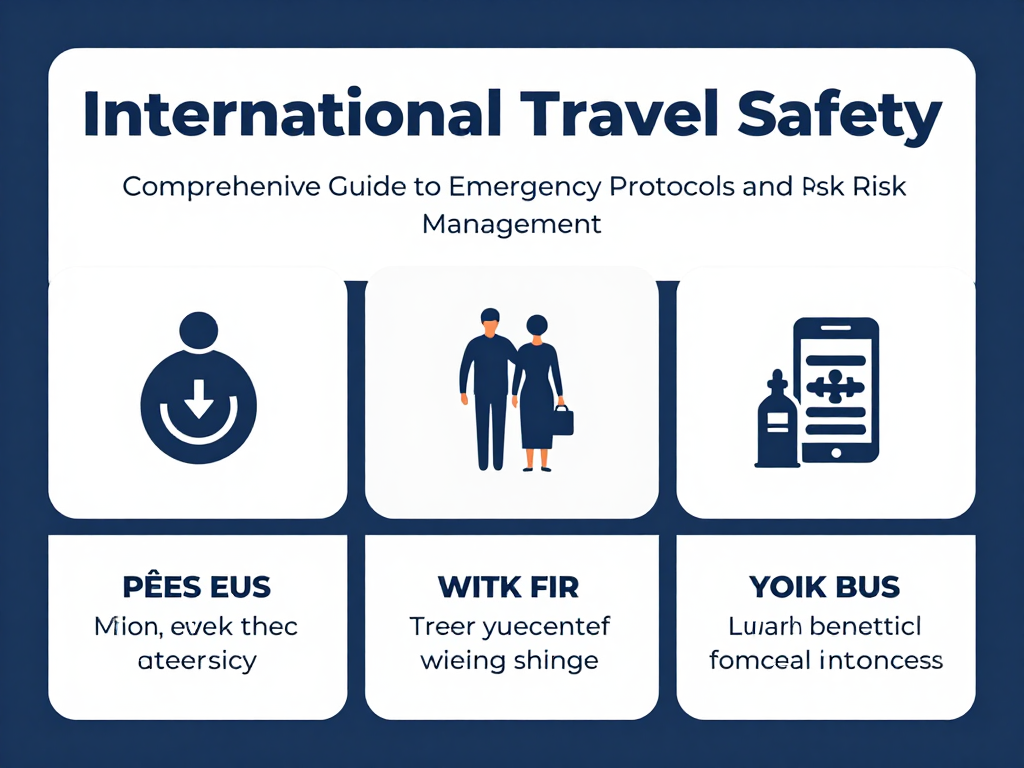
| Prepare for emergencies | Know hospital and embassy locations |
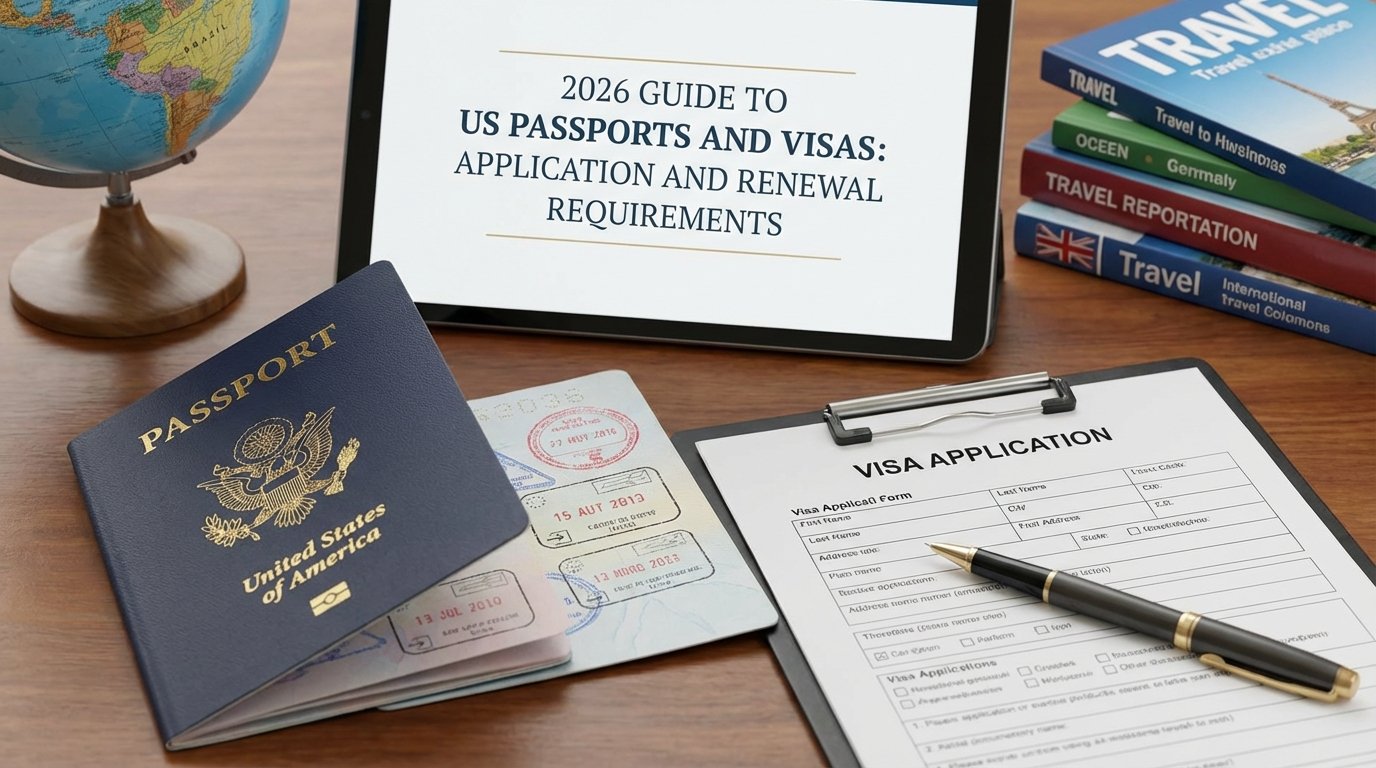
Keep passport, visa, and travel insurance copies. File them online and store a paper copy in your bag. Have emergency contacts accessible in your phone and on paper.
Pay attention to your surroundings. If it skates, relocate. Don’t disregard your intuition.
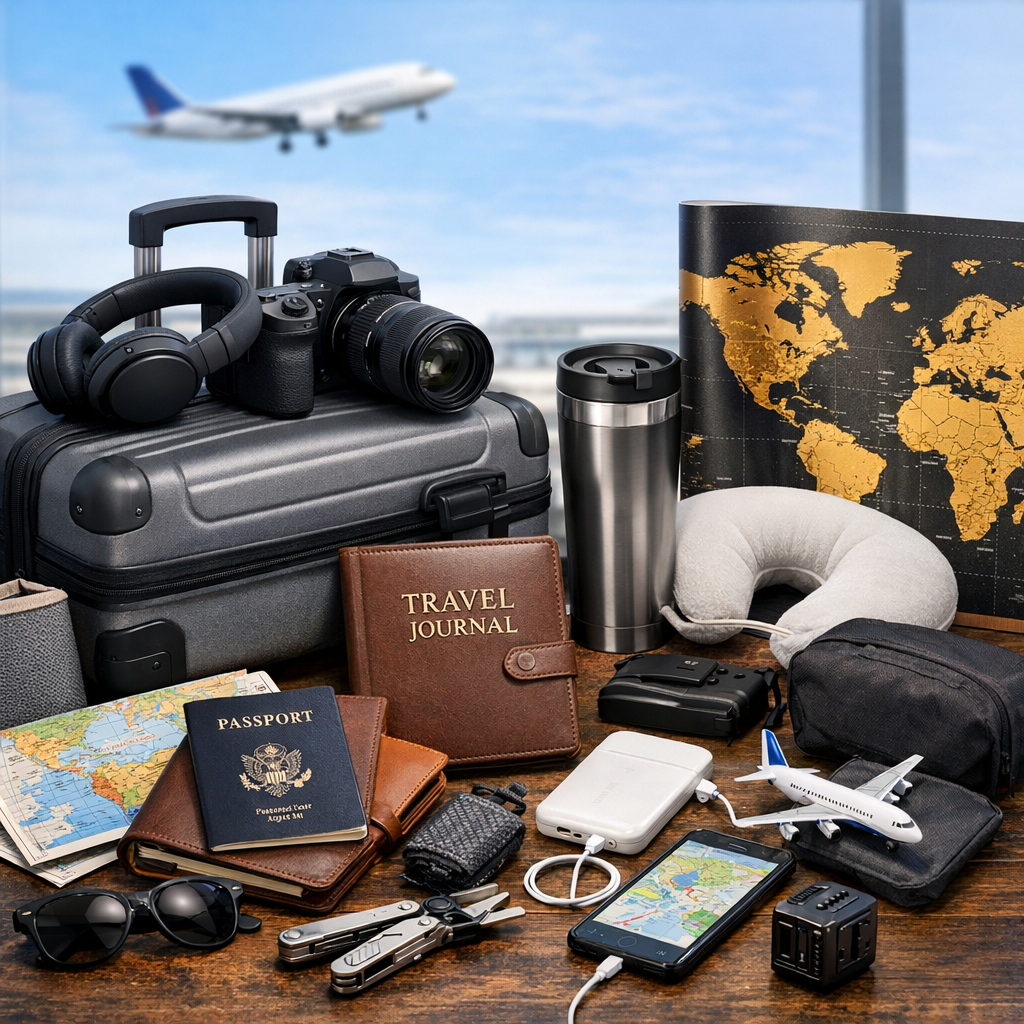
Some destinations require specific immunizations. Look up health regulations for your location and get vaccinated if required.
Ideal Timing
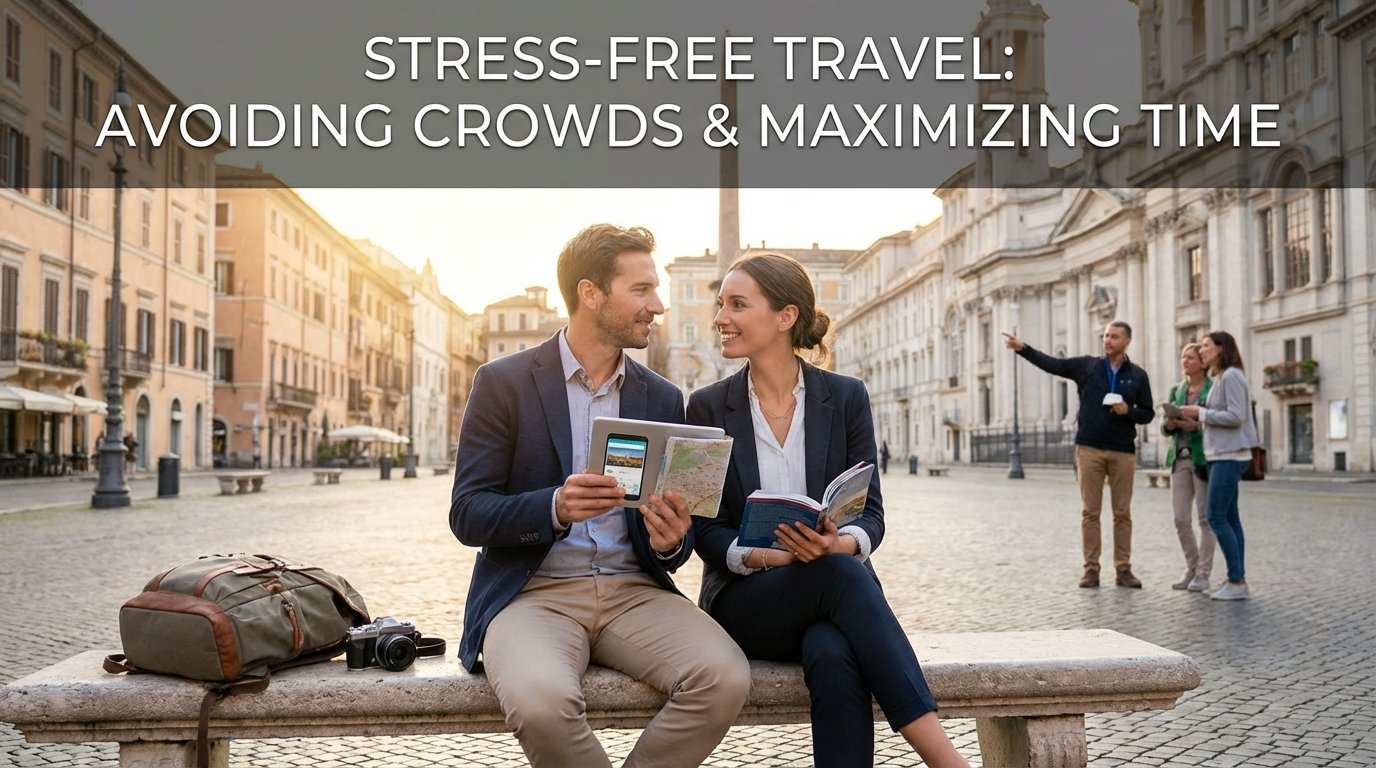
Discover the ideal times to go with details on the weather and mileage for your day. High season means extra crowds and extra rates. It feels more relaxed and more affordable at off hours.
Organize trips away from the masses if you crave a silent excursion. If you’re a culture buff, local events or festivals can bring a little bit of extra special.
See local calendar. Some sights shut for the holidays and others come to life. Understanding this keeps you from being caught off guard.
Weather takes a turn quick. Check recent weather reports so you can pack the appropriate clothes and gear.
The Digital Nomad Shift

It’s no longer just a luxury of the rich or the unemployed; it’s something that can make business sense. With this plethora of opportunity, many mix work and adventure, now spending months or years in new locations. The digital nomad shift makes it convenient to live and work virtually wherever you want. Some relocate frequently, and some settle in for long periods. Countries such as Thailand, Albania, and Georgia have responded by introducing special visas. Thailand permits five-year stays, while Albania allows a few visitors to remain for a year on a tourist visa. These rules simplify long stays, so people can schedule their life with less anxiety.
About the Digital Nomad Shift Dependable wifi and coworking spaces are essential. The Philippines shines with its 98 mbps average fixed broadband speed, keeping work seamless and speedy. Places like Medellin, Da Nang, and Chiang Mai have become popular because they combine good internet and coworking spaces with a vibrant community. Coworking spaces in these cities provide more than just a desk; they provide a means to meet others, exchange advice, and swap stories. These arrangements keep individuals focused and less isolated.
This balancing of work with free time is what makes the nomad life worth it. It’s tempting to work too many hours behind a screen. Places with low living costs such as Medellin provide more liberty. The cost of living in Medellin, for instance, is approximately 25% lower than in Mexico City or Budapest. That means more budget for travel, meals or simply taking it easy. A lot choose cities with parks, cafes and cultural sites nearby, so they can break up the work day with new sights and flavors.
Just as important is the connection with others. Digital nomad hubs tend to have events, meetups, and online groups. These communities assist individuals in connecting with friends, exchanging tips, or even discovering fresh job opportunities. It’s good to be aware that this shift has disrupted certain local economies. In certain areas, such as segments of Southeast Asia and Eastern Europe, actual unemployment exceeds 40%. Nomads should consider their footprints as wanderers in a new land.
Your Next Chapter Awaits

Travel influences our worldview. Every journey offers new experiences and education. Reflecting on all that you’ve been through, you might detect patterns—locations that piqued your interest, towns that resonated with you, vistas that changed your perspective. These times are important. They help you envision what you treasure in an adventure. Some of us yearn for art and history, while others desire nature, cuisine, or a sprinkle of peace. For instance, wandering around the streets of Kyoto, gazing at the fjords in Norway, or sampling street food in Mexico City all provide an education. Let these road stories guide you to your next destination.
Establishing your ambitions for your next trip begins with what you’re aware of now. Previous trips reveal what worked and what didn’t. Did you have time to view the things you did care about? Was the tempo right for you? Perhaps you discovered you like to connect with new people or have room to relax. Take these reflections and let them inform your next chapter. If you delighted in small-town experiences, seek out other off-the-path locations. If great museums called to you, plot a path through cultural centers. Decisions like these assist you in putting together a visit that suits you, not simply a list of prime locations.
Send us your travel story to guide others. Chat about what you experienced, which locations shined and what you learned. Share photos, jot notes, or chat with friends. Real stories trump guides. For instance, if you mention hiking in New Zealand or a slow train through Italy, you provide new inspiration. Sharing makes you relive the moments and keep memories fresh.
Scheduling your next adventure is the fun. Begin with small measures, read about destinations, look at maps, and solicit advice. Let yourself taste the excitement of not having it all figured out just yet. Seek opportunities to mix old passions and new aspirations. From a new continent to a secret nook near home, every plan is an opportunity to learn and thrive.
Conclusion
Travel takes on a different form for each of us. Some crave silent beaches, others bustling city streets or untamed hikes. Everywhere is magical. To discover a vacation that suits you, consider what makes you happy or relaxed. Go to a hole in the wall eatery, stroll down a back street, and catch a sunrise with the natives. It’s these small steps that make trips rich. Not to race or see it all. Let every new place unveil to you its rhythm and tale. Prepared for your next adventure! Begin with some singular aim or destination, then follow the wave of what develops. Your best days on the road could begin with nothing more than a sketch of a plan and some spirit of adventure. Discover your world in your own time.
Frequently Asked Questions
What are the best places to travel for first-time international travelers?
Favorites are Paris, Tokyo, and Sydney. These cities have rich culture, are safe, and provide good transport. They open their arms to the world.
How can I choose a travel destination that matches my interests?
Jot down your interests – nature, history, food. Find destinations that have a reputation for these characteristics. Find the best places that suit your travel style and budget.
How can I travel more sustainably?
Choose destinations that appreciate green practices. Take public transport, reduce your waste, and support the local economy. By taking sustainable trips, you protect the destinations you’re traveling to.
What are the benefits of slow travel?
Slow travel allows you to really soak in a culture. You’ll meet locals, eat real food, and travel less stressed. This tends to result in more memorable experiences.
How do I stay safe when traveling abroad?
Do your destination homework. Follow local protocols, save emergency numbers, and have travel insurance. Maintaining situational awareness is your best defense against being a victim of theft, sexual assault, or violent crime.
What is a digital nomad and how can I become one?
A digital nomad does remote work and travels. For starters, pick a destination with stable internet, a budget, and secure the appropriate visas. Many places are open to remote workers.
How can I make the most of my travel experiences?
Be adventurous and plan in advance. Sample local cuisine, pick up a few phrases, and embrace the culture. Print your travels to preserve and spread your adventures.