

- Key Takeaways
- Redefining Family Vacation Spots
- Planning for Every Generation
- Beyond the Tourist Trail
- Balancing Thrills with Chills
- Sustainable Family Travel
- Smart Travel Logistics
- Conclusion
- Frequently Asked Questions
- What makes a destination great for a family vacation?
- How can I plan a family trip that includes all generations?
- What are some less crowded family vacation spots?
- How do I balance adventure and relaxation on a family trip?
- Why is sustainable travel important for families?
- What travel logistics should families consider?
- How can families save money while traveling?
Key Takeaways
- A family vacation spot can be anything from an adventure to a cultural experience or even just a nice, relaxing retreat. There are so many wonderful places that cater to all ages and provide something interesting to learn along the way!
- By planning for accessibility and comfort, toddlers, teens, mom, dad, grandma, and grandpa can all have a great time with accommodations and activities that suit each generation.
- Travel smarter: Go beyond tourist sites. Look for local insider advice and hidden gems that will offer your family a unique experience and help you avoid the crowds!
- Striking a balance between heart-pumping expeditions and downtime allows your entire family to stay energized and savor your vacation bonding moments!
- Eco-conscious decisions in your travels, like patronizing local businesses and selecting green modes of transportation and lodging, positively impact the environment and communities.
- Thoughtful budgeting, efficient packing and an open strategic schedule are the secrets to a hassle-free family vacation where both structure and spontaneity coexist harmoniously.
By family vacation spots, I mean places that cater to both kids and adults, providing all of you with activities to do and sites to see. Whether it’s theme parks, nature parks, beach towns, or cities with family friendly sites. We like our family spots to have play areas, convenient food options, and napping locations. Safe, fun, and providing value is what matters most to many families when they choose where to go. Our favorites include city parks, museums, and open nature trails. Most families choose locations that either have a short travel time or convenient transportation. The key to picking the right spot is understanding what your family enjoys, such as nature walks, rides, or perhaps beach time. The following sections provide tips and lists to assist you in organizing your upcoming family getaway.
Redefining Family Vacation Spots
Family vacation spots to something other than the typical beach or resort. We know that most families want a combination of adventure, culture, learning and downtime with activities that accommodate various ages and needs. Some families seek out the off-season to dodge crowds and benefit from discounted rates, while others schedule one-on-one trips with each child for a more intimate experience. Such trends inform the way families select vacation spots, prioritizing accessibility and unique attractions more than ever.
1. Adventure Hubs
National parks such as Yellowstone and Kruger have redefined family vacation spots by providing family-friendly hiking trails with guides, wildlife viewing and safe camping.
Embracing family vacation staples in a new way, warm destinations like Fort Myers offer families 365 days of water sports to enjoy together, from kayaking to snorkeling in calm kid-friendly shallow waters.
Adventure parks allow families to get their adrenaline fix with zip-lining, rock climbing, and rope courses. Instructors are trained to work with children and novices.
Guided tours deep in the Amazon Rainforest offer boat rides, jungle hikes and opportunities to discover unfamiliar ecosystems. Many tours provide special gear and itineraries for children.

2. Cultural Immersions
Museums across the globe now offer hands-on exhibits, such as the Children’s Museum of San Diego, turning education into an enjoyable experience.
Cultural festivals, popular throughout cities like Barcelona and Tokyo, have families participating in music, crafts, and parades frequently during off-season months.
There are castles and ancient towns with hands-on tours featuring costumed guides and things to excite kids.
Cooking classes, from Tuscany to Thailand, have families sample local cuisine together. Menus are often modified for small palates.

3. Relaxation Retreats
Grown-up beach resorts with kids’ clubs, baby pools, and family suites let mom and dad unwind while little ones run wild in a secure environment. Some mountain lodges even offer light wellness programs for every age. Think getaway family spas with massages for mom and dad and kid-friendly treatments. In Door County, families can picnic in quiet parks, surrounded by nature and each other.
4. Educational Explorations
Science centers with hands-on labs, zoos with learning programs, and aquarium sleepovers are destinations for year-round visits. Nature walks in the spring or fall are always guided, with local history and ecology lessons along the way. Our family vacations have been redefined by historical landmarks, from ancient ruins to living museums, injecting meaning into our trips and igniting new passions.
5. Urban Playgrounds
Places such as San Diego mix immense parks and amusement centers with family-friendly theaters. With public transport, it’s simple for families to explore beyond the resorts, and indoor attractions such as arcades keep the kids amused in any weather. Universal Orlando’s theme parks bring books and movies to life.
Planning for Every Generation

Family getaways are most successful when they satisfy everyone, from the little ones to grandparents. Every age has different needs, so a flexible plan with a variety of activities is essential. Multi-generational trips are about celebrating milestones, discovering new cultures, and creating memories together. Locating that one spot that caters to them all isn’t always easy.
Toddler Needs
Safe play spaces count. Most places have parks, splash pads, or indoor play centers. These spots keep young ones busy. Select destinations that are accessible and do not require extensive travel. Brief excursions reduce stress and keep toddlers well rested.
Packing the appropriate equipment goes a long way. Strollers, snacks, and spare clothes are necessities. Some families select hotels that provide cribs, high chairs, or childproofed rooms. This makes us all feel at ease. Select hotels or rentals close to the attractions so you aren’t wasting your entire day in transit.
Some days, schedule some quiet time. Little kids wear out quickly. Plan brief respites and maintain habits such as naps or early bedtimes. This prevents meltdowns and keeps the crew on course.
Teen Interests
- Adventure parks and ziplining
- Music festivals and outdoor concerts
- Guided city tours on bikes or scooters
- Outdoor sports like kayaking, hiking, or surfing
- Art workshops and cooking classes
- Amusement parks with thrill rides
Teens usually love to meet people. Resorts or cruises with youth clubs have these social events. Schedule some free time for teens to relax or adventure independently, whether that’s lounging at the pool or ducking into local boutiques. In certain cities, older teens could experience secure and energetic nightlife, such as live music events, movie screenings, or themed coffeehouses.
Grandparent Comfort
Choose locations that have paved trails, ramps and easy access. Museums, gardens and scenic boat rides are fine for those who want to come along but without a lot of walking. Plan for group and solo time. Reserve rooms or suites with beds that are accessible in and out of supportive seating and lifts if required.
Family mealtimes unite us all. Select restaurants with varied menus, so it’s simple to locate options for every diet and age. Memorable experiences, whether it’s a cooking class, a city tour, or a local festival, create the moments that bond us.
Beyond the Tourist Trail
Not all family vacations involve crowds or lines. A lot of places remain off the beaten path, and they lend authenticity and deeper impressions. Hidden gems, when carefully selected, tend to be less hectic yet just as beautiful as favorite haunts. These destinations allow families to take it easy and explore a location at their own pace.
Local Secrets
Local events — think small fairs or food festivals — can reveal the side of a place most travelers miss. Too many towns and cities post their event calendars online, and these are convenient to check prior to your trip. Touring a market allows you to sample some of the local foods and experience some of the crafts that are representative of the area’s heritage. A few markets even provide cooking classes or tastings for the family. If you pause to chat with vendors or shopkeepers, you might receive pointers about tranquil parks, playgrounds, or hikes. Venturing off main roads into neighborhoods, you come across wall art, small cafés, or family-run shops that display what everyday life is actually like.
Spontaneous Trips
An open itinerary allows you to snatch up last-minute offers or heed local recommendations, such as hopping into a freshly discovered happening. Choose locations that are quick to get to so you spend more time discovering and less time driving. Short trips work well with kids as they require less excessive packing and planning. Chat as a family to choose adventures on the fly; perhaps you sample a new treat, jump in a tuk-tuk, or score a last-minute train ride. It’s these unpredictable moments that often make the best stories from your journey.
Authentic Stays
Vacation rentals are like home and provide families additional room to chill. Mom-and-pop inns or boutique hotels provide advice, home cooking and a human touch you’ll never find at mega-chains. Green spots, such as solar-powered cabins or recycling lodges, promote sustainable tourism and instill values of environmental stewardship in children. Homestays can be eye-opening, allowing families to share meals and tales with locals, as you might in an Indian village or on a Faroe Islands farm. The experience of staying in these places brings you closer to the real culture and people.
Balancing Thrills with Chills


Striking the right balance of thrills with chills is crucial for a family vacation. Everyone’s needs and wishes are important, so it’s useful to arrange a schedule that accommodates both thrills and chills. That way, every family member can have a good time on the trip without anyone needing to rush through or miss out.
High-Energy Days
Schedule action filled days for your movers and shakers. Theme parks with thrill rides, including out-of-control robotic-arm rides that flip and turn travelers more than 30 meters in the air, are a hit with kids and adults alike. Seek out adventure zones or sports activities, ranging from ropes courses to family soccer games. Certain resorts load up the itinerary with heated pools, foosball, or life-size Jenga. These can keep the energy light and everyone involved.
Attempt to incorporate group-type activities that allow for some healthy competition. Family scavenger hunts, relay races, or even mining for gems are a combination of fun and bonding. Active afternoons unwind with dinner at a vibrant restaurant or food hall, where live music or interactive games increase the energy. Action-packed hikes, like the Mist Trail near Vernal Falls, strike the balance of thrill and chill, offering not only a challenge but the opportunity to commune with nature and appeal to a range of ages.
Downtime Ideas
Be sure to schedule slow moments because they refresh us all. Quiet time could be reading, drawing, or journaling in a shady nook. A family movie marathon or board games in the evening can unite everyone with little effort. Remote cabins provide room to decompress following an action-packed day. A peaceful dinner in one can be the ideal capstone.
Sometimes a stroll in a local park or some time at a toddler splash pad provides young kids a break from exhilaration. Arts and crafts are a perfect mix of fun and fright in that they let you express yourself without going overboard on the racket. These breaks stave off burnout and keep the next big adventure feeling fresh.
Sustainable Family Travel
Sustainable family travel provides families an opportunity to experience the world while contributing to the conservation of destinations for generations to come. It is more than choosing an eco-friendly hotel or avoiding single-use plastics. It’s about reimagining every aspect of the journey, from transportation for families to accommodations, activities, and engagement with the local community. Kids get hands-on education in environmental stewardship, cultural tolerance, and historical awareness. This can reduce the trip’s environmental footprint and benefit local economies.
Eco-Conscious Choices
- Choose locations that have green certifications or are conservation minded.
- Opt for hotels that utilize solar power, recycle water, or reduce single-use plastics.
- Bring reusable bottles, containers, and bags to reduce trash.
- Schedule adventures such as wildlife watching, hikes, or nature reserves that foster respect for nature.
- Enlist in river clean-ups or tree planting, which many places offer for families.
- Purchase green travel goods like bamboo utensils and reusable snack bags.
- Use these decisions to educate children on the importance of these choices and connect their actions to actual significance.
A few provide farm tours or farm-to-table dining experiences where families can discover sustainable farming. These experiences connect kids to food and emphasize sustainable farming.
Community Impact
While traveling, families can leave a positive imprint by participating in community service projects or environmental work. Whether volunteering for local green infrastructure projects or helping at a beach clean-up, children get to participate in tangible change. Shopping at markets, local artisans, and small restaurants supports the local economy and exposes families to new cultures and flavors.
Cultural exchanges, such as local festivals or workshops, can enable families to develop a stronger appreciation of the host community. It’s valuable to discuss with kids the impact of tourism on people and places. This makes them recognize their part in conscientious touring and why backing locality is important.
Ecological lodges or guesthouses that use natural materials or sustainable building methods are another way to support the community. Such destinations tend to have experiences on offer that are educational, whether it’s about the surrounding nature or local culture, adding greater depth to your visit.
| Transportation | Eco-impact | Example Cost (USD) |
|---|---|---|
| Train | Low emissions | $50–$150 |
| Bus | Moderate, depends on type | $20–$80 |
| Carpool | Lower per person | $30–$90 |
| Airplane | High emissions | $150–$600+ |
| Bicycle | Zero emissions | Often free–$20 |
Smart Travel Logistics

Smart travel logistics can save families money, time, and stress, and help them make the most of their vacation. Master the basics: budget, packing, and trip pacing to spend less time worrying and more time together. Expenses can accumulate quickly, so being smart about your travel schedule is necessary.
| Expense Category | Examples | Tips for Savings |
|---|---|---|
| Transportation | flights, trains, buses, rental cars | Book early, compare routes, check group rates |
| Accommodation | hotels, apartments, hostels, vacation rentals | Look for family deals, use rewards programs |
| Food | restaurants, groceries, snacks | Shop local markets, try self-catering options |
| Activities | museums, parks, tours, attractions | Seek free or discounted entry, book online |
| Miscellaneous | souvenirs, emergency supplies, local transport | Set a daily limit, track spending |
Budgeting
Begin with a checklist to capture significant expenses: transportation, accommodation, food, insurance, and incidental expenses. Don’t forget small things, like snacks or additional equipment. Families can seek out free or cheap things to do, like city parks, public beaches, or local festivals. Certain national parks provide free admission to children. Monitor costs daily so you’re not surprised. Many attractions and hotels provide group discounts or family packages, so check before you book. Traveling during school breaks or off-peak times can translate to cheaper rates and fewer people.
Packing
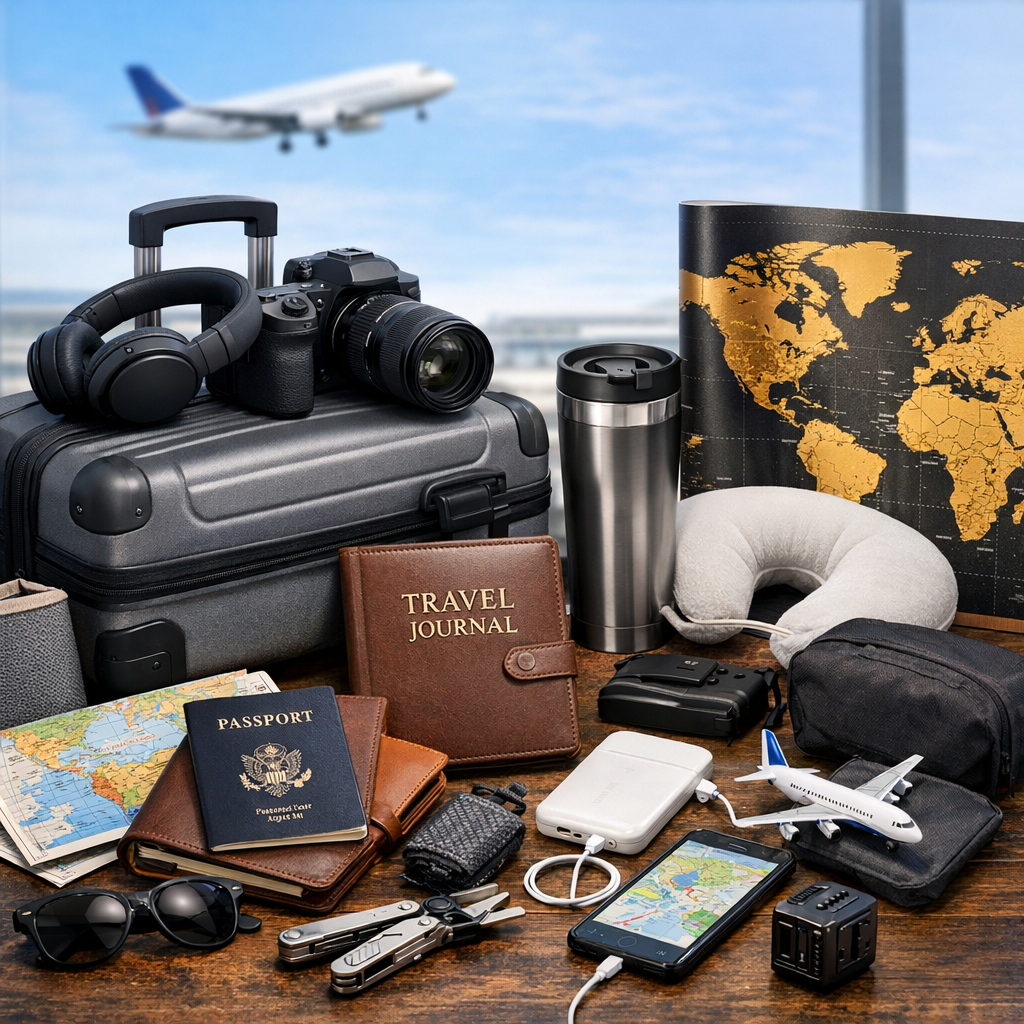
Create a checklist for must-haves: travel documents, medications, kid comfort items. Be smart about your travel logistics. Pack layers and clothing that can work for varying weather or activities. Don’t overpack. Pack books, games, or coloring pads for the kids on long rides. Stash items like snacks or a change of clothes in accessible locations if you’re traveling with toddlers. Giving kids little tasks like carrying their own backpack keeps them occupied and helps teach responsibility.
Pacing
Organize a loose itinerary. Don’t try to pack too many stops in a day. Plan frequent breaks to rest or snack. This keeps everyone’s energy up. Communicate with one another regarding what is or isn’t working so you can tweak plans as necessary. Blend hectic days with slower ones. Combine a museum visit with relaxed time at a local park. Go places with minimal jet lag, such as those in your time zone, to make it easier on everyone.
Conclusion
Family vacations can cater to all preferences and ages. Whether big cities, wild parks, or quiet beaches, all present genuine fun. Children discover spots to hike and educate. Adults have destinations to relax or explore. Choosing eco-friendly travel options makes the world a prettier place for future journeys. Intelligent scheduling reduces tension and allows families additional moments to giggle and connect. From quaint towns to rugged terrains, every destination adds its special flavor. Even minor changes to plans can leave a big impression. To get your next family vacation off to a great start, check out local tips, explore new destinations, and share what works for you and your crew. A great trip lives on in tales and pictures, waiting for the next family night.
Frequently Asked Questions
What makes a destination great for a family vacation?
About: best family vacation spots Seek out locations that feature open air, cultural sites, and convenient access to necessary amenities.
How can I plan a family trip that includes all generations?
Pick destinations that are a good mix of activities, such as museums, parks, and mild outdoor adventures. Ensure lodgings are convenient and provide areas for the entire family to unwind.
What are some less crowded family vacation spots?
Think about national parks, small coastal towns, or countryside villages. They offer extraordinary experiences, less crowded environments, and an opportunity to immerse yourself in the local way of life.
How do I balance adventure and relaxation on a family trip?
Construct an open itinerary. Mix active days of hiking or watersports with relaxing days on the beach, by the pool, or in the spa to keep everyone happy.
Why is sustainable travel important for families?
Sustainable travel preserves natural and cultural assets for generations to come. It educates kids on the worth of looking after the earth as they have an unforgettable time.
What travel logistics should families consider?
Think direct flights, kid-approved hotels and proximity to medical care. Last but not least, pack the must-have items and review travel rules.
How can families save money while traveling?
Travel off-season, early book housing and find family deals. Think self-catering and public transport to bring the price down.